UW–Madison ranked 7th among all American research universities
The university spent a record $1.95 billion in research expenditures to place among the top 10 in national research rankings.
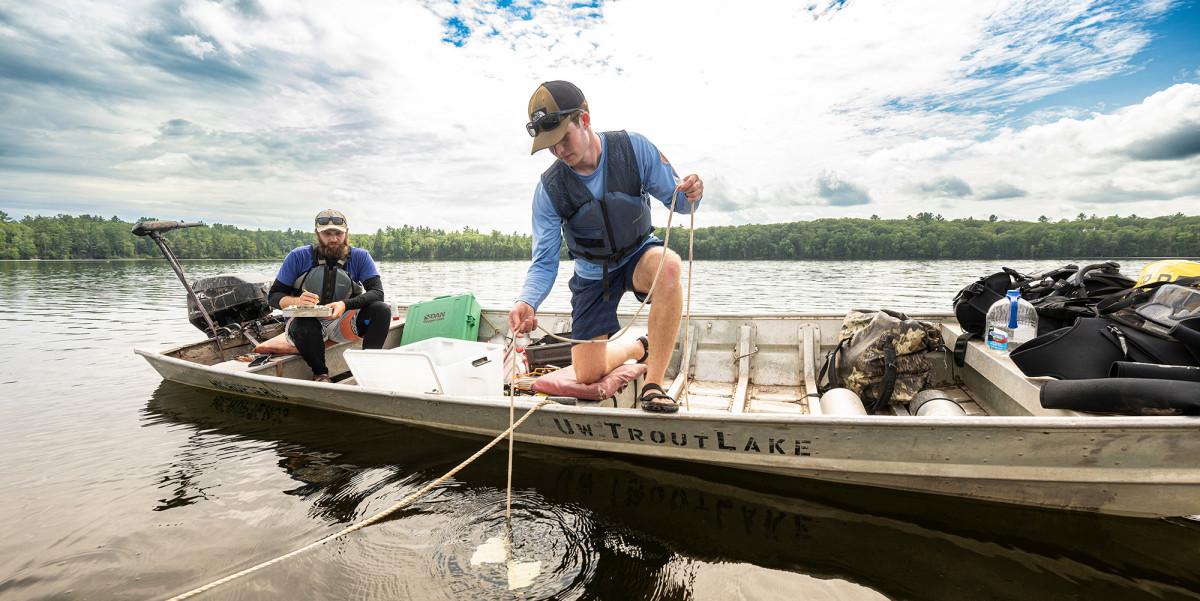
The University of Wisconsin–Madison spent a record $1.95 billion on research in federal fiscal year 2025, placing 7th among American research universities according to the National Science Foundation’s Higher Education Research and Development (HERD) Survey, released today.
The annual rankings provide a relative measure of the university’s research productivity. Changes in position in any given year are typical as institutions experience shifts in their overall portfolio of funding sources. UW–Madison has consistently held positions in the top 10, from 5th through 8th, over the past decade reinforcing the university’s standing as one of the nation’s leading research institutions.
This year, the agency assessed the annual research expenditures of 933 universities in the U.S. from July 1, 2024 to June 30, 2025.
“Our rankings are a measure of our resilience to some of the forces that have dramatically changed the research funding landscape over the past two years. They are also a profound measure of our commitment to the Wisconsin Idea,” says interim Chancellor Eric M. Wilcots. “Whether designing better helmets for youth athletes or training artificial intelligence to help protect communities from wildfires, we know that UW–Madison research improves lives, strengthens our state and helps make our nation more prosperous.”
Changes in the federal funding landscape
UW–Madison’s overall research expenditures increased $13 million over the previous fiscal year, when the university achieved its highest ranking in more than a decade, coming in at 5th in the nation. Federal funding made up 47% of all of the money UW–Madison spent on research in the most recent ranking period.
This year’s survey period includes a portion of 2025 when federal agencies were delaying research proposal reviews and grant awards, terminating funding for projects already awarded and looking to fundamentally change the American research funding model.
In the early part of 2025, 145 grants awarded to UW–Madison researchers were subject to termination and stop-work orders. About one-third of these grants were later reinstated due to successful appeal or litigation. The university, in this period of uncertainty, also slowed down spending on federal awards.
Our rankings are a measure of our resilience to some of the forces that have dramatically changed the research funding landscape over the past two years. They are also a profound measure of our commitment to the Wisconsin Idea.
For example, in Feb. 2025, the federal government prematurely terminated 19 projects in the Wisconsin Retirement and Disability Research Consortium that had been funded by the Social Security Administration. These studies focused on the most at-risk populations who rely on Social Security Administration programs, especially children and older adults in poverty and people with disabilities.
“A top 10 ranking reflects the creativity, dedication and excellence of our faculty, staff and student researchers, but the true value of research isn’t measured by grant dollars. It’s measured by the discoveries, technologies, healthier communities and economic opportunities that those investments create,” says Vice Chancellor for Research Dorota Brzezinska. “Ongoing uncertainty and funding disruptions continue to affect research and our ability to plan for the future. We must protect a research enterprise that has driven American innovation for generations, trained our workforce, and produced benefits for Wisconsin and the broader world.”
This is among the reasons that Brzezinska, who began her tenure at UW–Madison in Sept. 2024, has engaged in efforts to better support the university’s research enterprise. This includes taking steps to diversify the university’s funding portfolio to increase the volume and variety of funding sources, to make it easier for private industry to engage with UW–Madison researchers, and to update the university’s research and sponsored programs office.
Additionally, the Office of the Vice Chancellor for Research is also launching a new research development office to strengthen resources and support across the university, and in particular, to increase the university’s ability to compete for large, interdisciplinary funding opportunities.
For the fiscal year covered by the survey, the university saw increases in spending from the Department of Defense, the Department of Energy and the U.S. Department of Agriculture. Expenditures decreased from agencies such as NASA, the U.S. Department of Health and Human Services (which includes the National Institutes of Health) and NSF.
Diversifying UW–Madison’s research funding portfolio
At the same time, UW–Madison saw a nine percent increase, to $50.2 million, in industry-sponsored research activity.
“UW–Madison is working to build a research portfolio that is more diversified, interdisciplinary, secure and resilient so the university continues to thrive despite uncertainty in the overall funding landscape,” says Brzezinska..
This includes attracting top talent, addressing national research priorities and translating discovery into societal benefit, from brain health to quantum science, fusion energy and dual use national security research. It also means ensuring the strength of the university’s commitment to the arts, humanities and social sciences.
Additionally, the two most significant non-profit contributors of research funding at UW–Madison continue to be the Wisconsin Foundation and Alumni Association and the Wisconsin Alumni Research Foundation. The university also receives important research support from state and local government agencies, as well as philanthropic organizations.
Research that changes lives
Research at UW–Madison touches nearly every aspect of daily life, from improving public health and treating disease to developing new technologies and expanding scientific knowledge.
Below are several examples of projects covered by NSF’s survey period:
Life experiences linked to Alzheimer’s disease
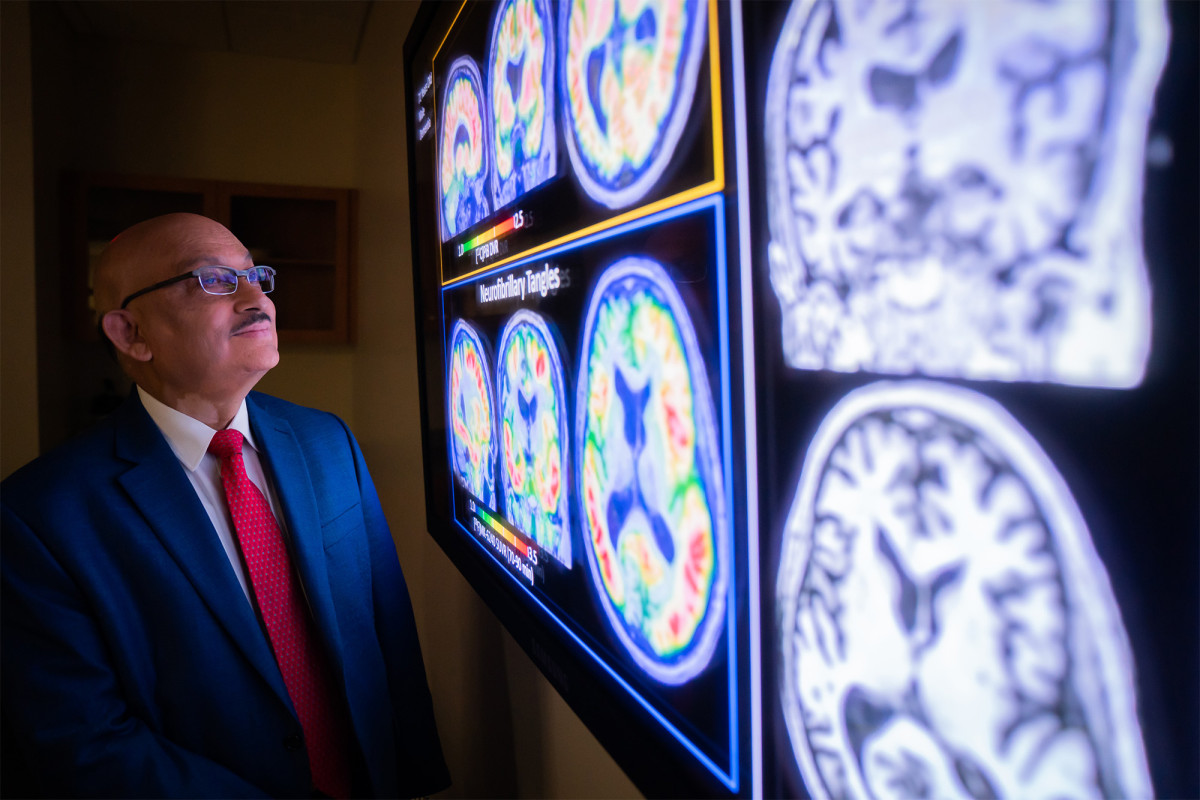
Researchers at the UW School of Medicine and Public Health, in collaboration with colleagues across campus, are studying how experiences throughout a person’s life influence their risk of developing Alzheimer’s disease. As part of the Wisconsin Longitudinal Study, which follows older adults over time to better understand how to protect cognitive health as people age, the team is specifically studying how education, tobacco use, weight and other early life circumstances affect the risk of Alzheimer’s disease. The research is funded by the National Institutes of Health.
Using gene editing to treat and prevent blindness
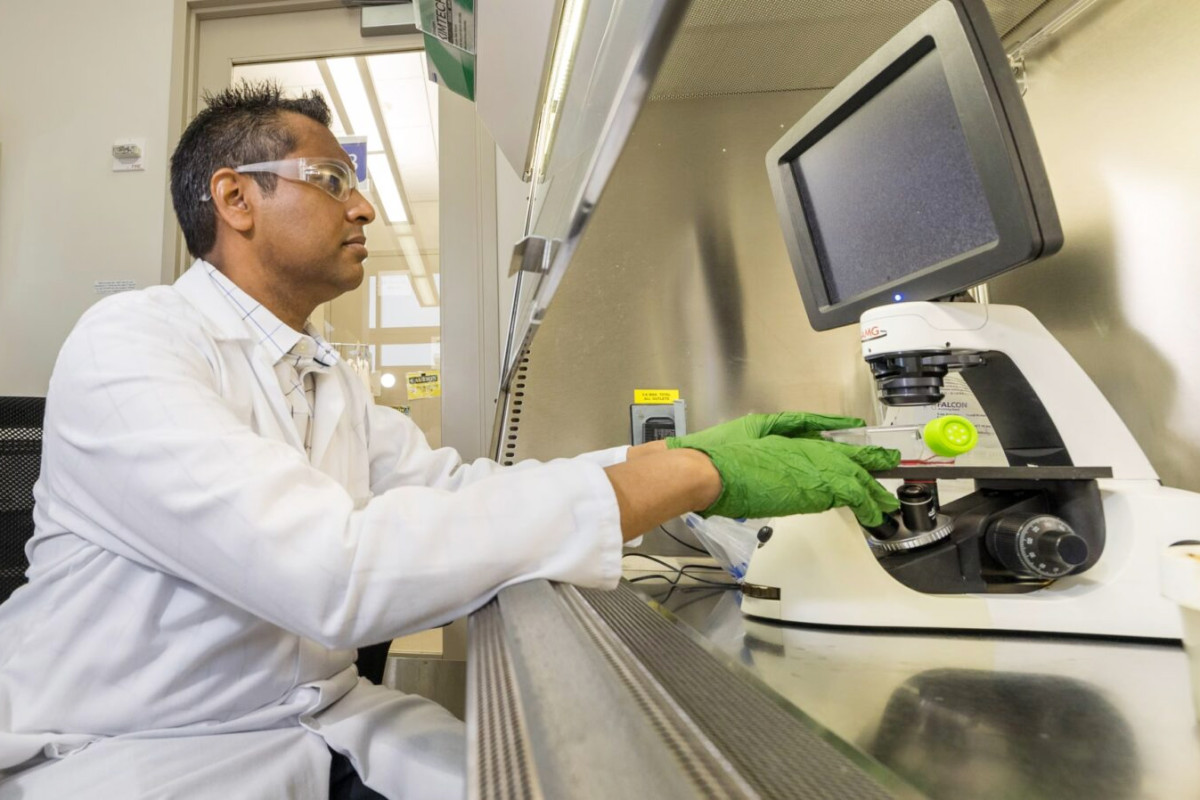
UW–Madison researchers are exploring a promising treatment for currently incurable, inherited eye diseases using a gene-editing technology called CRISPR, and helping chart a course for clinical testing. They hope the work could eventually lead to drugs or other therapies that prevent blindness for people with certain genetic conditions. The research is funded by the NIH.
Promoting mental well-being

Scientists at UW–Madison — with funding support from the Department of Defense, Defense Advanced Research Projects Agency — are studying whether combining meditation with noninvasive brain stimulation can improve peoples’ ability to multitask and adapt to change. Ultimately, their goal is to help increase well-being and reduce the risk of suicide among people most vulnerable.
Treating childhood asthma

UW–Madison researchers are, with funding from Regeneron Pharmaceuticals and NIH, studying ways to better prevent and treat childhood and adolescent asthma, particularly those who live in higher-risk environments. The researchers hope to develop personalized and targeted treatments for children to treat and prevent asthma attacks.
Upgrading Nobel-worthy science
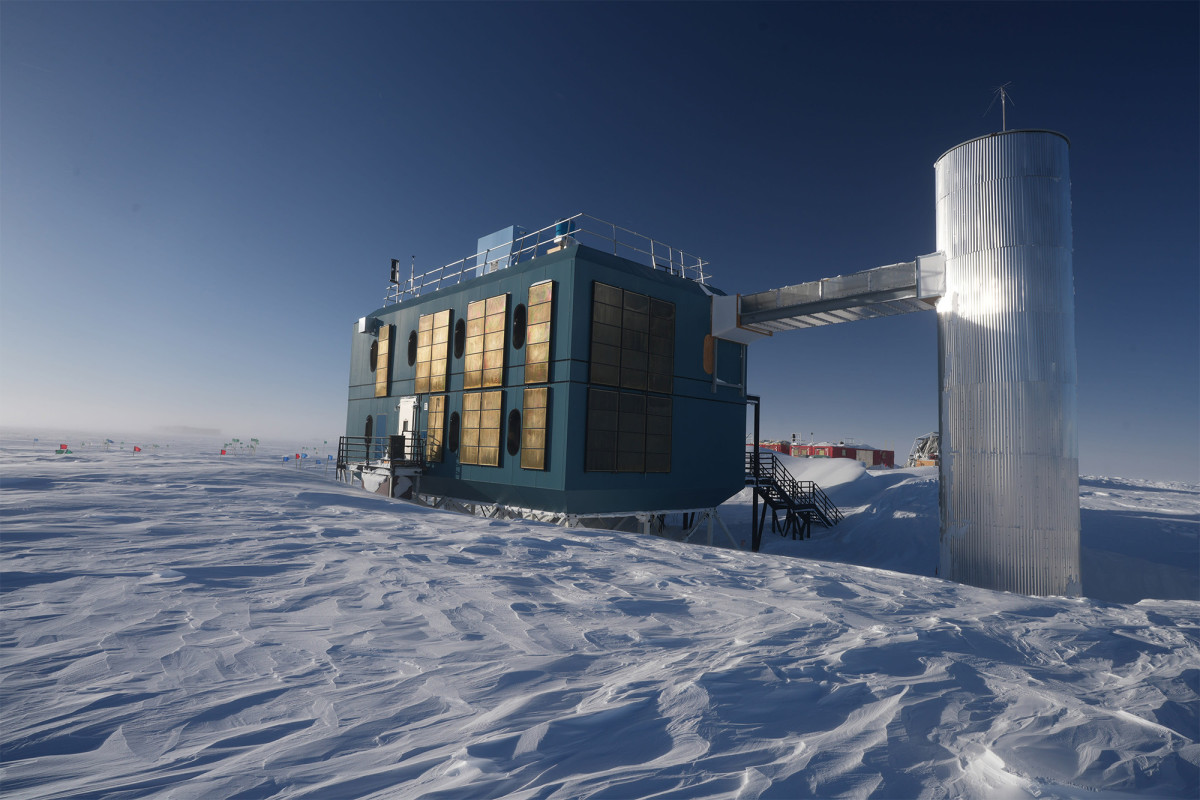
Though Francis Halzen, recipient of the 2026 Nobel Prize in physics, came up with the idea to build an observatory embedded in a cubic kilometer of Antarctic ice decades ago, supporting the ongoing science and its discoveries has been a continuous endeavor. During the fiscal year in which expenditures were measured for this year’s HERD survey, the NSF IceCube Neutrino Observatory received important upgrades to help researchers continue exploring some of the deepest mysteries of the universe.
“The IceCube project stands as a defining example of what makes research at UW–Madison so inspiring: bold ideas, interdisciplinary collaboration, persistence in the face of enormous challenges and a commitment to expanding the boundaries of human knowledge,” says Brzezinska. “But it also underscores the reality that research is a long-term national investment, not a stop-and-go enterprise, and instability has lasting consequences for innovation, students, our state and our nation.”
More about HERD
The annual survey is the primary source of research expenditure data at American universities and colleges, yet it is just one way to measure academic research activity. Each year, by conducting the HERD survey, NSF collects information on expenditures by research field and funding sources among institutions that spend at least $150,000 on separately budgeted research and development in a fiscal year. The survey also compiles information on the types of research expenses and the number of research and development personnel at each institution.