FGLI Services makes the invisible, visible — and accessible — for first generation and limited income students
The new office aims to connect UW–Madison students with mentorship opportunities, important resources and each other.
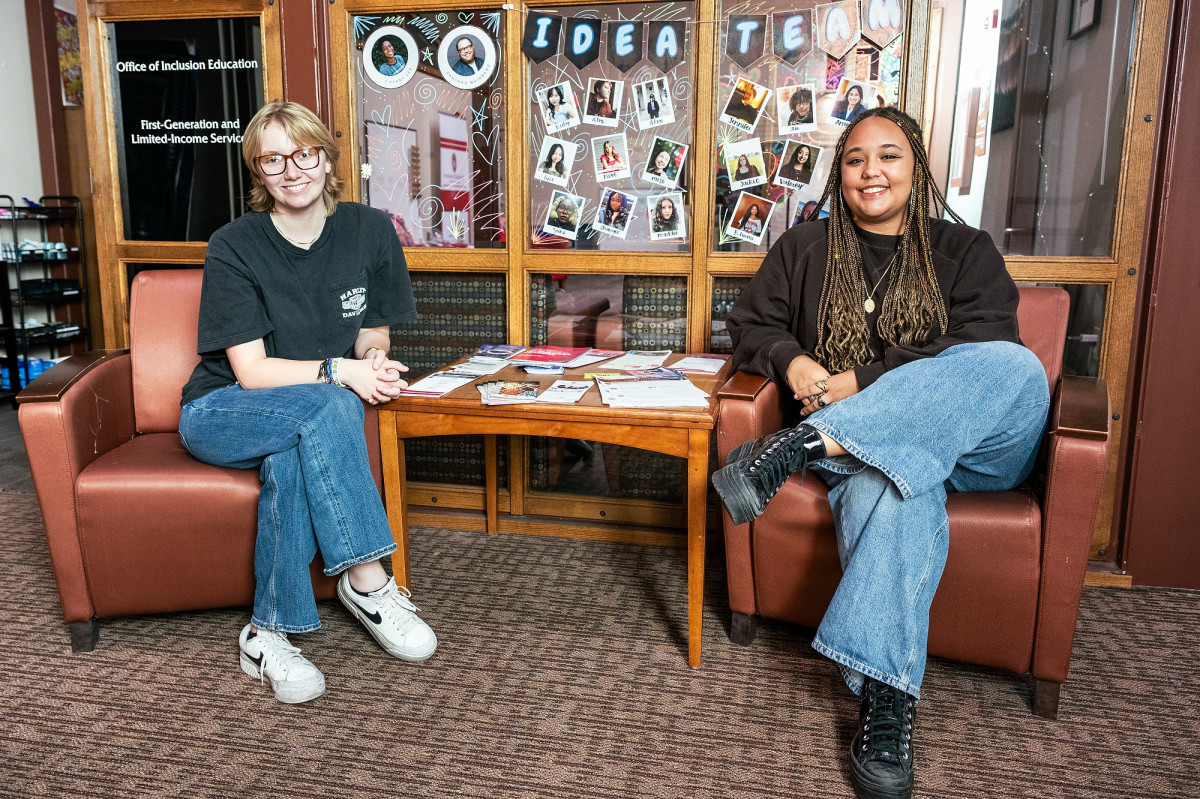
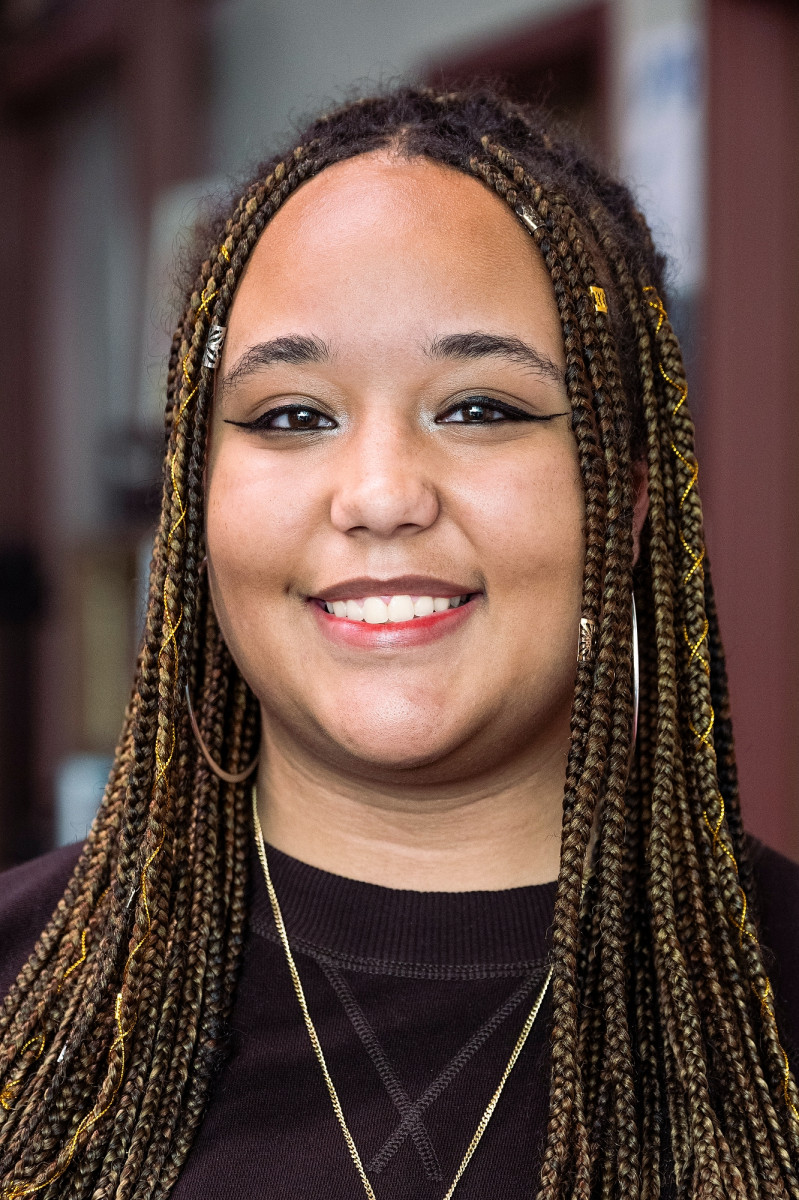
Talya Trim learned to be independent from a young age. Born to a teen mom, she started working when she was 14, applied to UW–Madison without ever stepping foot on campus, and traveled nearly 1,500 miles to participate in SOAR, all by herself.
None of that intimidated Trim, a social work major from Sandy, Utah. But the possibility that she might overlook something important during her first semester of college, did.
“I wasn’t really scared about being on my own, but I was scared that I was missing something all the time,” she said.
For Trim, not knowing how college worked also meant not knowing what it might cost.
“I was so scared that I was somehow going to find myself in debt because I didn’t understand something,” she said.
That uncertainty also resonates with Nia Bigby, an educational policy studies major and aspiring high school math teacher from Hales Corners, Wisconsin.
Only two months into her first semester at UW–Madison, she wanted to change her major. Unable to draw on her parents’ college experience for reassurance, Bigby worried that wasn’t something she could do, and if she did, that she’d be letting someone down.
“I just felt like I’d already got one step wrong,” she said.
As first-generation students, Trim and Bigby were learning to navigate the university’s “hidden curriculum” as they went along. Now, they’re helping to guide new students with similar backgrounds through UW–Madison’s new First-Generation & Limited-Income (FGLI) Services peer mentorship program, Legacy Leaders.

The hidden curriculum
For many first-generation and limited-income students, scholarships and financial aid make higher education attainable. But even with financial assistance, navigating college can still prove difficult.
Coined by education scholar Philip W. Jackson in the late 1960s, the term “hidden curriculum” describes college’s unwritten rules and expectations — from syllabi and office hours to how to find support and community — that students with college-educated family members often arrive on campus better prepared to understand.
FGLI Services aims to demystify those aspects of the college experience, connecting students with community, mentorship opportunities, and campus resources so they can take full advantage of a UW–Madison education.
The office launched in the fall during Wisconsin Welcome, an annual multi-week event that welcomes new students to campus. In early November they celebrated even more milestones during First Gen Week, including a newly-appointed director — Takondwa Mwasi — at the helm and a brand-new physical space in the Red Gym. It is designed to serve as a home base for students and a starting point for them to access the opportunities and support available across campus.
The office’s job, according to Mwasi, is to make those connections easier. “Students are not here to understand an org chart,” Mwasi said. “We might not necessarily be the office that administers financial aid or provides academic advising, for example, but we can help make those connections for students.”
Convening campus
UW–Madison has long supported first-generation and limited-income Badgers, from early academic support programs such as the Five-Year and Academic Advancement programs in the 1960s, to federal TRIO initiatives and the Pre-College Enrichment Opportunity Program for Learning Excellence (PEOPLE) in the 1990s.
Mwasi describes FGLI Services as a “convener,” bringing together people and resources across campus to make them easier for students to both find and access, whether or not students participate in — or qualify for — another existing cohort program on campus.
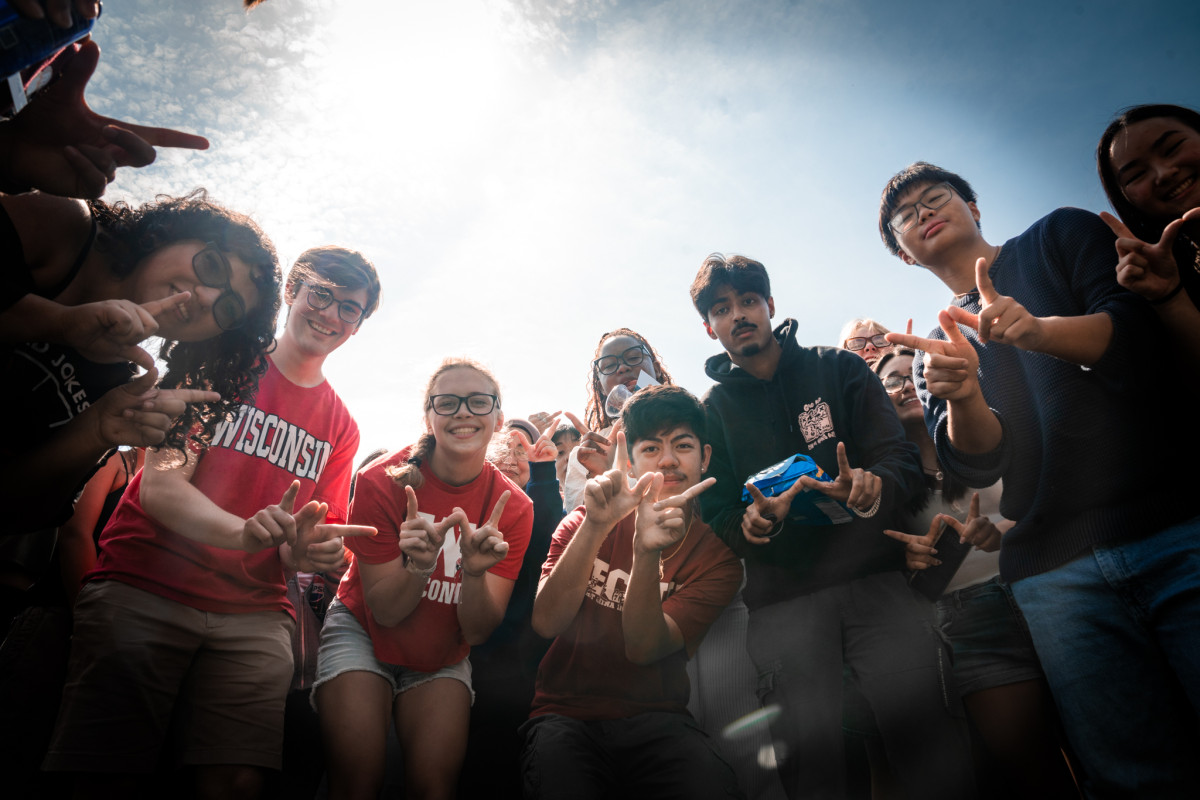
These students represent a consequential part of the university community. This fall, UW–Madison welcomed 1,322 first-generation students, roughly 15% of first year undergraduates. Additionally, 1,649 first-year undergraduate students were Pell Grant recipients (19.2% of the incoming undergraduate class), which is one indicator of financial need.
Students can also visit FGLI Services to build relationships and discover a whole calendar full of social events and opportunities. The office believes connecting students during Wisconsin Welcome and throughout the academic year is a key factor of their success at UW–Madison.
“We can be doing really well at UW and still have questions, still want community, still be looking for opportunities,” Mwasi said.
We wish we’d had this
Mwasi emphasized that first-generation and limited income are distinct identifiers.
The terms “aren’t interchangeable,” according to Mwasi. “Some students identify with both, while others with one or the other.”
Neither designation tells the office exactly what an individual student will need. Staff and volunteers work to understand students’ experiences and help them connect with the opportunities and services available to them at UW–Madison, in order to smooth their transition to college.
One way is through FGLI Services’ Legacy Leaders Mentor Program. Its inaugural cohort includes 18 mentors and 29 mentees.
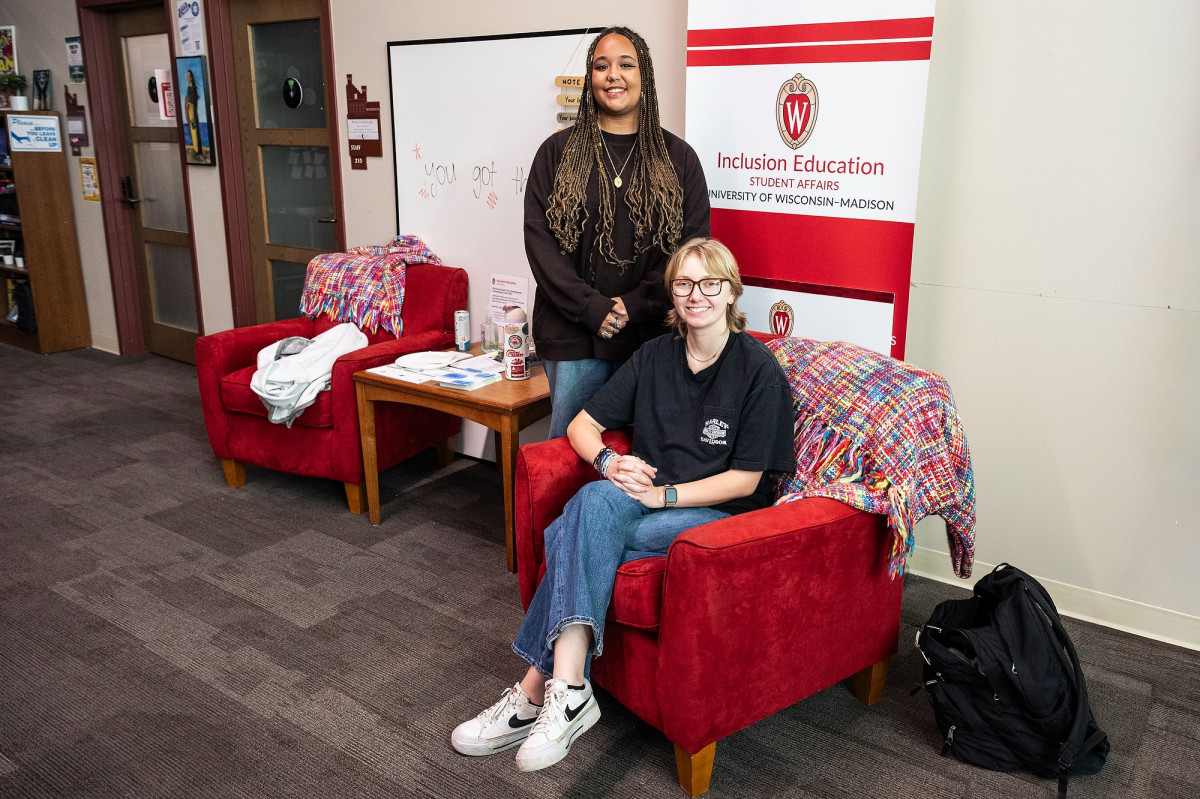
Mentors meet individually with their mentees twice a month, with at least one meeting focused on academics and another offering time for academic or social connection. Mentors also meet with a program supervisor and participate in FGLI events themselves.
It’s the kind of support Trim and Bigby wish they’d had as incoming freshmen — someone to study with, to offer reassurance, or to help when questions arose about registration or housing.
Trim and Bigby now offer that same kind of guidance to their mentees, discussing topics like apartment hunting and how financial aid works when students move off campus.
“I wish that there would have been one [of these programs] started last year, but it’s nice to be in these shoes now, knowing that I can help someone,” Trim said.
She arrived at UW–Madison accustomed to figuring things out for herself. Now, through FGLI Services, she’s helping other students know that they don’t always have to.
To explore resources, learn about mentorship opportunities, or connect with FGLI Services, visit fgli.wisc.edu or stop by Suite 217 in the Red Gym, 716 Langdon St.