A year of resilience and discovery
Despite uncertainty over federal funding, the university’s scientific community continued to advance knowledge and improve lives. Find out how from our favorite UW research stories of 2025.
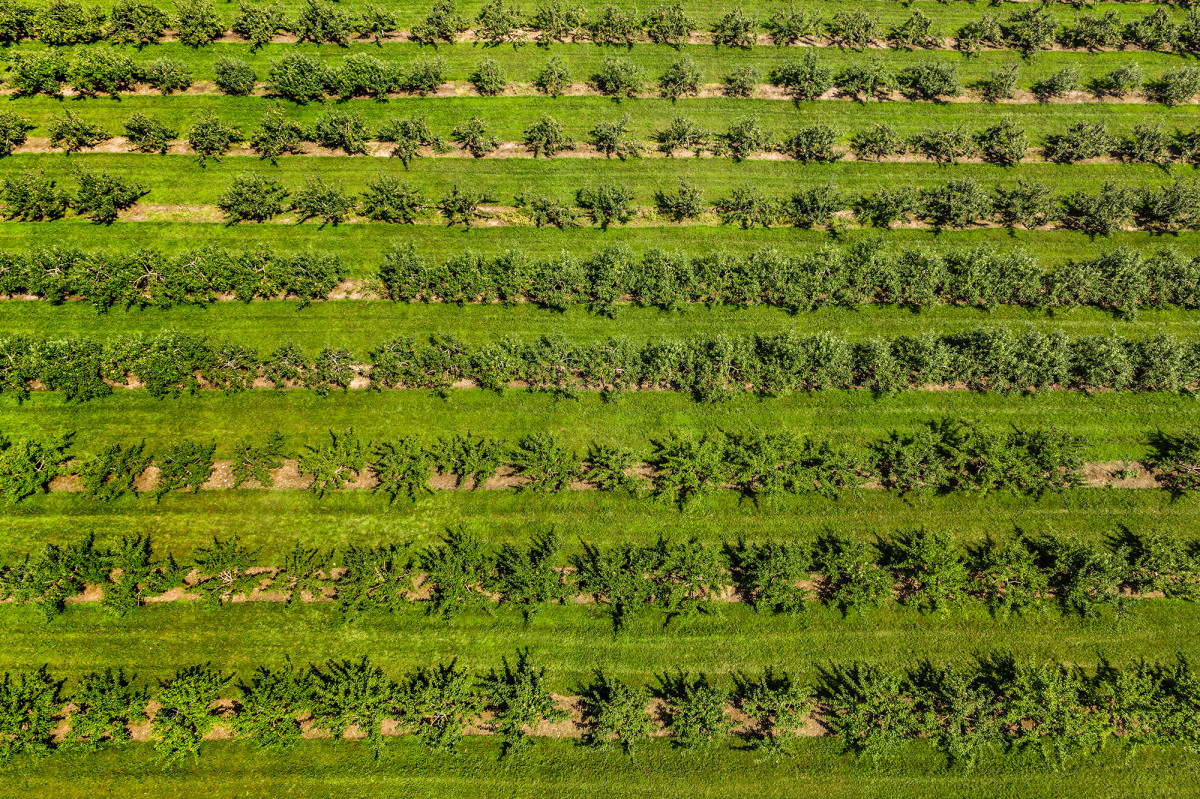
Hillside Apples in Casco is one of many farms across Wisconsin that rely on hyper-local weather data from UW’s Wisconet stations to reduce costs and improve yields.
At the University of Wisconsin–Madison, research moves us forward. It improves people’s health, supports industry, creates jobs, fosters entrepreneurship and inspires us to find wonder in our everyday lives.
This year, the UW research community faced uncertainty surrounding federal funding. But that didn’t stop Badger researchers from inventing, discovering, and improving the lives of Wisconsinites and people around the world. They helped prevent the spread of bird flu in the state, provided hyper-local weather data to farmers, learned why bird sounds are so varied by region, unraveled the evolution of sea spiders to understand other species, and explored the origins of life on Earth.
As the semester winds down and we prepare for the new year, our research communicators selected some of their favorite stories from 2025, ranging from a dinosaur discovery to a game-changing clinical trial for kidney transplant patients.
Old dinosaur is even older than we thought
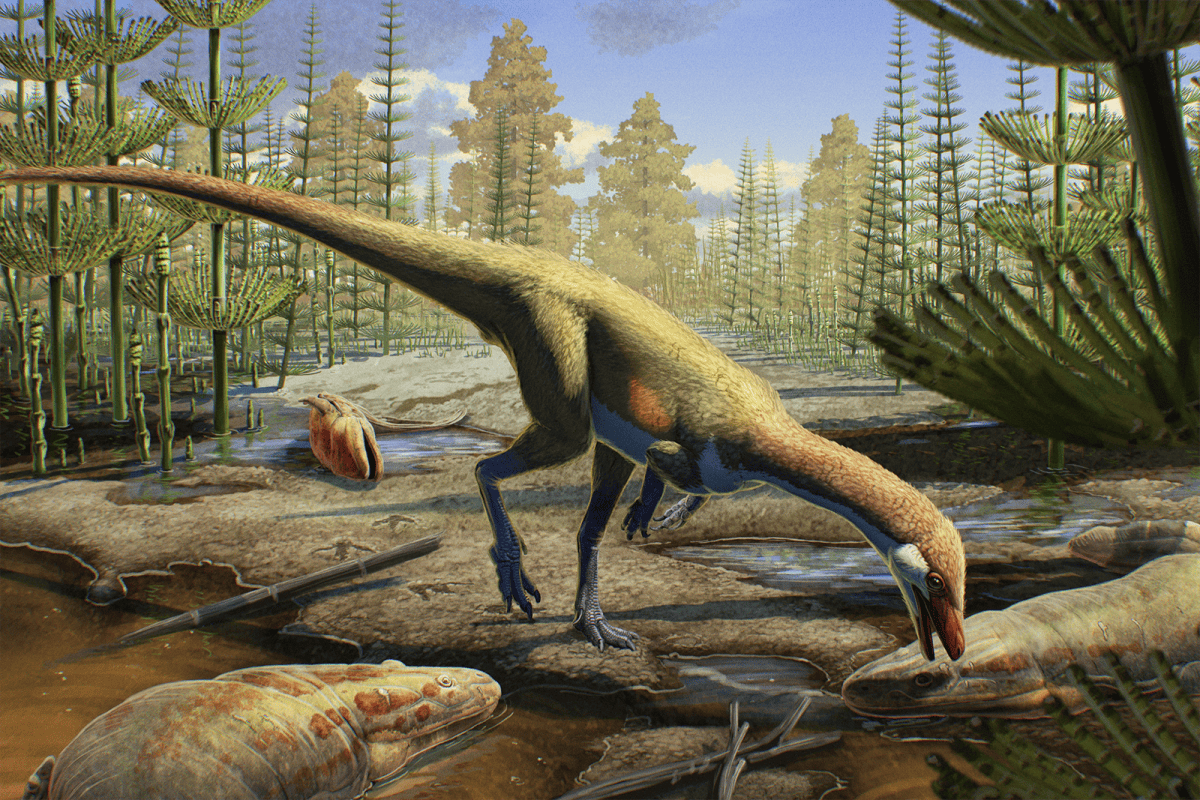
Learn how the fossil of Ahvaytum bahndooiveche caused paleontologists to shift the timeline of when dinosaurs roamed North America — by millions of years. The recently discovered dinosaur was named in collaboration with the Eastern Shoshone Tribe members who reside on the land where the fossil was found in Wyoming.

The real costs of research funding cuts
What are indirect research funds and why are they indispensable? Explore how proposed changes to support from the federal government and National Institutes of Health would endanger critical health research at UW–Madison — and what that would mean for Wisconsinites and the world.
A new kidney — free of daily meds
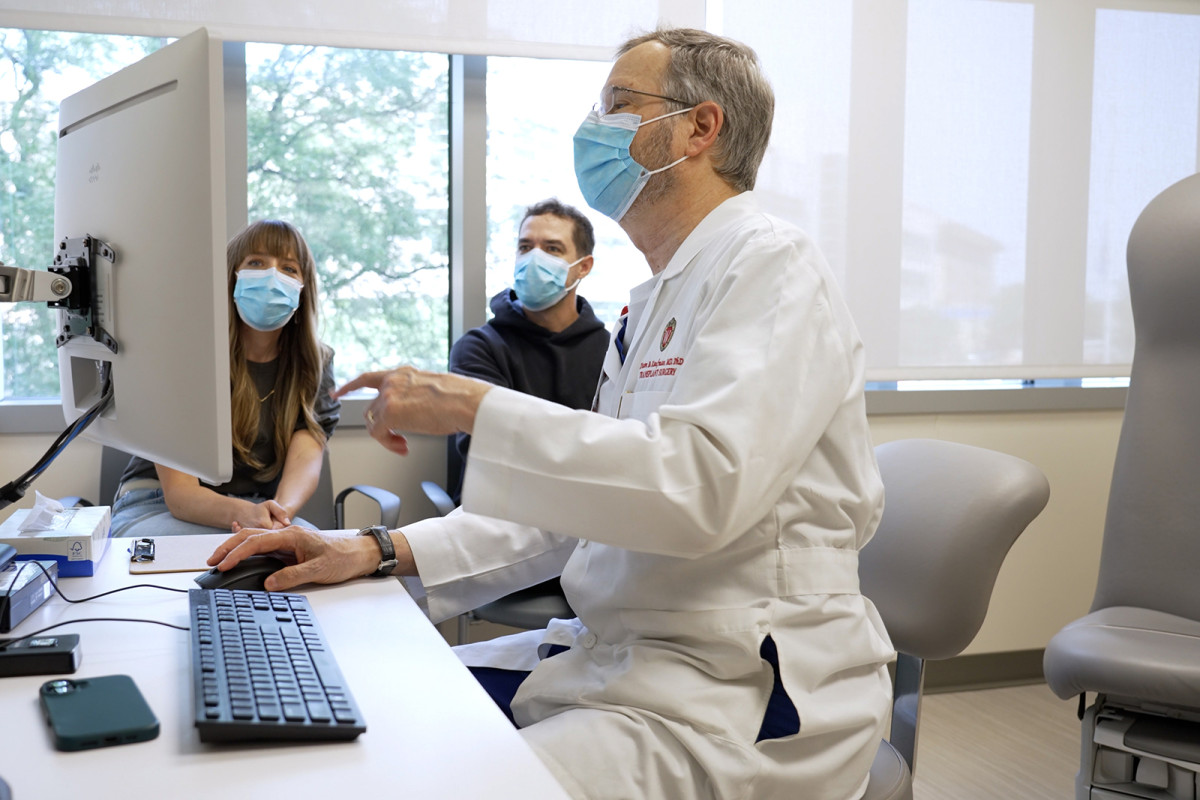
Meet some of the patient success stories from a clinical trial and new protocol at UW–Madison that helps kidney transplant patients thrive after surgery without needing lifelong medication. “I have to consciously remind myself that there’s a third kidney in here,” one patient said. “I feel healthier than I’ve ever been.”
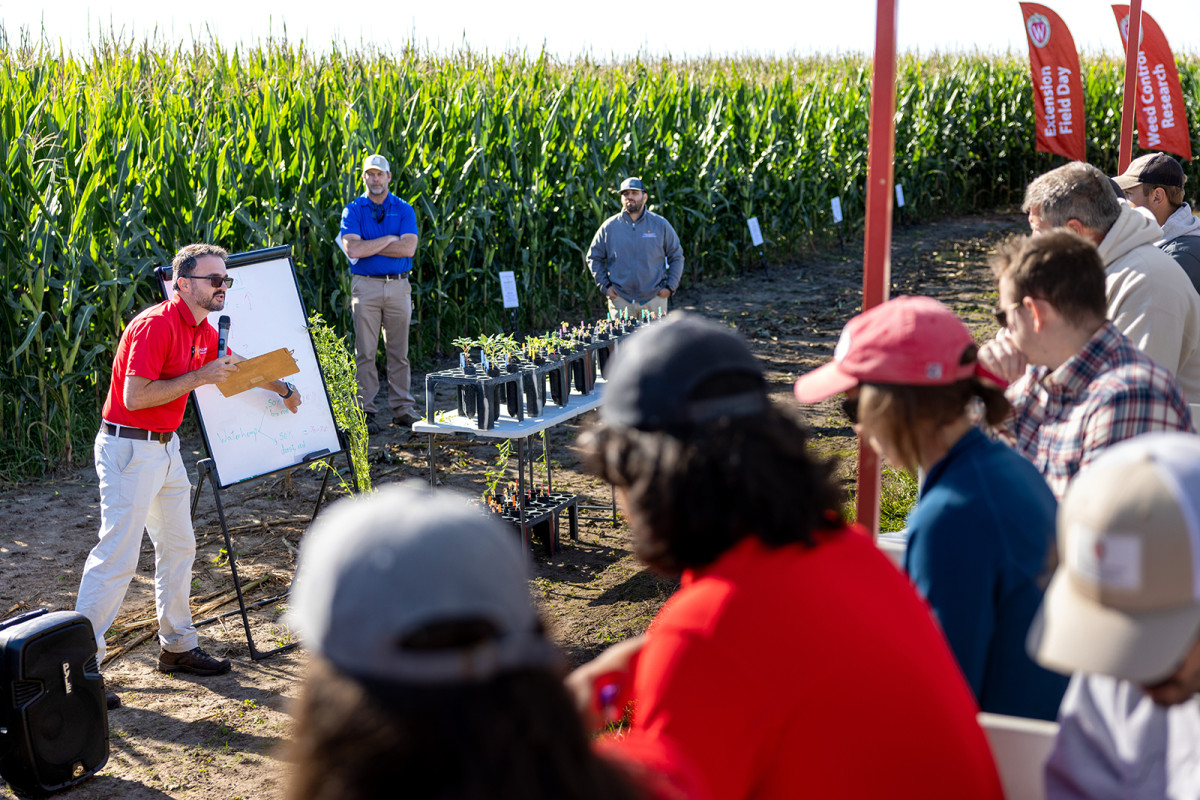
Growing the future
Did you know UW–Madison has 12 research farms spread across the state to help solve some of the most pressing concerns in agriculture? These agricultural research stations allow researchers to share with Wisconsin farmers the latest science and best practices that can help them grow self-fertilizing corn, improve weed management, optimize calf care, and so much more.
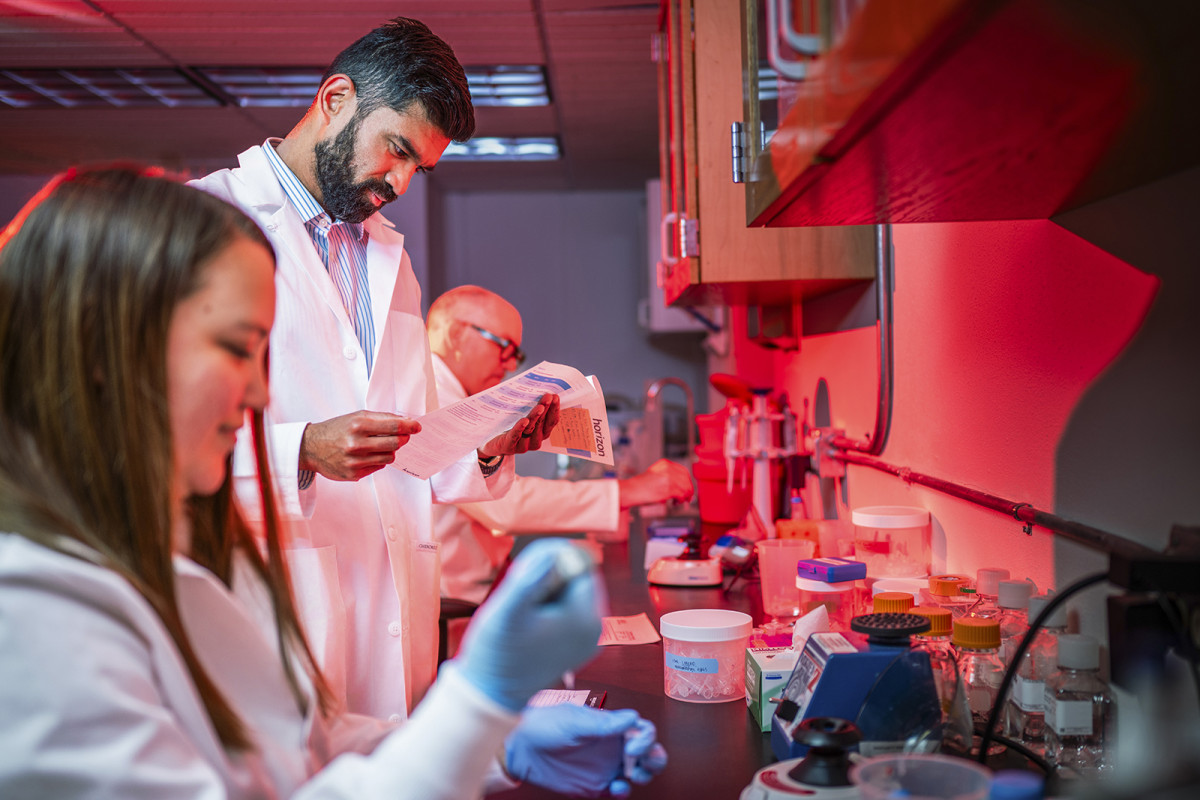
From idea to company to cure
Over the past 100 years, the Wisconsin Alumni Research Foundation (WARF) has helped UW–Madison researchers patent and license their discoveries. Now, the organization has added a new line of business: fostering start-up companies to bring even more innovations to the world.
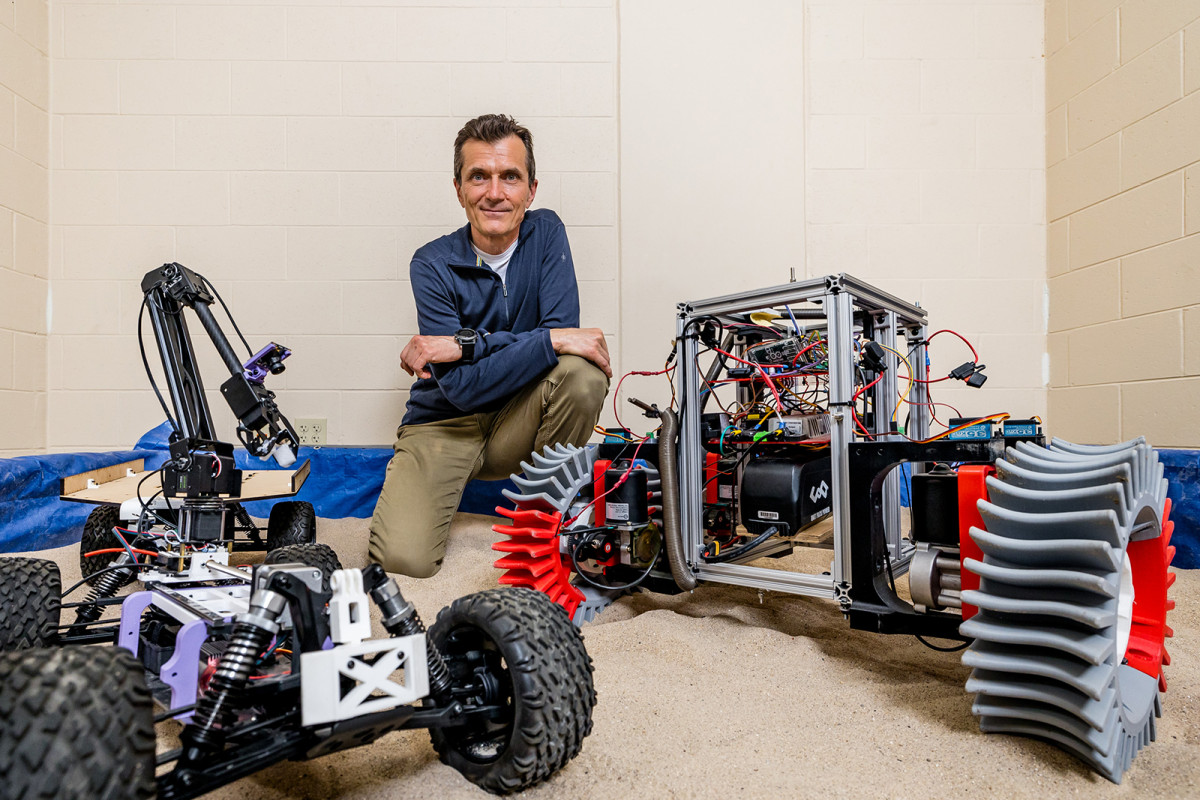
Unsticking space rovers
Houston, we had a problem. Thanks to engineers at UW–Madison, space rovers are now less likely to get stuck during missions far, far away from Earth. Using computer simulations, researchers uncovered a flaw in how rovers are tested on Earth, leading to overly optimistic conclusions of a rover’s ability to successfully navigate rocky surfaces during extraterrestrial missions.

Scrolling for answers
Who better to ask about the effects of social media than some of the platforms’ primary users: teenagers. Meet some of the Wisconsin teens participating in a long-term, federally funded study designed to address how social media affects the physical and mental health of adolescents.
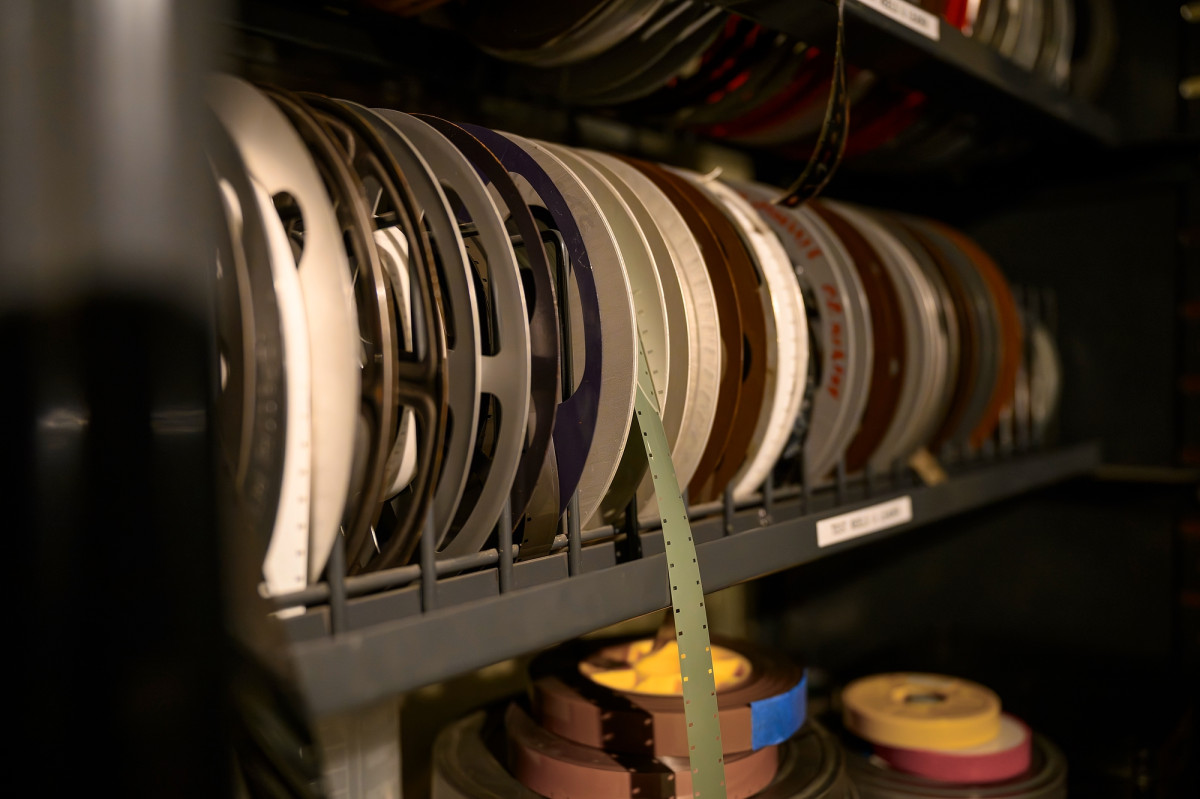
A global hub for Hollywood history
Ever wanted to read the original screenplay that kicked off the “Jurassic Park” film franchise? From early drafts to final scripts and all the artifacts in between, the Wisconsin Center for Film and Theater Research is a rich archival collection that draws scholars, researchers and movie buffs from around the globe. The collection provides insights into not only film history, but American culture and heritage as well.
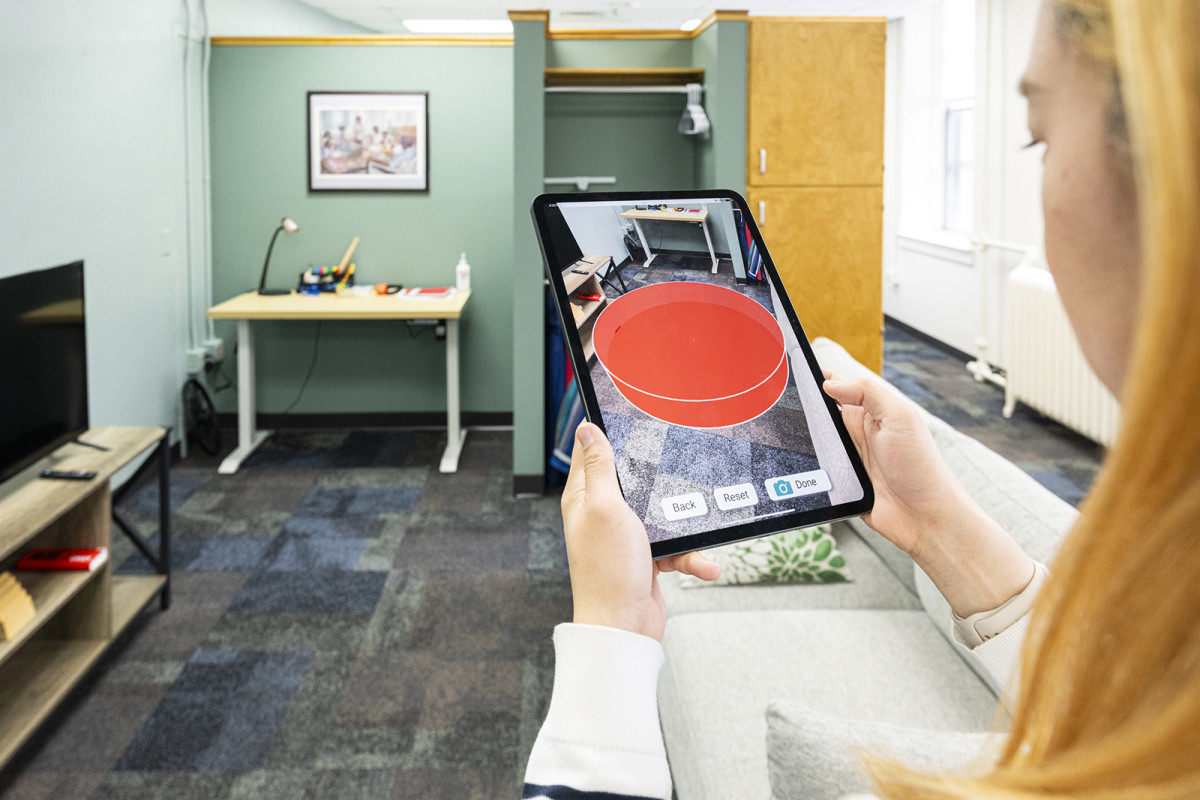
Aging in place
Intentional design can make a world of difference. Through an augmented-reality app, UW–Madison researchers are helping Wisconsinites visualize design changes that can help them adapt their homes as they age before committing to expensive renovations.
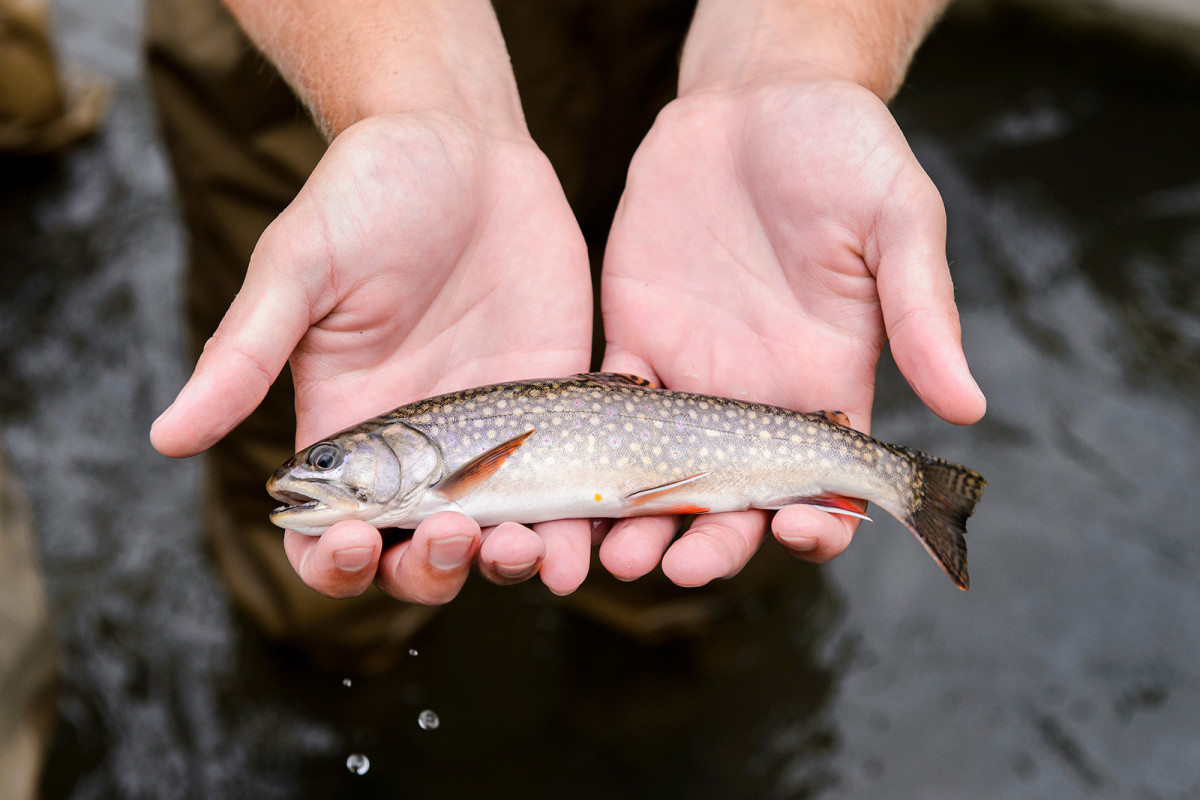
Protecting our Great Lakes
The Wisconsin Sea Grant and the National Estuarine Research Reserve at UW–Madison are working to improve fisheries, drinking water, recreation and community protection in areas around the Great Lakes. Both organizations rely on federal support to keep our waters clean, drive economic development and improve public safety across the state.
Research at the University of Wisconsin–Madison drives innovation, saves lives, creates jobs, supports small businesses, and fuels the industries that keep America competitive and secure. It makes the U.S.—and Wisconsin—stronger. Federal funding for research is a high-return investment that’s worth fighting for.
Learn more about the impact of UW–Madison’s federally funded research and how you can help.