Five UW–Madison professors elected to American Academy of Arts & Sciences
The new members, representing a wide range of academic research areas, were selected for accomplishments in their fields.
The American Academy of Arts & Sciences announced today that five University of Wisconsin–Madison faculty members have been elected to the national honorary society and research center.
The election recognizes the UW–Madison scholars’ accomplishments in their respective fields.
The inductees are educational theorist Michael W. Apple, chemist Helen E. Blackwell, communication researcher Dominique Brossard, mathematician Jordan Ellenberg and geographer Holly Gibbs.
They join nearly 250 other newly elected members across academia, the arts, industry, policy, research and science.
“We celebrate the achievement of each new member and the collective breadth and depth of their excellence — this is a fitting commemoration of the nation’s 250th anniversary,” said Academy President Laurie Patton. “The founding of the nation and the Academy are rooted in the inextricable links between a vibrant democracy, the free pursuit of knowledge and the expansion of the public good.”
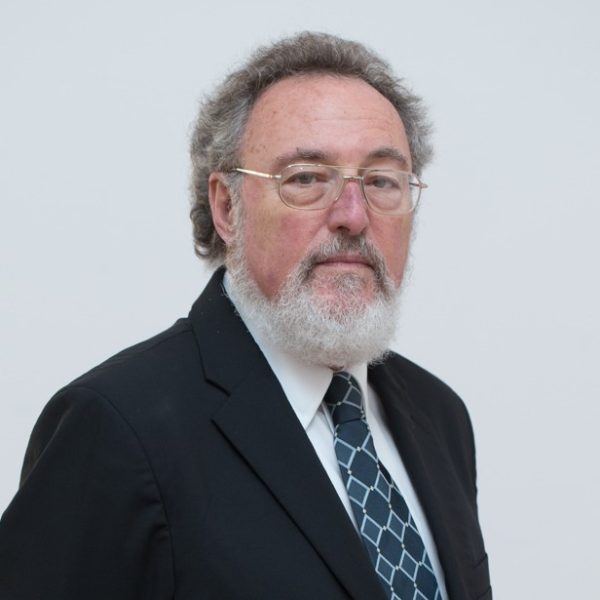
Michael W. Apple
Apple is the John Bascom Professor Emeritus of Curriculum and Instruction and Educational Policy Studies in the School of Education. He has worked with governments, researchers, unions, political movements and dissident groups in many parts of the world on building more critically democratic research, policies and practices in education. He has written extensively on the politics of educational reform, on the relationship between culture and power, and on education for social justice.
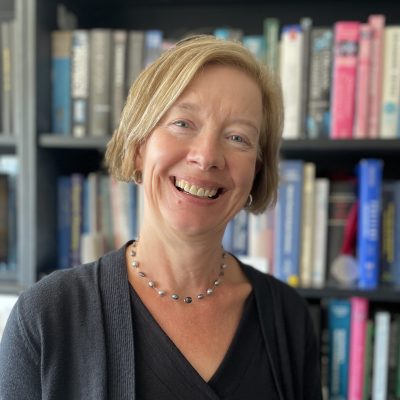
Helen E. Blackwell
Blackwell is the Norman C. Craig Professor of Chemistry in the Department of Chemistry. She works at the interface of organic chemistry and bacteriology, unraveling the roles of bacterial cell-to-cell communication in disease and the environment. Her lab designs and synthesizes novel chemical tools to decode and interfere with those messages, hoping to influence them to fight infections, disrupt bacterial colonies and encourage desired microbial behaviors.
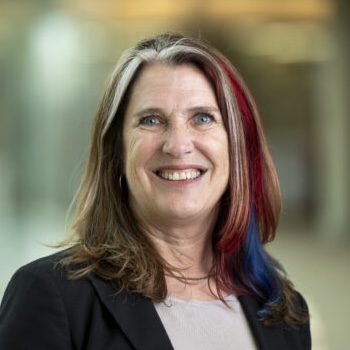
Dominique Brossard
Brossard is a professor in the Department of Life Sciences Communication and an affiliate of the Robert F. and Jean E. Holtz Center for Science and Technology Studies, the Wisconsin Energy Institute, the Global Health Institute, and the Nelson Institute for Environmental Studies. Her research focuses on the intersection of science, media and policy, exploring how public attitudes toward controversial scientific issues are shaped and influenced.
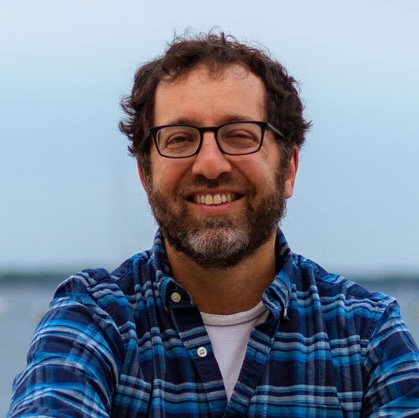
Jordan Ellenberg
Ellenberg is the John D. MacArthur Professor and Vilas Distinguished Achievement Professor of Mathematics in the Department of Mathematics. His is known for his contributions to number theory, algebraic geometry and arithmetic geometry, as well as his ability to make complex mathematical concepts accessible to broad audiences. His books “How Not to Be Wrong: The Power of Mathematical Thinking” (2014) and “Shape: The Hidden Geometry of Information, Biology, Strategy, Democracy, and Everything Else” (2021) were New York Times bestsellers.
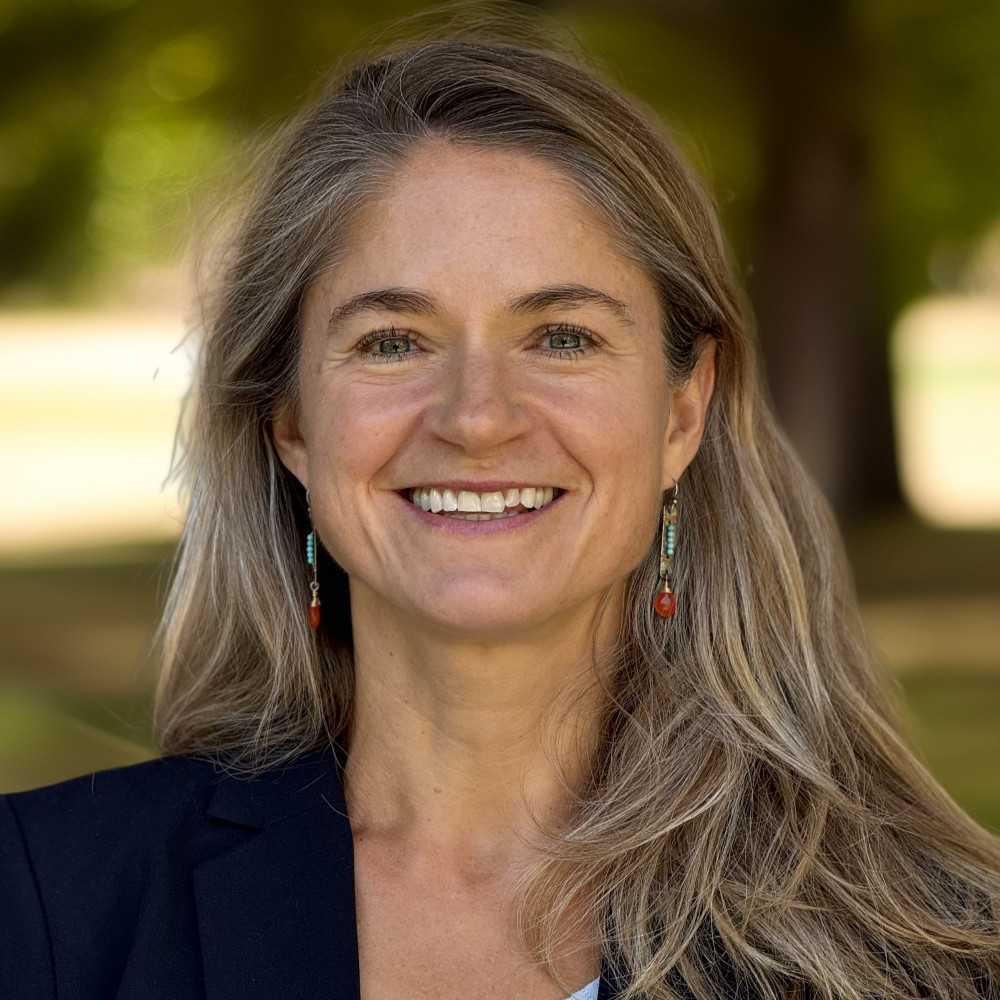
Holly Gibbs
Gibbs is the Gaylord A. Nelson Distinguished Chair in Integrated Environmental Studies and professor in the Nelson Institute for Environmental Studies. She is a geographer who studies how and why people use land around the world and what these changes — particularly tropical deforestation in Brazil and cropland expansion and private property conservation in the United States — mean for the future of our planet. Her interdisciplinary team has pioneered approaches integrating big data, AI-based modeling, spatial analysis, remote sensing imagery and econometrics with ground-based information on social and biophysical conditions to understand land-use change.