Meet the 2026 University Staff Recognition Award winners
Teamwork, mastery and innovation mark the work of this year’s awardees.
Ten University Staff members have been honored with the 2026 University Staff Recognition Award for their contributions to the University of Wisconsin–Madison. The recipients were recognized by colleagues for teamwork, dedication to excellence, problem-solving abilities and innovative approaches to their jobs.
The following profiles are summaries from nominations submitted to the selection committee.
Erin Breu
Administrative Assistant, College of Letters & Science
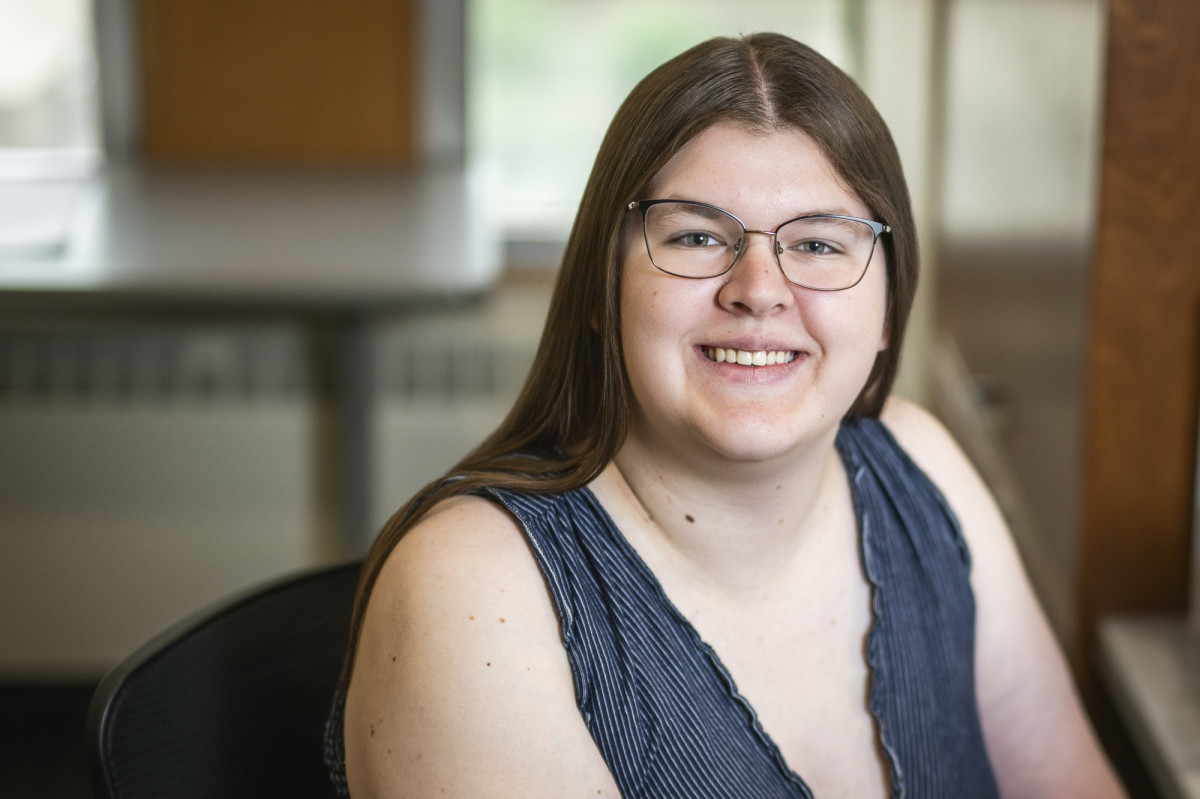
Since joining the Department of Mathematics last year, Erin Breu’s exceptional initiative, confidence and deep commitment to service has positively transformed the department. She has made it a priority to become deeply informed on policies, programs and activities, allowing her to provide accurate and helpful guidance via phone, email and in person, where she serves as the primary point of contact for the unit. She has also taken the initiative in strengthening the department’s social media presence and newsletter, extending outreach and fostering stronger connections with alumni and the broader community. Breu actively seeks growth opportunities, such as completing CPR/First Aid training and has quickly become a reliable resource across the department.
Carol Cizauskas
Administrative Assistant III, College of Letters & Science
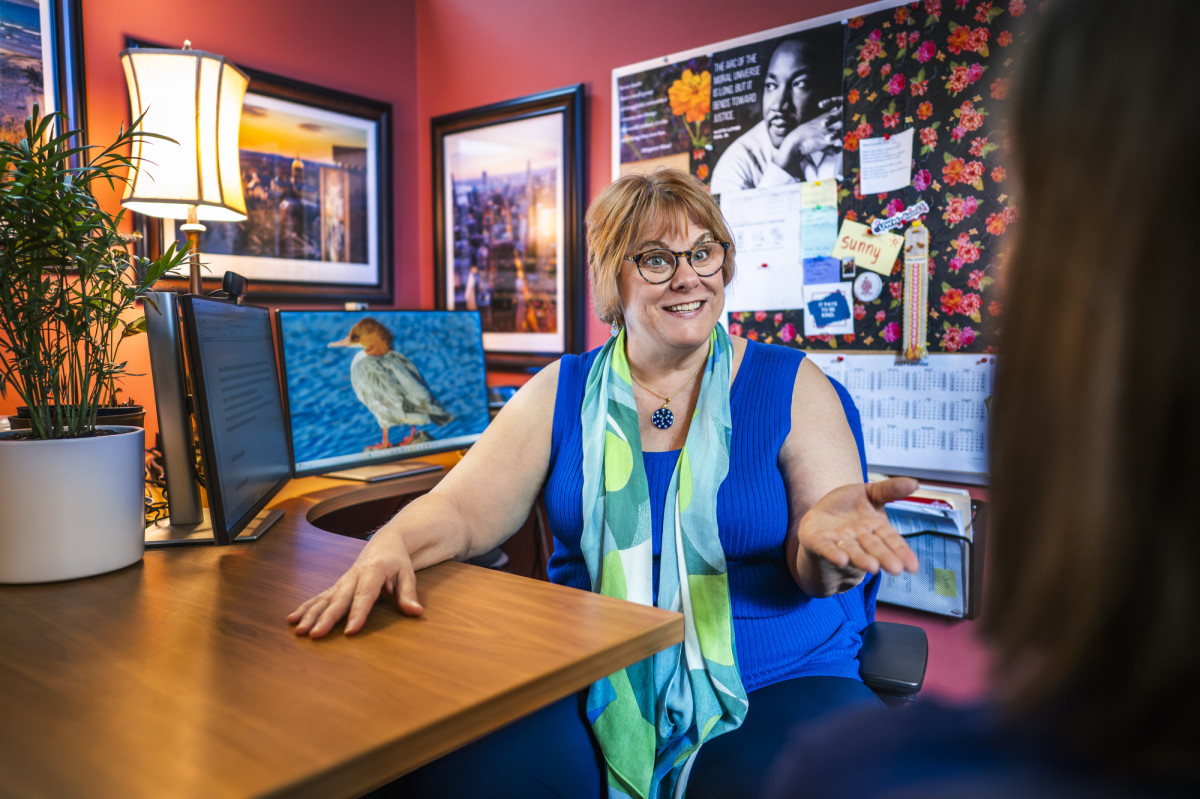
After joining the Department of History in November 2023, Carol Cizauskas’ high level of professionalism and organizational skills quickly contributed to smooth operations and stability during a time of departmental transition. She manages faculty searches, annual reviews, and promotion and tenure processes with outstanding attention to detail. In fact, the College of Letters & Science recognized and complimented her work in this area by promoting a tenure dossier that she coordinated and assembled as a model for other units in the division. The search committees that Cizauskas has worked with often praise her for going the extra mile to extend hospitality and warmth to visiting candidates.
Gustavo Adolfo Diaz Solano
Custodian, University Housing
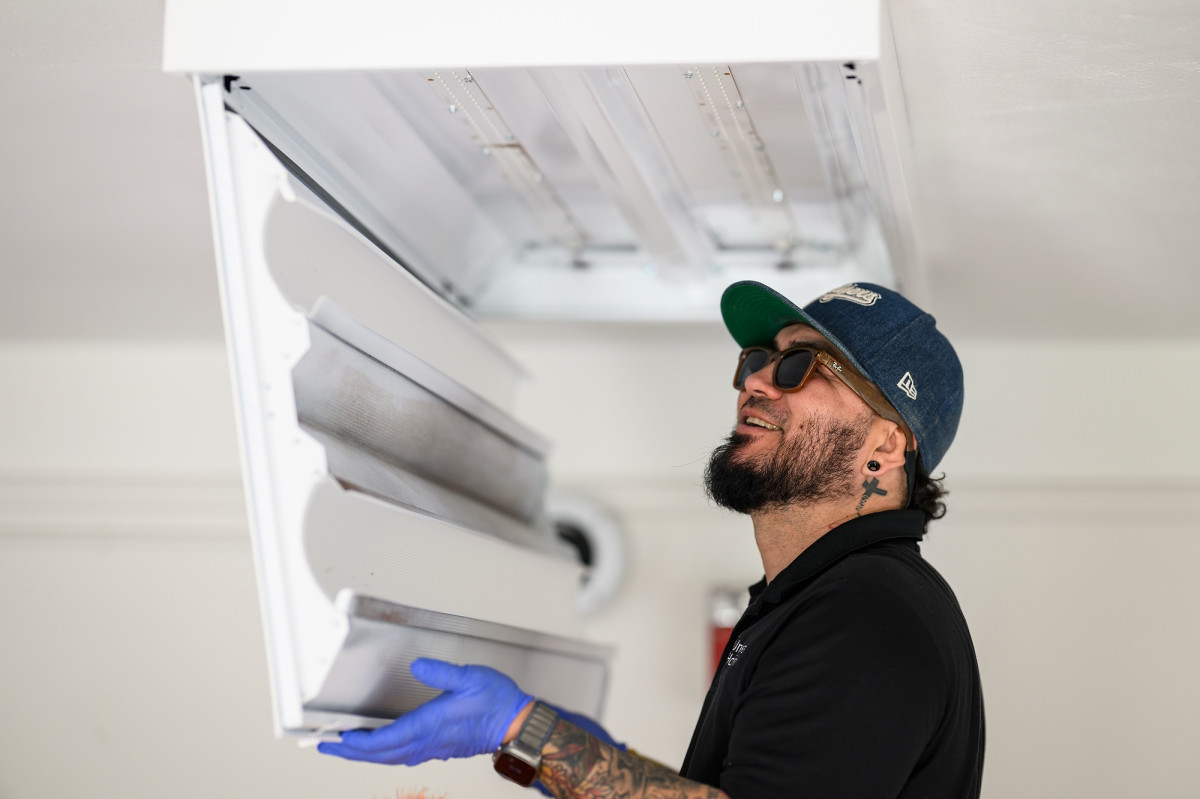
For Gustavo Adolfo Diaz Solano, the job of a custodian is not just about cleaning; it’s about protecting the spaces that thousands of students call home. If an unexpected task comes up, he takes on the responsibility. His attitude not only elevates his own performance, but also inspires others working alongside him. As an example, his nominator described one particularly cold morning when Diaz Solano noticed a water leak in a hallway that could have gone unnoticed. Without hesitation, he took immediate action to avoid a greater problem. In an environment where every detail counts, his dedication makes a tangible difference.
Meg Hamilton
Police Sergeant, University Police Department
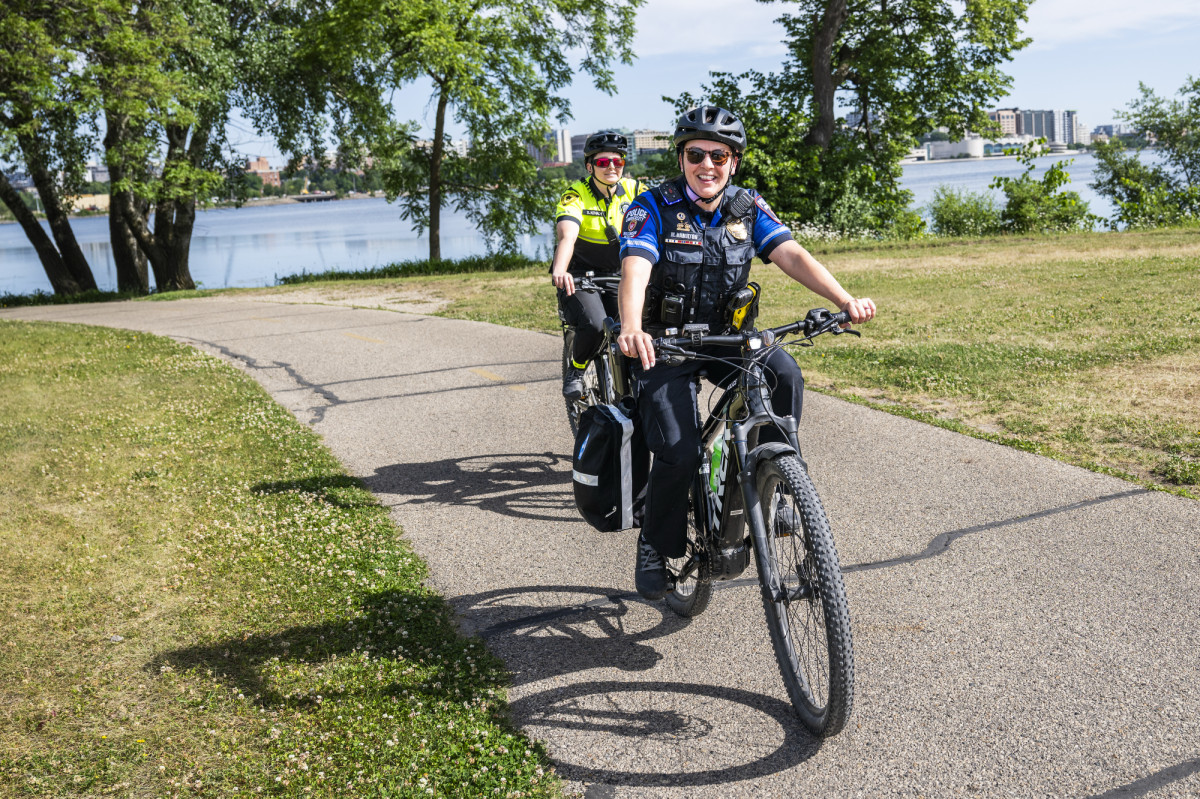
In her 19-year law enforcement career, Meg Hamilton has become a pillar of leadership, resilience and compassion. Law enforcement remains a male-dominated field, yet Hamilton has navigated its challenges with a grace and tenacity that sets a standard for all officers. Her focus on community relations is central to the department’s community policing philosophy. Her work in community outreach, including her role as a founding supervisor for deflection initiatives, shows a commitment to helping vulnerable populations rather than simply policing them. Hamilton’s most profound impact is her courageous advocacy for mental health and PTSD awareness within law enforcement. She travels the state to speak at wellness symposia and peer support trainings, breaking the silence around first responder wellness.
Jake Lepper
Police Sergeant, University Police Department
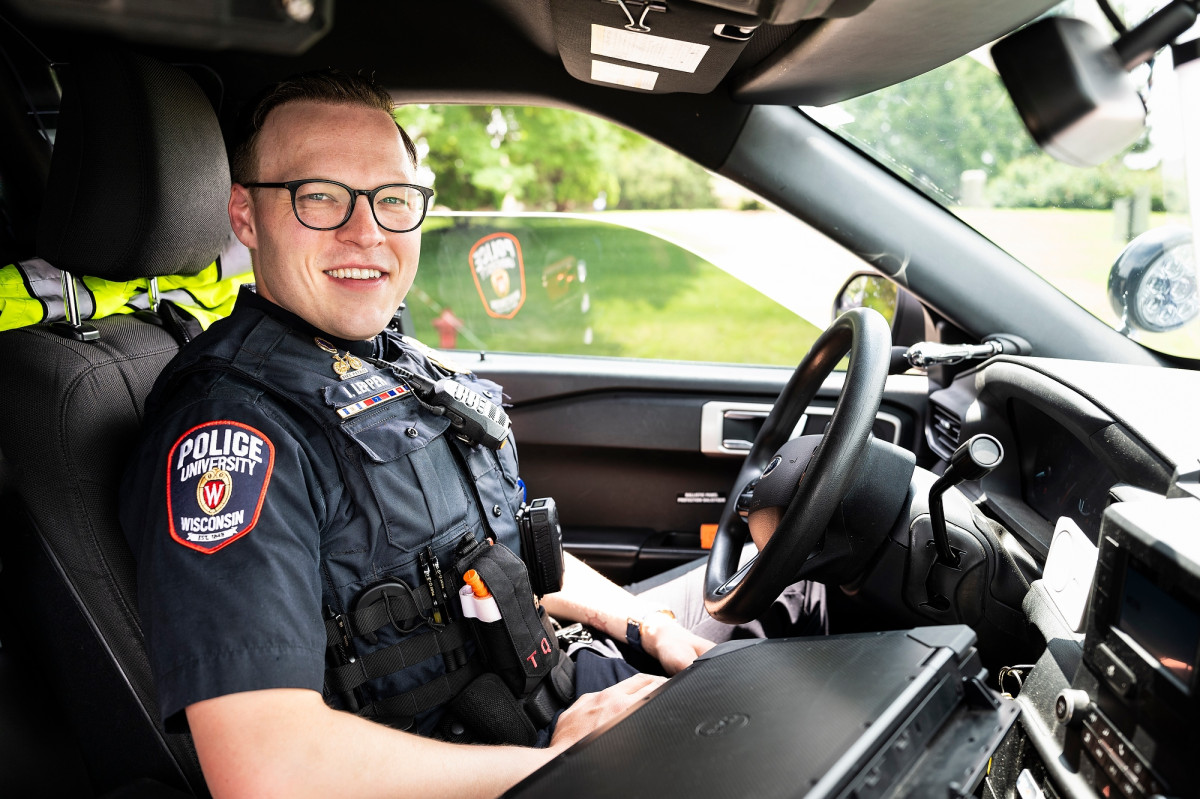
Jake Lepper’s nominator lauded his outstanding ability to connect with people, foster meaningful dialogue and inspire thoughtful change. As a proud advocate for the LGBTQ+ community, Lepper is skillful in bridging worlds through knowledge, empathy and lived experience. In addition to delivering inclusivity training for local law enforcement agencies, Lepper authored a comprehensive LGBTQ+ inclusivity curriculum that he successfully advocated to have adopted as a required component for all Law Enforcement Standards Board–certified academies throughout the state of Wisconsin. His work is now helping shape how future law enforcement professionals are trained across Wisconsin, contributing to more informed, respectful and community-centered policing statewide.
Patrick Long
IT Help Desk Supervisor, Law School
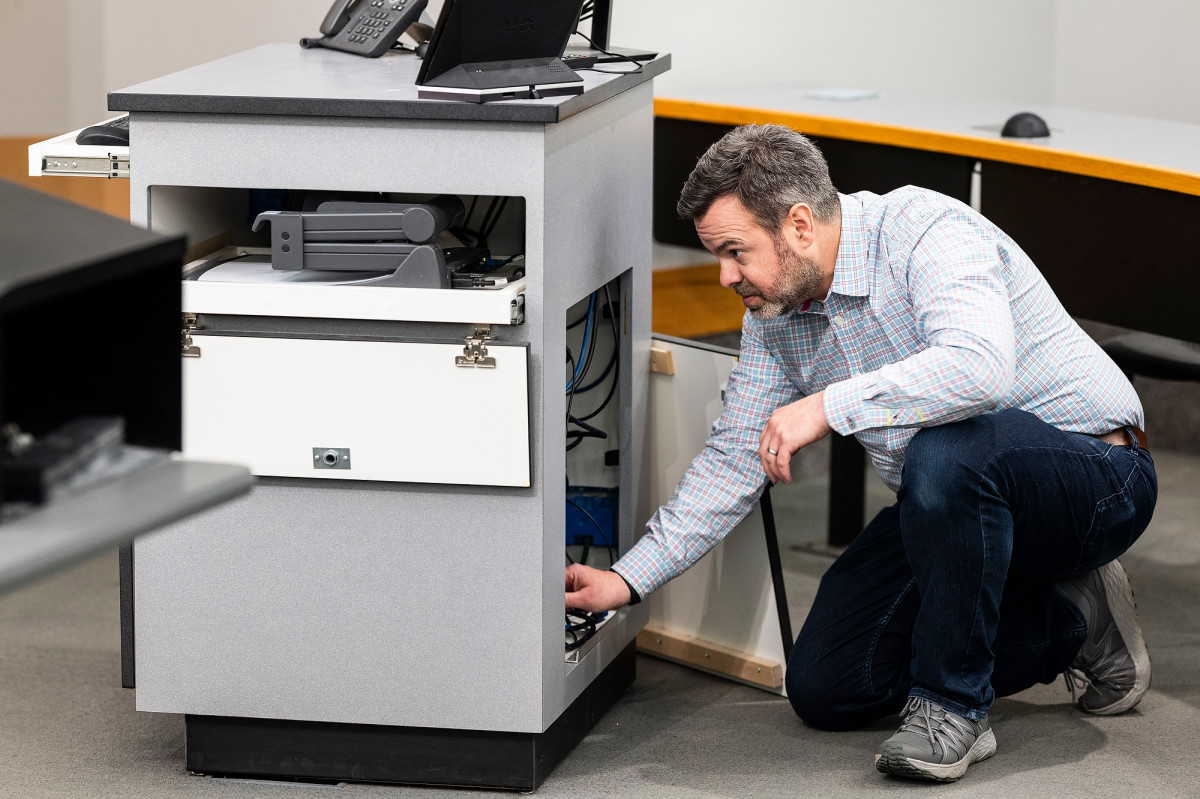
Patrick Long’s courtesy and professionalism drew kudos from his nominator, who noted that Long makes every interaction at the IT Help Desk a positive one through his kind, patient and solutions-oriented approach. His leadership sets a high standard for himself and his team and fosters a culture of continuous improvement. Long’s innovative approach to implementing automated systems to record classes and upload them to Canvas saved staff a significant amount of time. He also helped develop a system for tracking student attendance via Canvas, improving both accuracy and accessibility. Beyond technical expertise, Long’s warm personality and positivity contributes much to the Law School community.
Cody Mortensen
Primate Caretaker — Lead, Office of the Vice Chancellor for Research
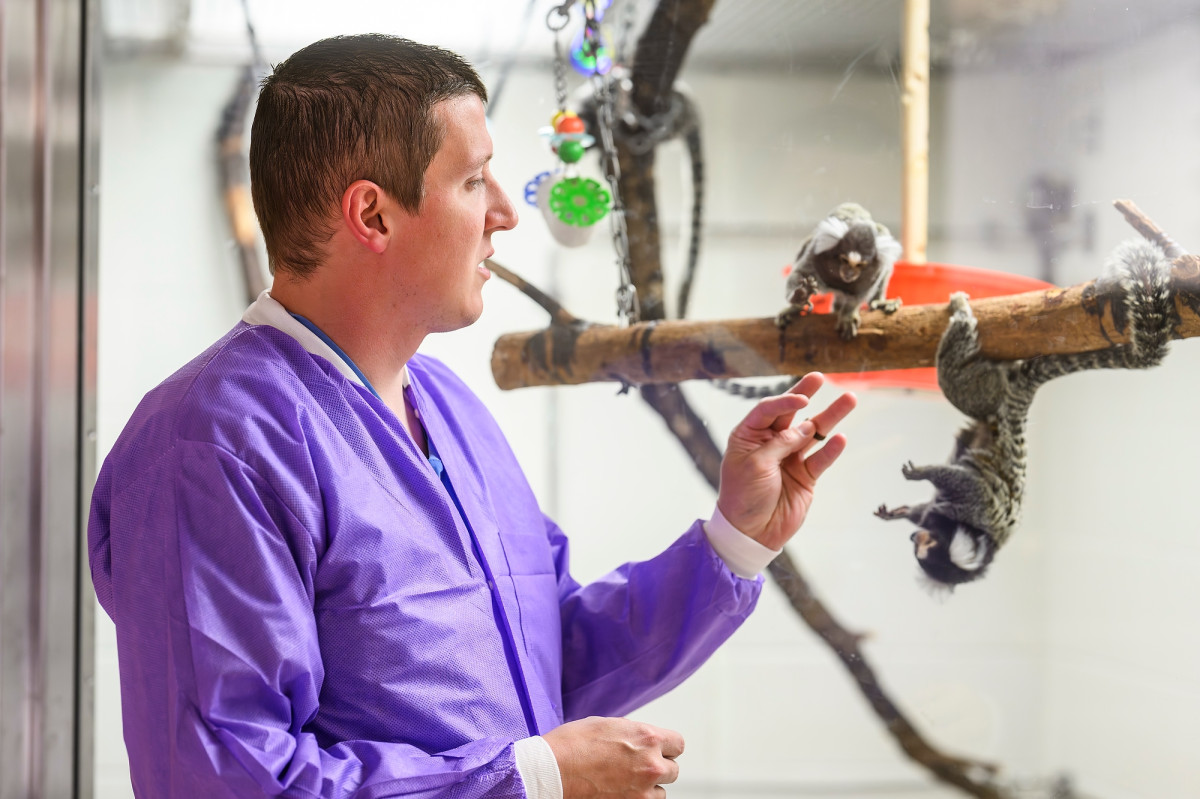
Cody Mortensen serves as a Lead Worker at the Wisconsin National Primate Research Center, consistently demonstrating a level of versatility, technical mastery and dedication that is foundational to the success of the research mission and the well-being of the center’s primate colonies. In a workplace where staffing levels can fluctuate, Mortensen sets the example with a “team first” approach, pivoting from lead duties to assist with daily animal husbandry and ensuring high standards of welfare are maintained without interruption. According to the nominator, Mortensen “is the definition of an indispensable employee,” combining the technical mind of a specialist with the hands-on heart of a dedicated caretaker.
Richard Payton
Primate Caretaker — Senior, Office of the Vice Chancellor for Research
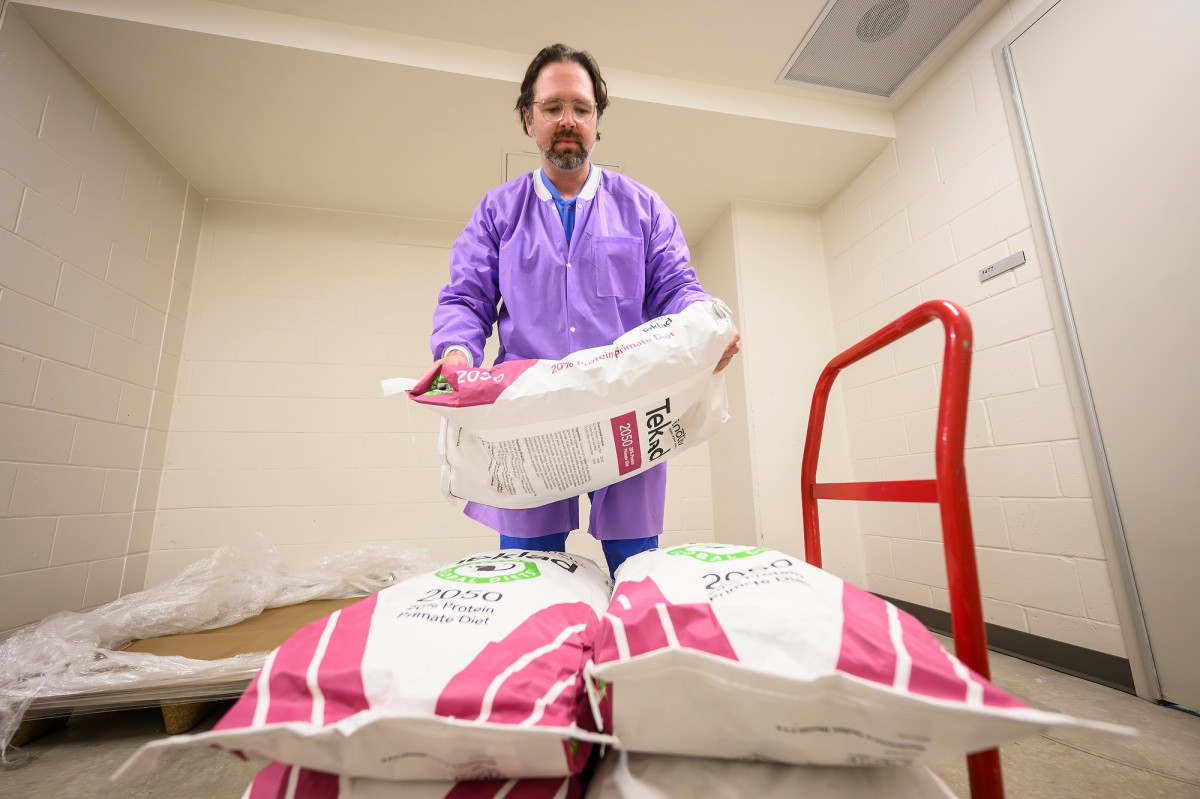
As an Animal Caretaker II at the Wisconsin Institute for Medical Research, Richard Payton’s commitment to animal welfare, biosafety and team mentorship is an indispensable asset to the facility. Among Payton’s greatest strengths are a diversity of skills: He operates as a reliable “utility player” who can pivot at a moment’s notice, handling transitions seamlessly and ensuring that essential care never falters regardless of the section’s workload. Beyond technical duties, he has taken an active role in the professional development of the team and recently provided training oversight for two new staff members, going far beyond simply teaching daily tasks. Payton fosters an inclusive and supportive environment, ensuring that new employees feel welcomed and confident.
Robin Schwartz
Animal Care Technician III, School of Medicine and Public Health
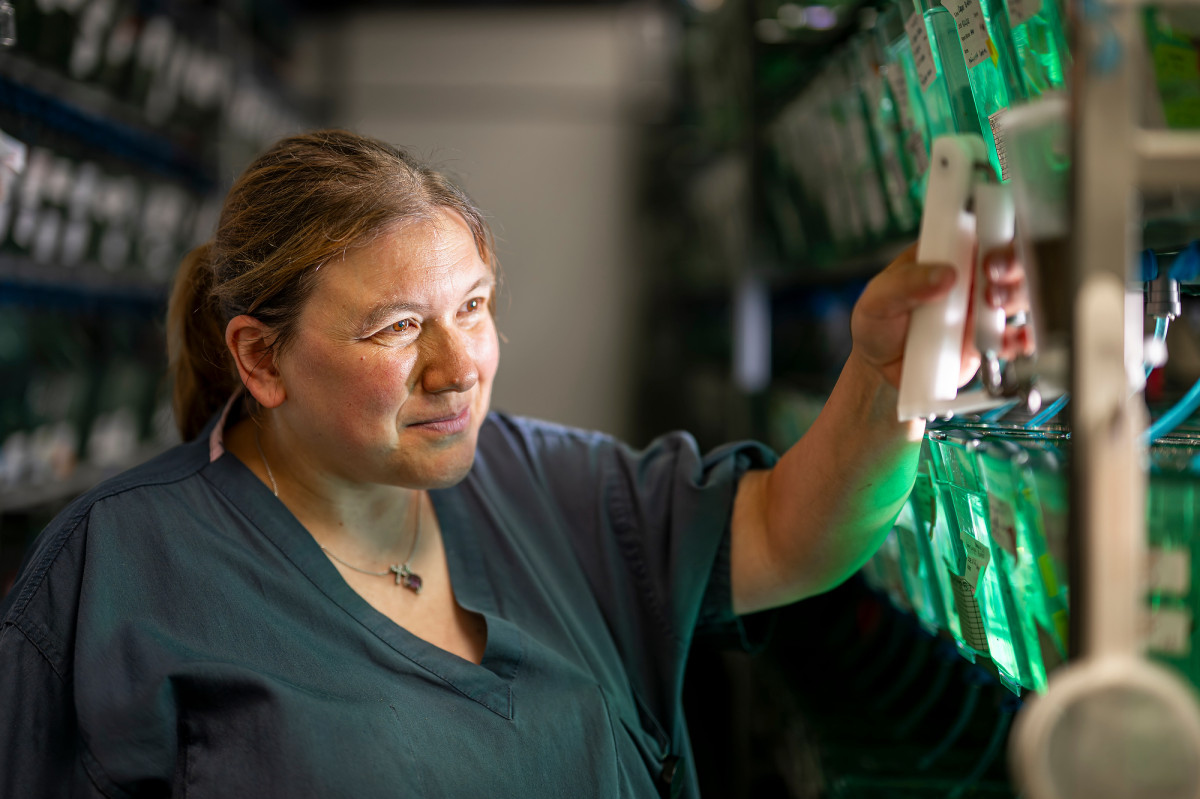
Robin Schwartz has worked as an animal care technician for the past decade, consistently demonstrating mastery, reliability and leadership in every aspect of her work. Her breadth of training and experience allows her to step into any role with little to no notice. In addition, Schwartz mentors and trains new staff, ensuring they achieve proficiency and confidence before completing their onboarding. Her service to the broader organization is equally impressive. She has served as an active member of the Biomedical Research Model Services Standard Operating Procedures (SOP) Committee for three years, and her hands-on experience and operational insight have been invaluable in ensuring SOP accuracy and practicality.
Erik Twaroski
Bacteriology Team Lead, Wisconsin Veterinary Diagnostic Laboratory
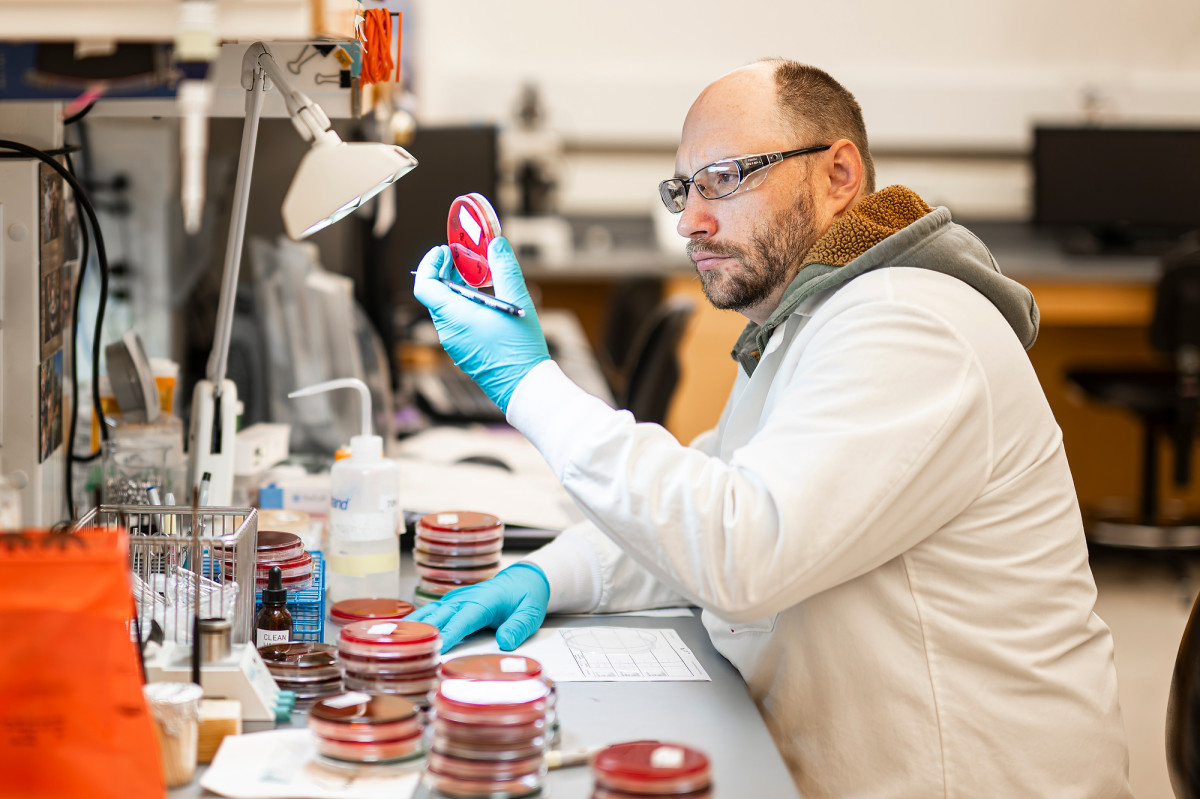
Throughout his nearly 20-year career at the Wisconsin Veterinary Diagnostic Laboratory, Erik Twaroski has grown from entry-level bacteriologist to his current role as Team Lead, all the while demonstrating dedication, reliability and a strong willingness to help in all areas of the business. In the past two years, he has stepped up to support large IT projects, and has contributed innovative ideas in analytics that have been implemented and resulted in better service for clients and efficiency for staff. Twaroski serves as a subject matter expert in many areas, including parasitology and antimicrobial susceptibility testing, helping maintain nationally recognized standards through participation and membership, and staff have come to rely on his trouble-shooting skills for internal first steps and thoughts on what to do next.