Greg Lukianoff: ‘Dissent is essential for understanding the world’
In a conversation with Chancellor Mnookin, the Foundation for Individual Rights and Expression president and CEO discussed intellectual health in higher education.
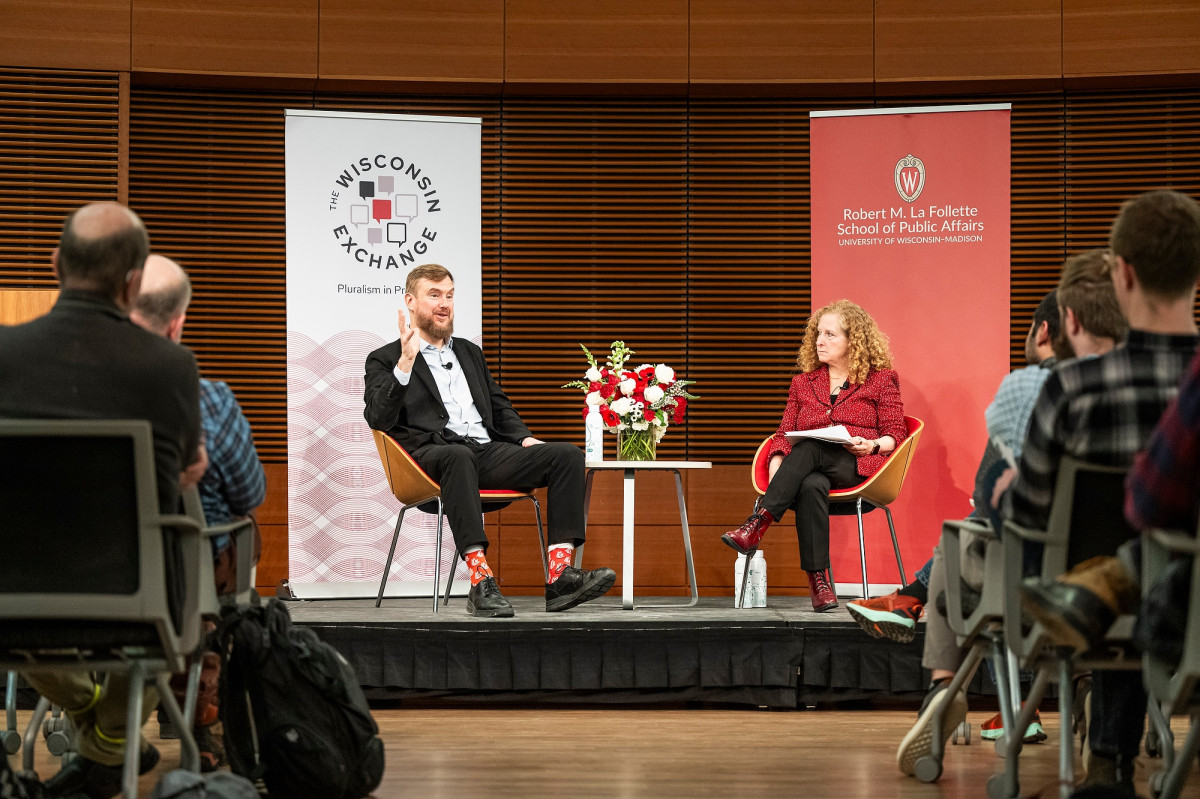
The University of Wisconsin–Madison hosted free speech advocate Greg Lukianoff yesterday for a timely conversation with Chancellor Jennifer Mnookin about free expression on college campuses and how UW–Madison can continue its efforts to build a culture that encourages vigorous discourse.
With nearly 200 in attendance at the DeLuca Forum in the Discovery Building, Chancellor Mnookin kicked off the discussion with Lukianoff, president and CEO of the, Foundation for Individual Rights and Expression (FIRE) with a question about his background and what steered him toward a career as a champion of free speech.
Lukianoff shared an evocative story of being the child of a Russian immigrant who left the Soviet Union (and who, as chance may have it, attended UW–Madison). Growing up in New York, Lukianoff was surrounded by other immigrants who also loved America and its foundational First Amendment that stood in contrast to the authoritarian governments many of them had fled.
Those experiences informed Lukianoff’s beliefs in free speech as the bedrock principle in pursuit of human knowledge. “Dissent is essential for understanding the world as it is,” Lukianoff said.
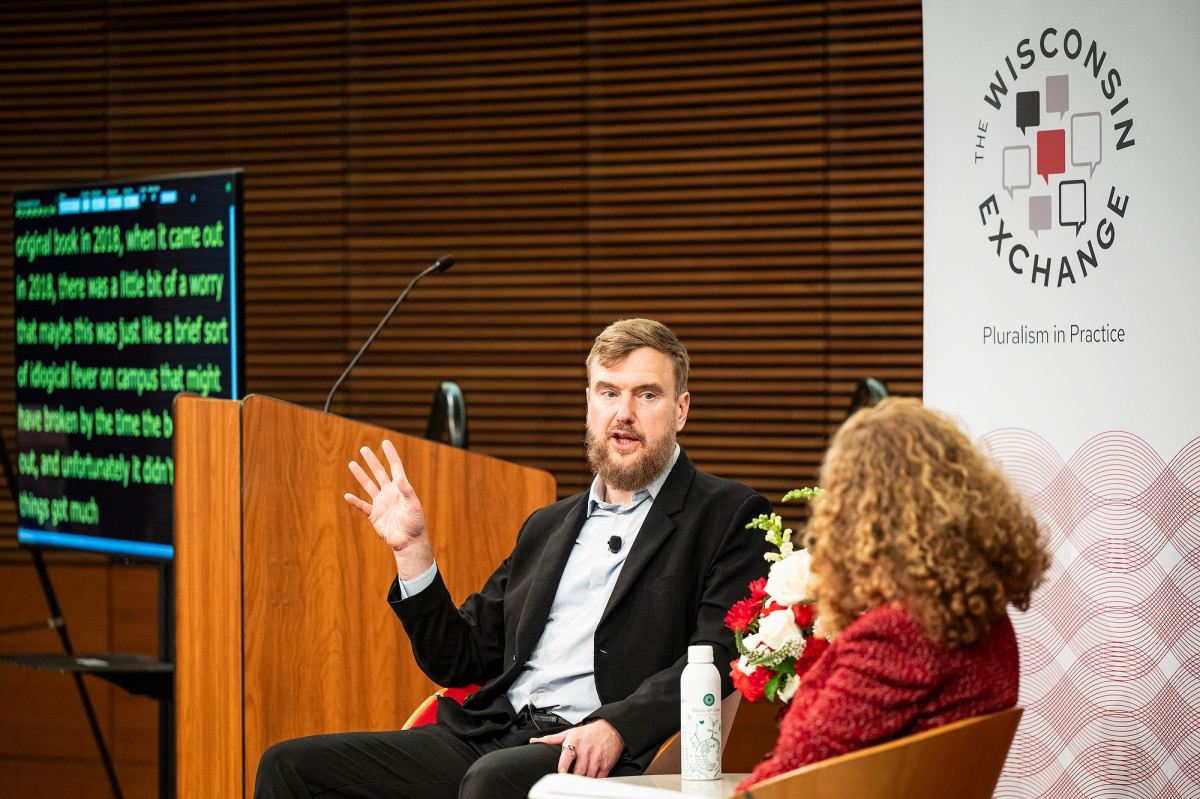
Chancellor Mnookin then asked him how things have changed since he co-wrote the 2018 bestselling book, “The Coddling of the American Mind: How Good Intentions and Bad Ideas Are Setting Up a Generation for Failure.”
Things have gotten much more intense on colleges campuses, he said. “Particularly from about 2020 to 2023. And then there was something that we also predicted, there was the backlash.And that’s the stage that we’re in right now.”
FIRE produces the annual College Free Speech Rankings, and Chancellor Mnookin had the chance to ask Lukianoff about UW–Madison’s scores on its latest rankings. The university ranked 101 out of 257 schools in 2025, up 126 spots from 2024.
Lukianoff lauded UW–Madison for its progress. “Some of the stuff that you guys are doing at the University of Wisconsin, I think, is showing some real smart signs of intellectual health,” Lukianoff said.
Chancellor Mnookin noted the engagement from the campus community, especially its students “We’ve had increasing student interest in our Deliberation Dinners. I just attended the last one of the year a couple of days ago,” Chancellor Mnookin continued. “And it was a remarkable conversation and engagement where, when the students reflected on their experience, they talked about how they learned about the value of learning from each other.”
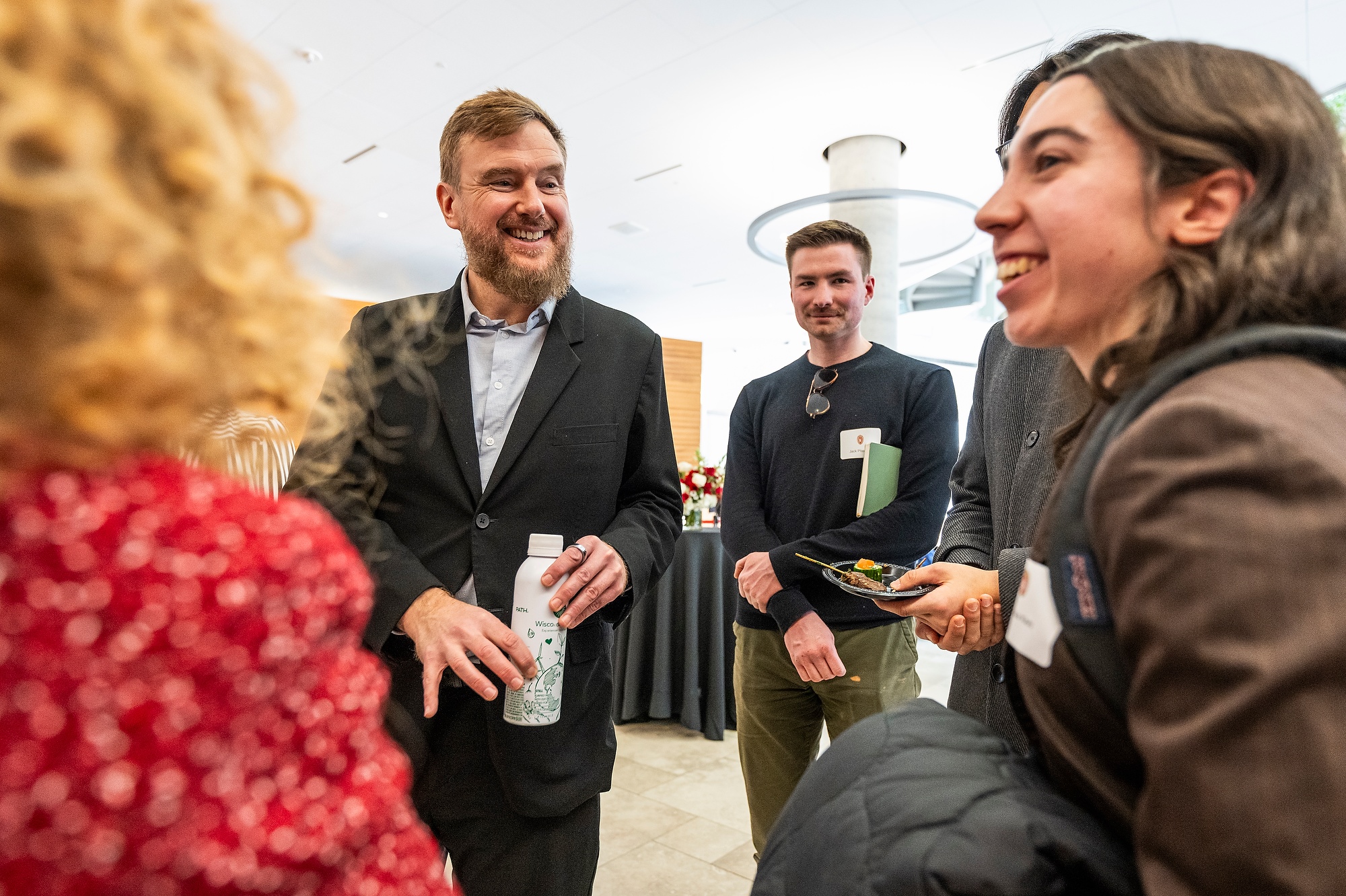
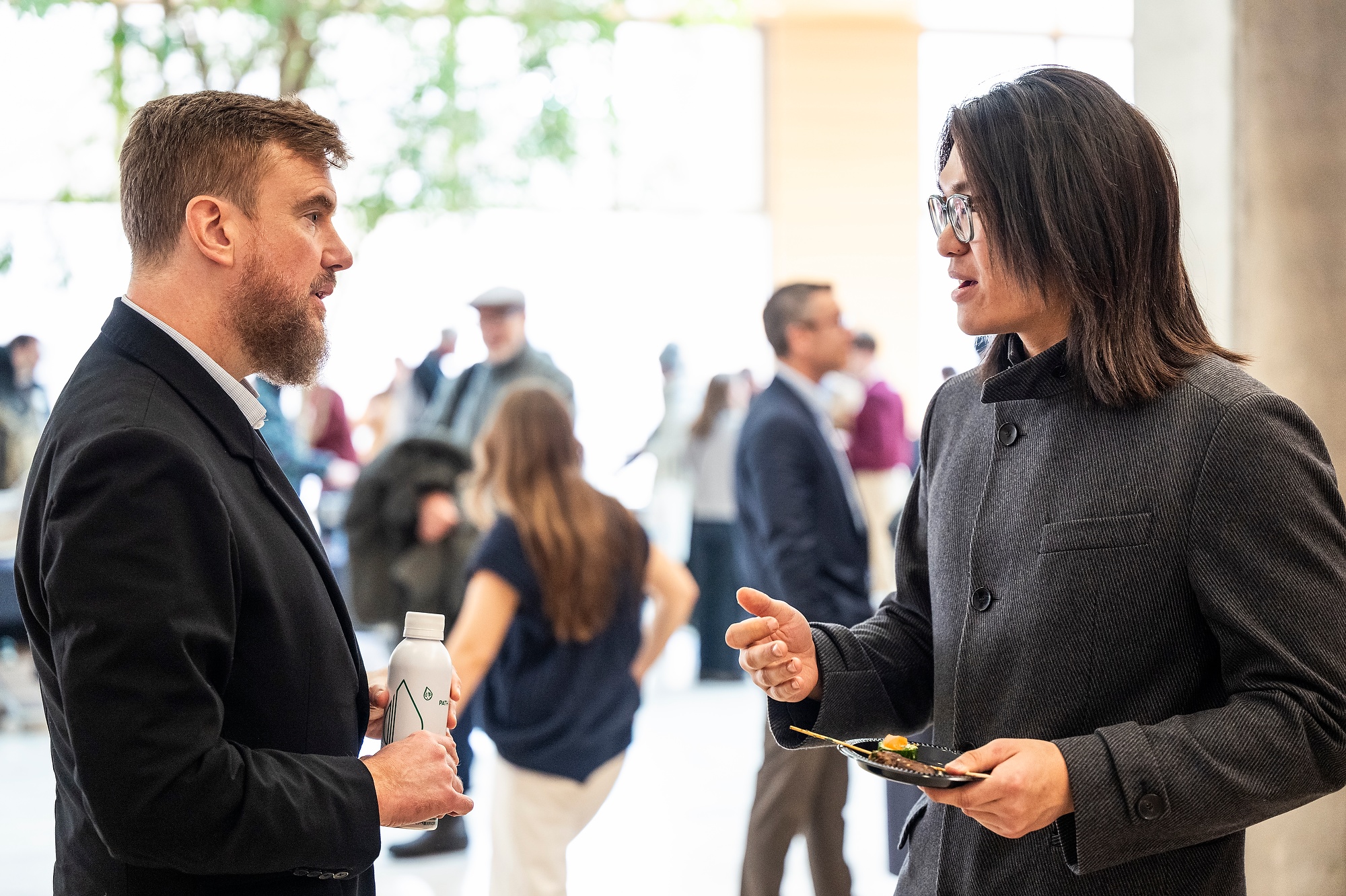
Despite the progress, they also discussed ways in which UW–Madison’s score on the rankings may have been negatively impacted over the last year.
“As a university administrator and leader, I want you to be asking the question, ‘is there anything reasonable they could have done different?’” Chancellor Mnookin said. “And if the answer to that is no, to be mindful about that. Because it does create the incentive to not take risks.”
The Office of the Chancellor organized Lukianoff’s talk in collaboration with the La Follette School of Public Affairs as part of UW–Madison’s Wisconsin Exchange: Pluralism in Practice initiative. The event was also supported by the Tommy G. Thompson Center on Public Leadership, the Center for the Study of Liberal Democracy (CSL), and the Center for Research on the Wisconsin Economy.
In her remarks, the Chancellor described how free speech and open debate underpinned the university’s mission.
“To sift and winnow, we need to be a place of open dialogue, free inquiry and robust debate. And that means we’re sometimes confronted with ideas that we find disagreeable and even offensive,” Chancellor Mnookin said.
On that, Lukianoff agreed. In response to an audience question about social media censorship, he replied: “An environment where nobody says what they truly think is an unsustainable one.”
The Wisconsin Exchange: Pluralism in Practice is a campuswide initiative to enhance viewpoint diversity at UW–Madison, to promote vigorous discourse and debate, and to intensify our campus culture of civil dialogue across many backgrounds, viewpoints, identities, religions, political perspectives, and ideas. Upcoming events can be found on the Wisconsin Exchange website.