Meet the 2026 Distinguished Teaching Award winners
The 13 faculty members named as this year’s honorees will be recognized at a ceremony in April.
Thirteen faculty members have been chosen to receive this year’s Distinguished Teaching Awards. For more than 70 years, the Distinguished Teaching Awards have honored exemplary achievements in teaching and recognized some of the University of Wisconsin–Madison’s finest educators.
“Each year, our Distinguished Teaching Award winners exemplify creativity, dedication and care, and make our classrooms into communities of discovery,” says Chancellor Jennifer Mnookin. “These 13 faculty members not only have tremendous expertise in their fields, but also inspire curiosity, critical thinking and a lifelong commitment to learning that will serve our students for years to come. I am thankful for their commitment to our university and am pleased to congratulate them on this tremendous honor.”
This year’s ceremony will take place at 5 p.m. April 15 in the Great Hall of Memorial Union. Campus and community members are invited to attend. RSVP by March 25.
Chancellor’s Distinguished Teaching Award
Christy Clark-Pujara
Professor, African American studies, College of Letters & Science
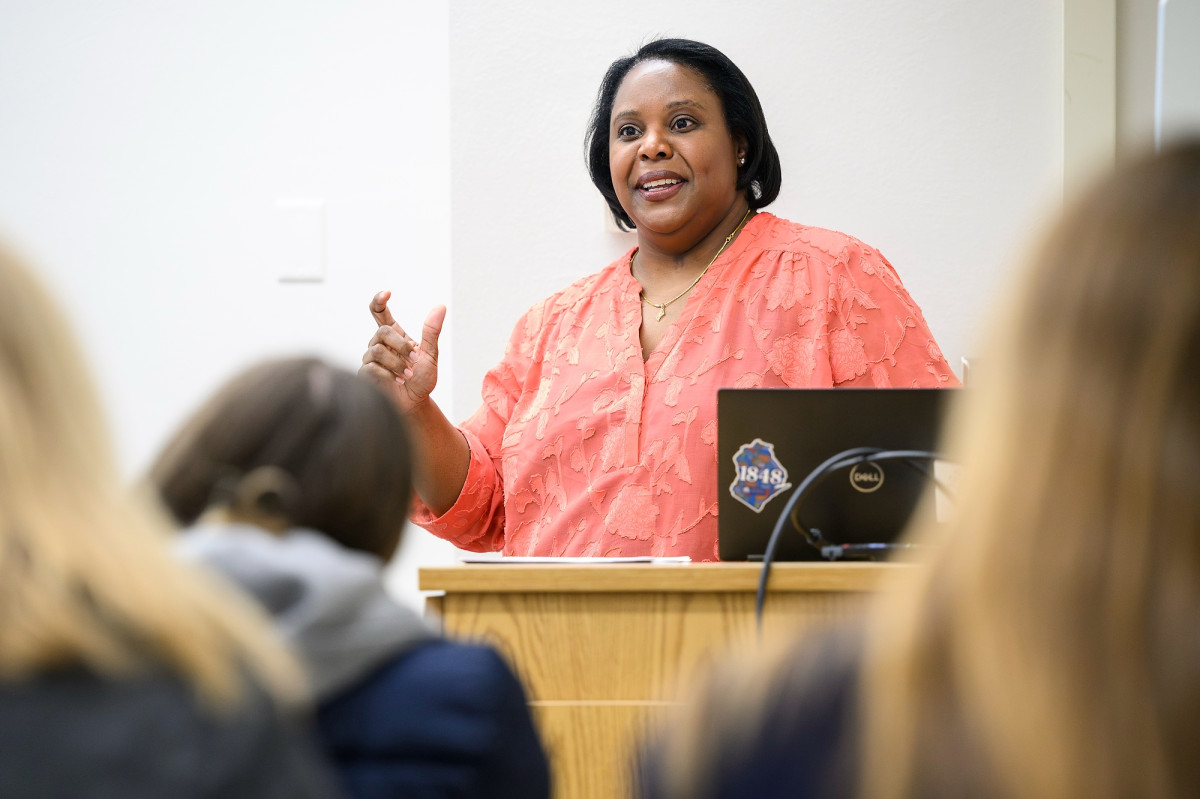
Whether in a UW–Madison classroom or at a public-facing event, Christy Clark-Pujara believes that teaching is meant to “challenge what people think they know and expand what they want to know.”
Widely praised for their accessibility and depth, her university courses create a safe space for difficult questions while grounding discussion in careful historical evidence. Clark-Pujara centers discussion as a teaching practice, asking students to explain their reasoning, listen across differences and connect historical inquiry to present-day understanding. She even goes so far as encouraging students to take ownership of their time together by developing community standards for discussion.
Students are freely encouraged to challenge her as well. Clark-Pujara credits her students with shaping both her scholarship and public engagement. When they inquired why Midwestern history — despite its significance to identity and place — was absent from the syllabus, it led her to begin a book on slavery, Black settlement and freedom in early Wisconsin, and to further expand learning beyond the classroom through Badger Talks and other community-facing work.
“Dr. Clark-Pujara embodies the very best of what teaching at UW–Madison can be: intellectually rigorous and inspiring respect, trust, and transformation. Her scholarship, mentorship, and tireless commitment to expanding access to knowledge make her an extraordinary educator and colleague.” — Dr. Karen Reece
Chancellor’s Distinguished Teaching Award
C. Shawn Green
Professor, psychology, College of Letters & Science
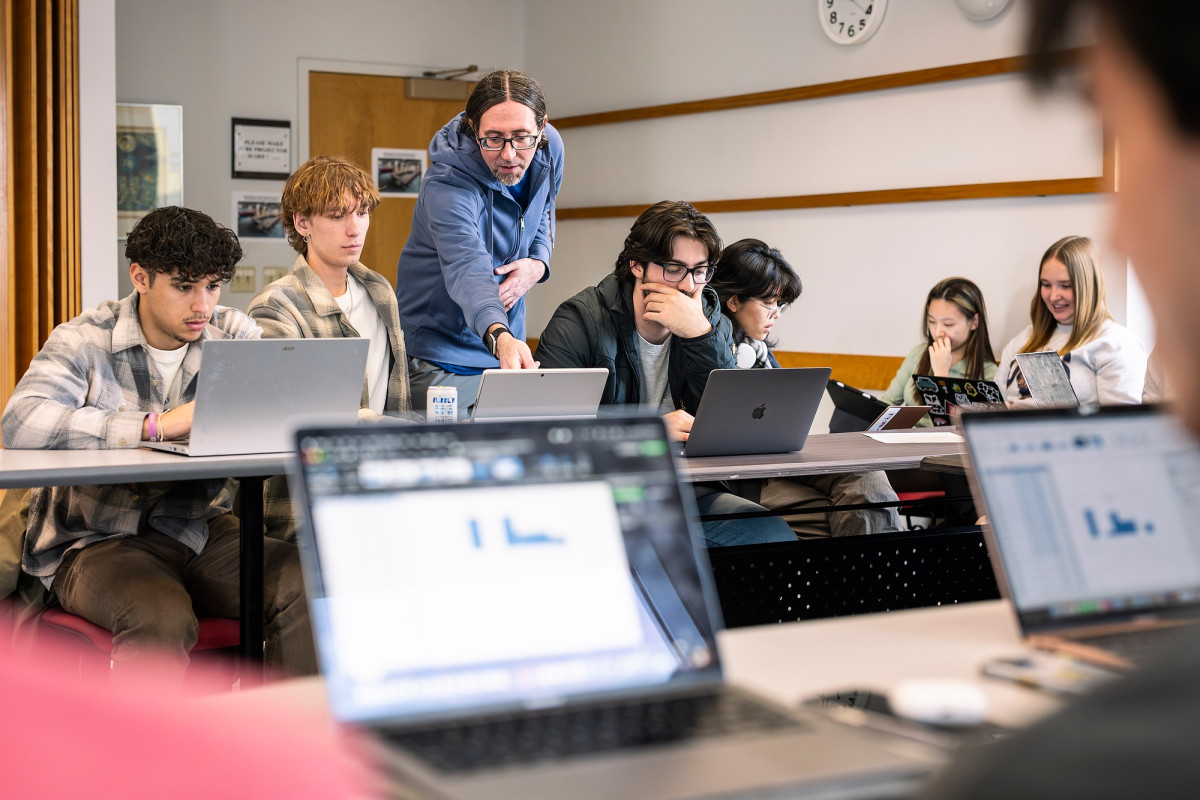
C. Shawn Green has been able to accomplish something rare: teaching students how learning happens and inspiring them to actually put the techniques into action. That approach grew from an experience with a discouraged student who struggled with the material and the exam. Green realized the issue wasn’t ability or effort, rather, it was misplaced effort. Green saw the opportunity to tap into his research into human learning and neuroplasticity to help teach this student — and so many others like them — how to study.
Since then, Green has grounded his psychology courses in the science of learning. He helps students replace ineffective habits with those that encourage true understanding. His classes emphasize active, experiential learning rather than simply encountering content. Students routinely say his courses reshape how they study throughout the rest of their college careers.
Green resists anonymity and builds genuine connection. Even in large lectures that can easily exceed 300 students, Green makes a point to regularly address each student by name.
“Professor Green’s approach not only engenders [students’] respect and trust but also provides them with learning practices that will continue to reap rewards throughout their college career and beyond. Thus, his impact on students’ success truly extends far beyond their time in his class and the specific content.” — Professor Allyson J. Bennett
Chancellor’s Distinguished Teaching Award
Raquel Kennon
Associate professor, English, College of Letters & Science
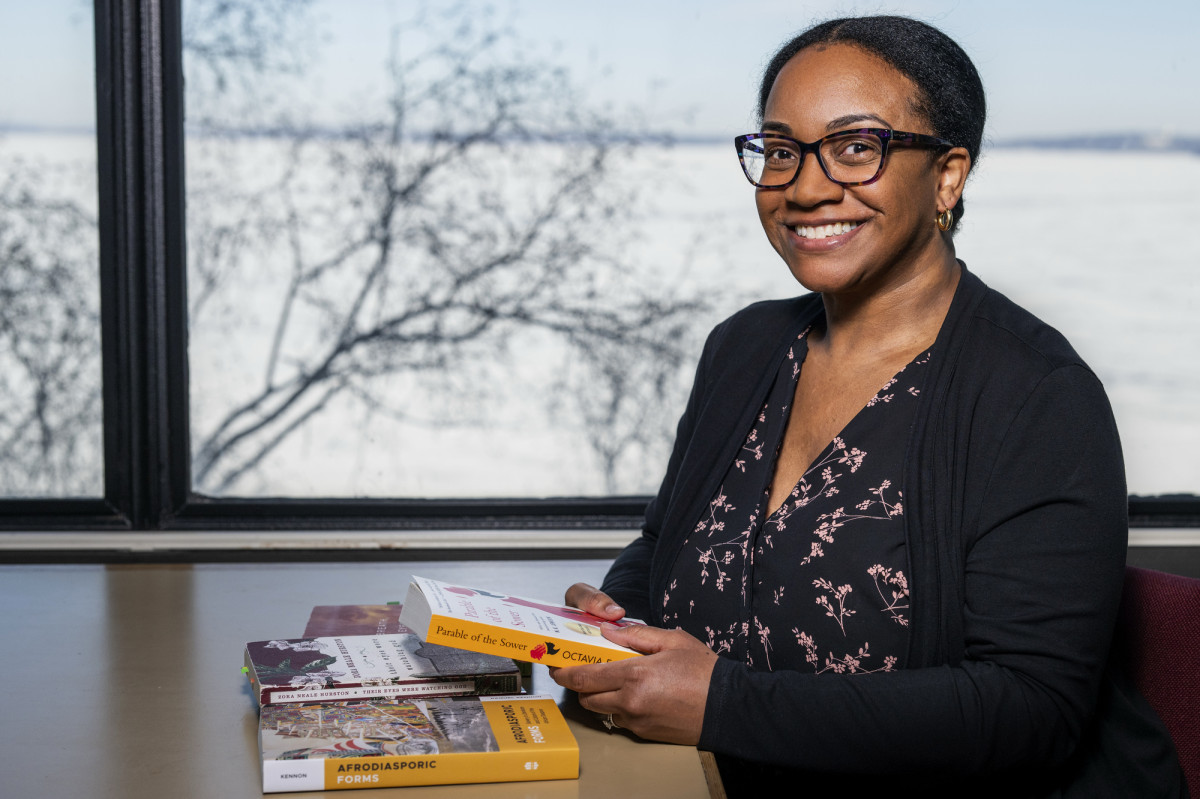
Raquel Kennon teaches literature but describes her classroom as a laboratory. She prioritizes the testing of ideas, discovery through discussion and using literature to bridge and better understand the past and the present.
Kennon is especially known for her skill as a discussion leader, promoting what she calls “courageous conversations” among her students. She designs courses around collaborative inquiry and carefully scaffolded assignments that encourage intellectual risk-taking. Students learn not only to analyze texts, but to examine how narratives of race, power and belonging continue to shape the world they inhabit.
Equally distinctive is her commitment to access for students who might be navigating a large institution for the first time. Kennon makes the “hidden curriculum” of the university visible, providing students with clear frameworks, resources and pathways for success. Her use of multimodal projects and campus resources helps students connect the study of literature to their lived experience and to public life.
“I cannot state strongly enough what a gift — and what a service — Raquel offers, stepping in (and stepping up) with unparalleled care, kindness, commitment, generosity, and labor. She is the best of us.” — Professor Sarah Ensor
Chancellor’s Distinguished Teaching Award
Jonathan E. Martin
Professor, atmospheric and oceanic sciences, College of Letters & Science
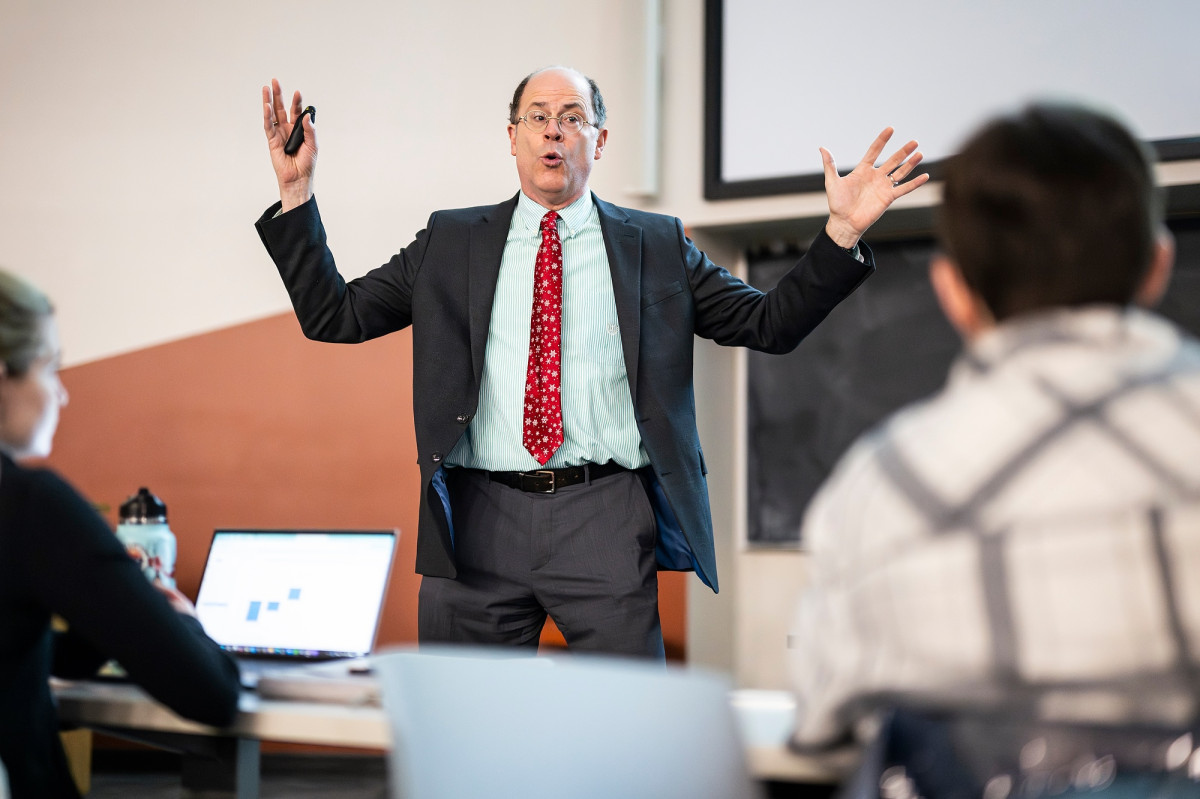
In his three-plus decades at UW–Madison, Jonathan Martin has shaped generations of students by modeling the curiosity and discipline that drive scientific discovery. Wisconsin residents may know him as one of the “Weather Guys,” a testament to his dedication to bringing science to the public, but his students know him as a professor who can transform clouds, fronts and pressure systems into a source of natural wonder.
In his Atmospheric and Oceanic Sciences 100/101 classes, one of the most popular introductory physical science classes on campus, Martin urges students to “minimize what they memorize,” guiding them instead toward reasoning, storytelling and the synthesis of theory and observation. In his advanced courses, students lead real-time weather presentations followed by whole-group feedback sessions that teach them how to communicate complex scientific ideas with precision and clarity.
Students who have weathered storms of their own — whether academic or personal — credit Martin for his steady encouragement, joy and kindness that help them feel connected not only to the course material, but also to campus and their peers.
“Professor Jonathan Martin continues to exemplify the fundamental role of an educator: to inspire us — individuals and communities — to critically think and care deeply about our world, and to embrace the joy that comes with discovery and understanding. For nearly three decades, Professor Martin has instilled that joy in literally tens of thousands of undergraduate students, graduate students and mentees, colleagues, and the broader community.” — Professor Daniel J. Vimont
Chancellor’s Distinguished Teaching Award
Sean Schoville
Professor, entomology, College of Agricultural & Life Sciences
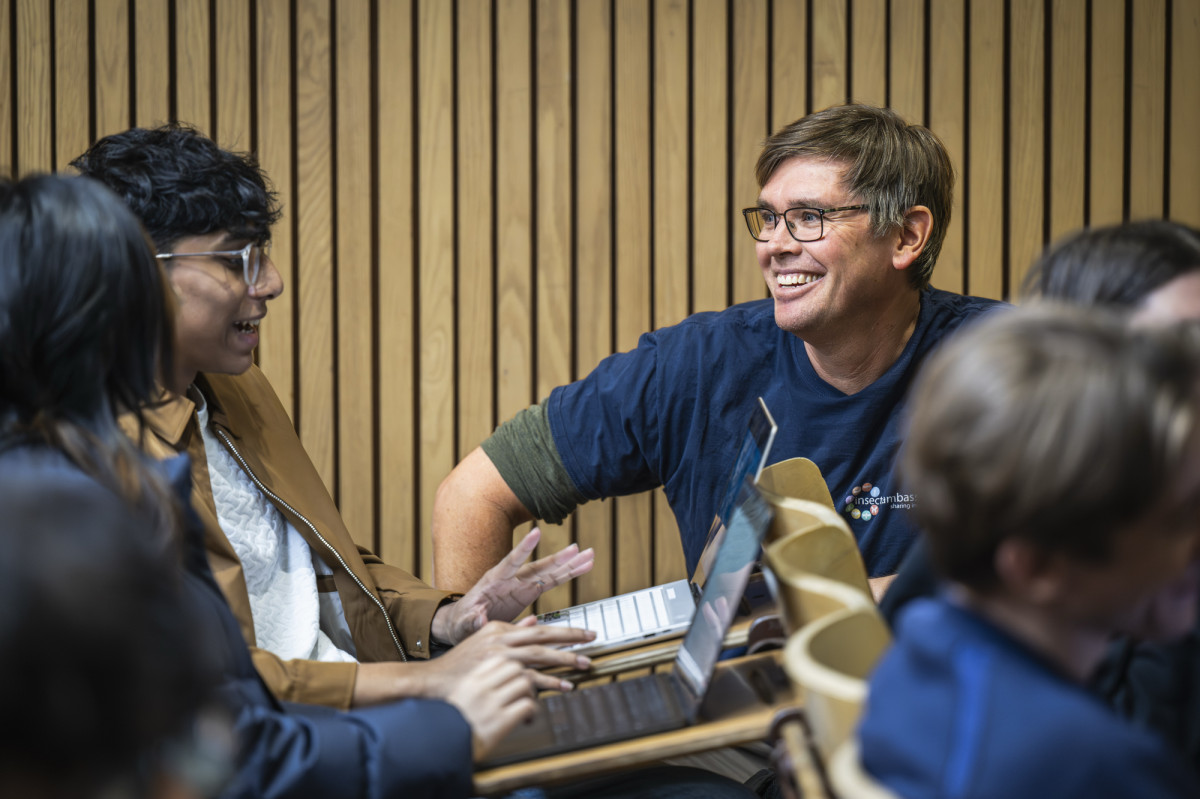
On the first day of “Insects and Human Culture,” Sean Schoville hands students a living organism — the Manduca sexta — and asks them to observe it. By semester’s end, students who simply needed a science credit have raised an insect from egg to adult and learned what it means to think, work and communicate like a scientist, and how to interact with the world around them.
Schoville’s teaching emphasizes this sort of hands-on inquiry and learner-centered design. Even his large-enrollment courses blend observation, group discussion and creative assignments to connect biological science to daily life, the environment and society at large. He does this through a wide range of topics that touch on everything from insect anatomy to pest management in agriculture.
Schoville is also known for his mentorship of both undergraduate and graduate students, creating opportunities for students to discover their own pathways into science. Many students credit his courses with changing how they see science and their place within it.
“Dr. Schoville has successfully developed very engaging teaching practices that excite students during each class, help them dive into science, and become self-motivated. His teachings emphasize how biological science connects to our personal lives, society, and the environment around us.” — Professor Christelle Guédot
Chancellor’s Inclusive Excellence Teaching Award
Colleen Conroy
Assistant professor, theatre & drama, School of Education
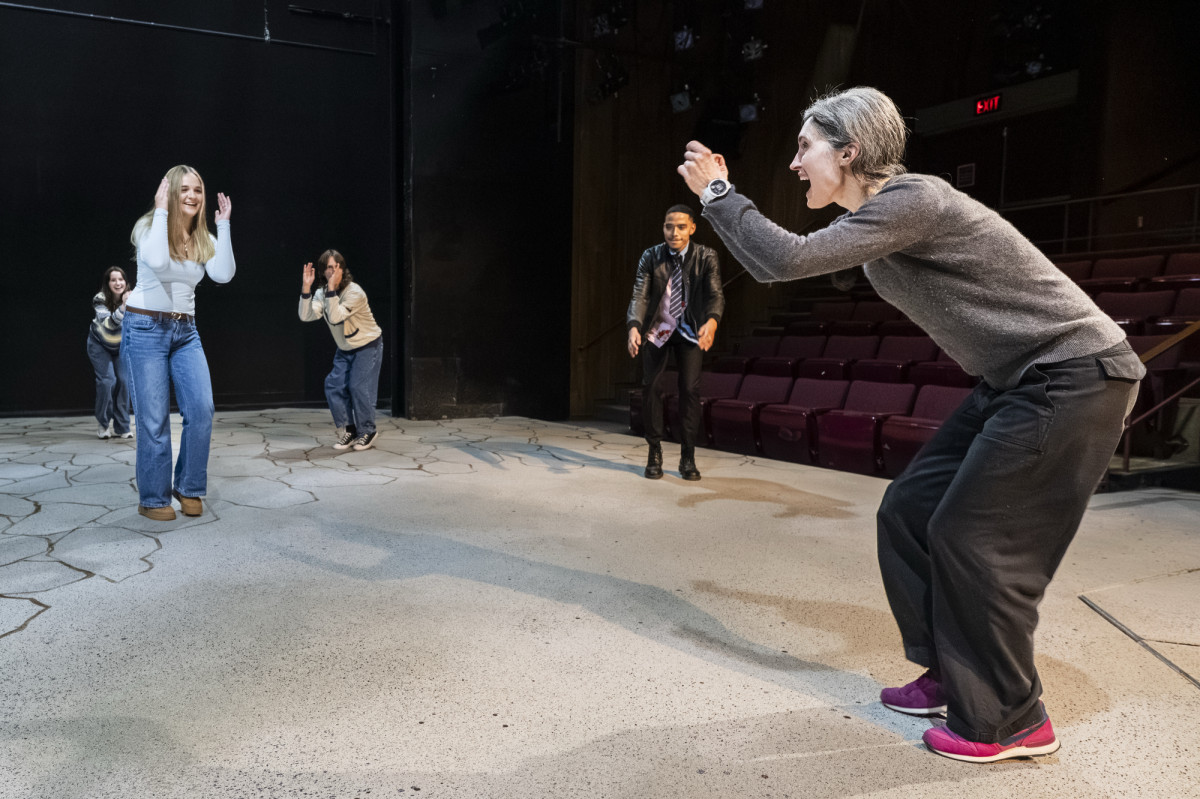
While some teachers might ask students to quiet down, Colleen Conroy wants her students’ voices to be heard. Conroy believes voice training is inseparable from identity. She does not ask students to neutralize their accents or take on someone else’s voice. Instead, she guides them in exploring how their own voices work — and what it means to be heard — across language and culture.
A turning point came when a student performed a monologue in their native Mandarin. Recognizing that her curriculum did not yet make room for such work, Conroy redesigned her courses to allow performance in students’ heritage languages. The impact was immediate: performances grew more nuanced. Students felt more seen.
Prioritizing experimentation and reflection creates space for students to take risks without penalty. That inclusive approach extends beyond the classroom. Outside of her work at UW–Madioson, Conroy also plans and delivers gender-affirming voice work, in partnership with clinicians and community partners, to support transgender and nonbinary individuals. The focus becomes less on polished performances and more on awareness and growth.
“Colleen has built connections with students, partners in public health, art therapy, game design, counseling psychology, and speech-language pathology. She has leveraged those connections to strengthen her own teaching and to bring her expertise to communities that would otherwise not have access to arts-based approaches.” — Professor Erica Halverson
Chancellor’s Inclusive Excellence Teaching Award
Tiffany L. Green
Associate professor, obstetrics and gynecology and population health sciences, School of Medicine & Public Health
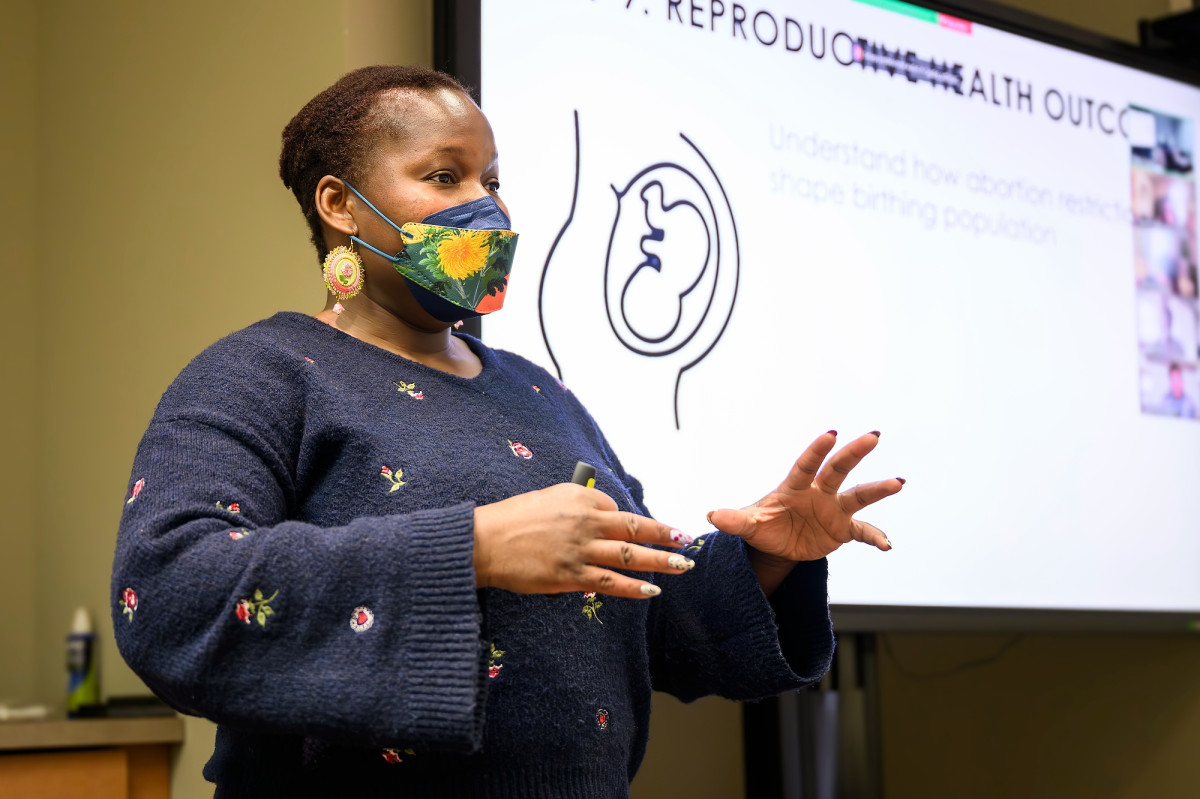
Students come to Tiffany Green’s courses for information and insight into population health disparities that will enhance their training in obstetrics and gynecology; they often leave with a fundamentally different understanding of how medicine and public policy are not neutral systems, but human ones, shaped by history, power and choice. Across population health and medical education, Green asks her students to examine assumptions — both their own and those embedded in scholarship, policy and their own training — and to sit with that complexity instead of dismissing or rushing past it.
Her courses also move learning beyond the classroom and into public life, requiring students to translate scholarship for clinical, community and policy contexts. In “Race in American Obstetrics and Gynecology” — the first such course at UW–Madison and among the first nationally — medical students trace how racialized medical theories shaped the profession and continue to influence health outcomes today.
Through her teaching, Green equips future clinicians, researchers and policymakers to study hard truths and translate that understanding into action.
“Dr. Green is not just an extraordinary teacher. She is an innovator, mentor, and advocate. I carry the lessons from her course with me in my daily approach to patient care as an OBGYN resident. Now, in my own role as an educator for medical and physician assistant students, I strive to emulate her approach that is so grounded in the perfect balance of rigor and compassion.” — Former student Dr. Annalise M. Panthofer
Chancellor’s Teaching Innovation Award
Łukasz Wodzyński
Assistant professor, German, Nordic & Slavic+, College of Letters & Science
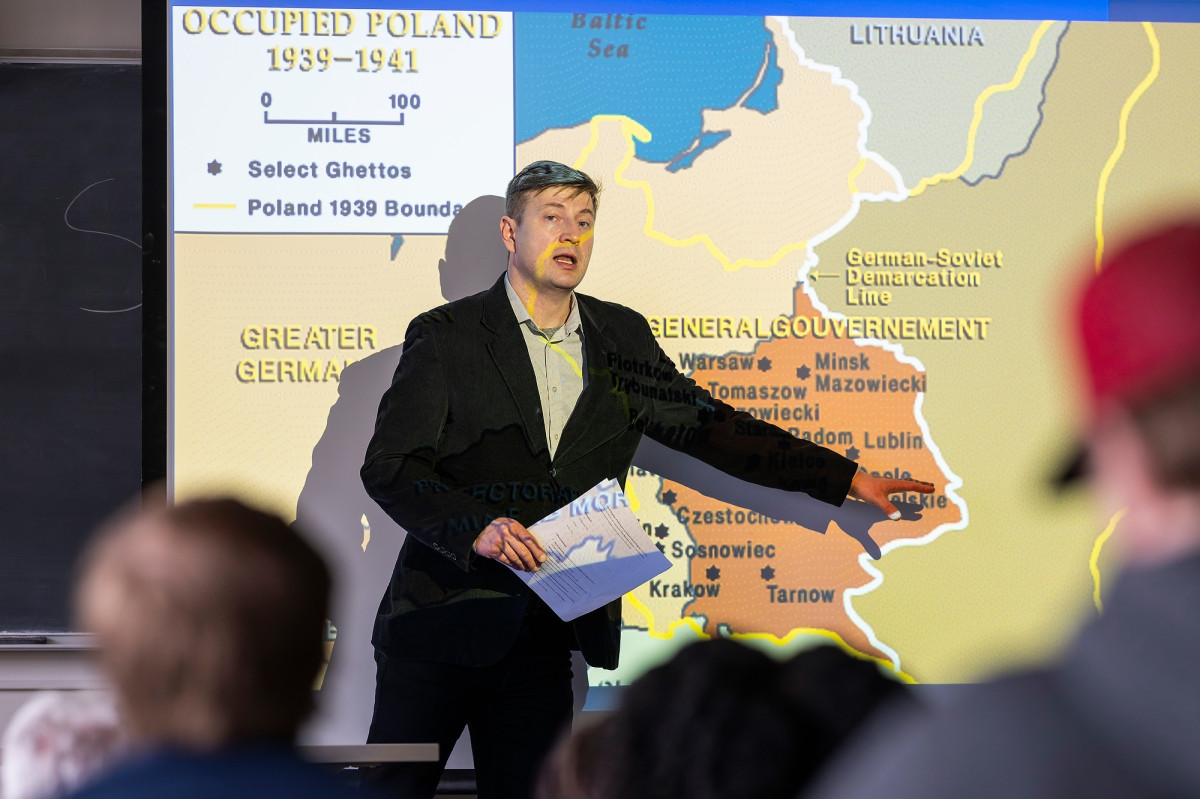
Since joining UW–Madison in 2019, Łukasz Wodzyński has played a central role in revitalizing Polish Studies, guided by a singular question: What can Poland’s dramatic cultural history teach us about the human condition?
The result has been a redesigned slate of innovative and thematically rich courses — from Polish cinema and post-communist culture to literature of the fantastic — attracting students from across campus and generating renewed interest in the Polish major and Slavic Studies certificate. This is no small feat given the department’s focus on less-commonly-taught languages and cultures.
His impact reaches beyond the rejuvenation of the Polish Studies program at UW–Madison. Wodzyński creates learning environments that are both academically challenging and deeply welcoming. Students describe his lectures as electric and his discussions as engaging. Through creative assignments, humor and the care he shows his students as individuals, he transforms each class into a community of learning — one that often sticks with them long after they leave his classroom.
“His classes were among the most transformative I took at university. Łukasz cultivates not just students, but thinkers, individuals who know how to research, reason, and engage in meaningful dialogue. These are the kinds of people we need more of in the world, and his teaching plays a vital role in shaping them.” — Former student Julia Paciorek
Class of 1955 Teaching Excellence Award
Sam Pazicni
Assistant professor, chemistry, College of Letters & Science
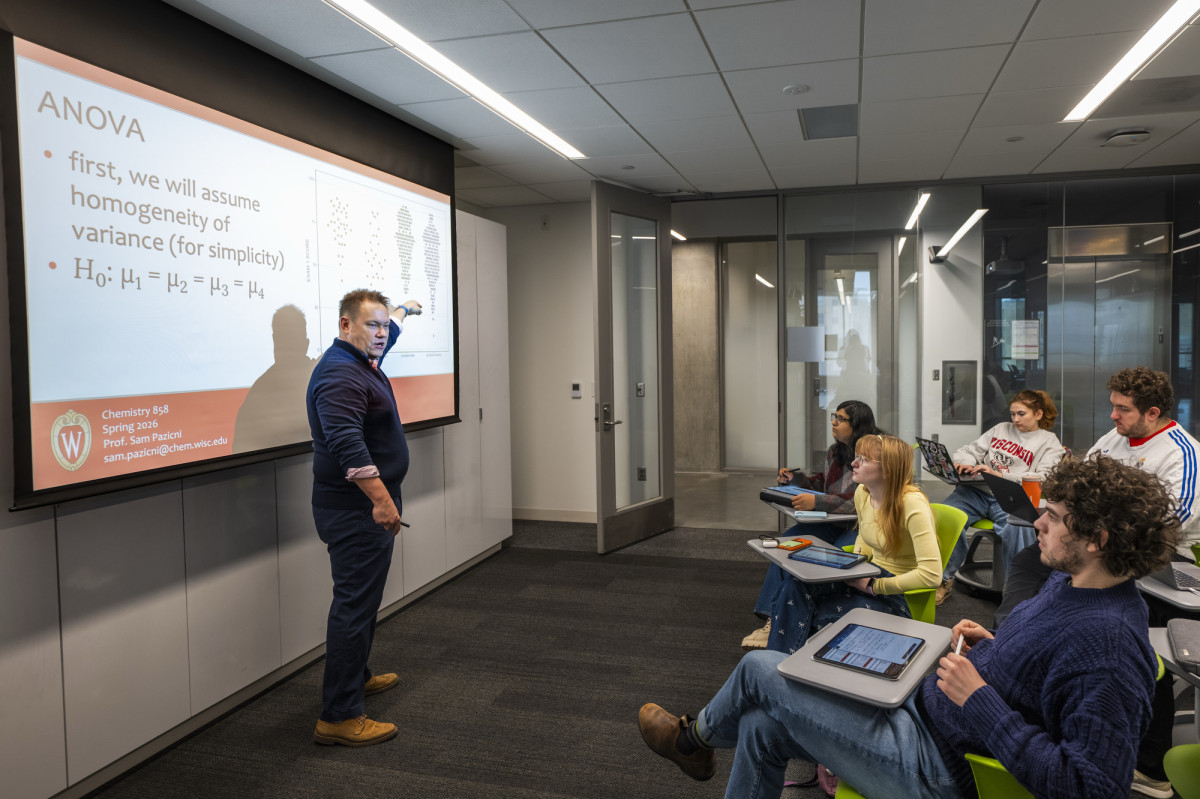
Sam Pazicni believes in the power of education. He views it not only as a unique opportunity for students to build their own expertise, but also as a collaborative effort grounded in the belief that “education is a shared act of creation and learning is the product we make together.”
With that philosophy, he has led a collaborative transformation of introductory chemistry at UW–Madison. In courses that enroll nearly 900 students each fall, Pazicni has shifted curriculum away from rote memorization and toward experiential learning, asking students to model chemical phenomena, interpret data, collaborate with peers and explain their reasoning. The result is a culture that treats students not as passive gatherers of information, but as emerging members of a scientific community whose thinking and contributions are both sought-after and valued.
Pazicni has expanded the very idea of what introductory science can be — opening the door to chemistry for thousands of students and inviting them to step through it as capable and curious scientists from the very beginning.
“Dr. Pazicni has had a profound impact on my education. He is a thoughtful, rigorous, and deeply student-centered educator, and his mentorship has opened doors for me in and beyond research. His course and the experiences I have had in research and as a peer leader have shaped my scientific thinking and helped me be successful on the path I am pursuing today.” — Student Austin MacIntyre
William H. Kiekhofer Teaching Award
Brandon Bloch
Assistant professor, history, College of Letters & Science
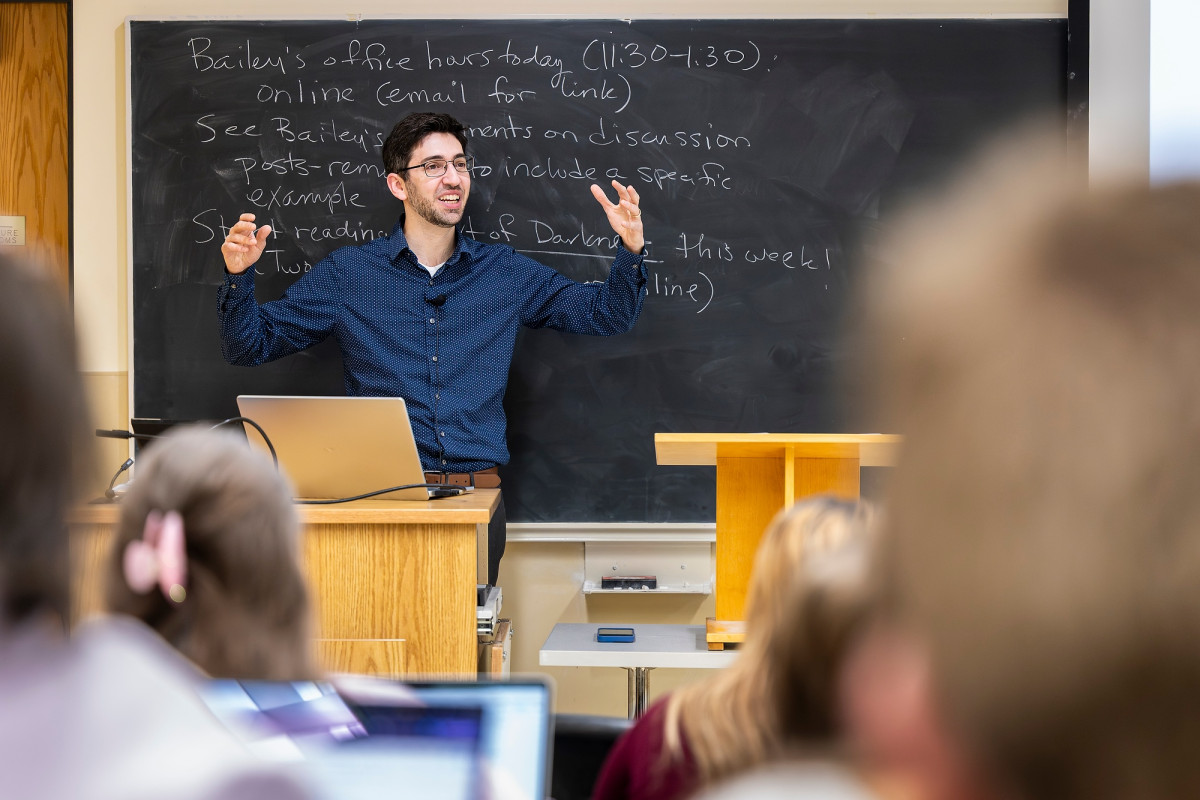
As a professor of modern European and German history, Brandon Bloch encourages students to step into the role of working historians — actively examining and interrogating who is speaking, for whom, under what conditions and with what power. This is especially important when considering some of the multi-faceted topics of his classes, which include religion, nationalism, democracy and war crimes.
Bloch has augmented his courses to equip students with the tools to discuss controversial contemporary issues through a historical lens, which can result in empathy for the ways people come to their beliefs. This, in turn, allows students to evaluate their own points of view. These critical thinking skills extend well beyond the classroom, with one former student even noting that Bloch’s goal “seems to be making his students well-rounded citizens of the globe.”
Bloch cares for his students as individuals as well. In lectures of more than 100 students, he learns every name and ensures he has individual conversations with each student over the course of the semester.
“Learning history at its highest level conveys not just knowledge in the forms of facts, but also wisdom in the form of a more mature perspective on the world and the ways that human beings experience it. Dr. Bloch achieves this: he takes some of the hardest topics and themes imaginable — ones that remain raw in our own time — and creates opportunities for students to emerge both smarter and wiser.” — Professor Neil Kodesh
Emil H. Steiger Teaching Award
LB Klein
Assistant professor, Sandra Rosenbaum School of Social Work, College of Letters & Science
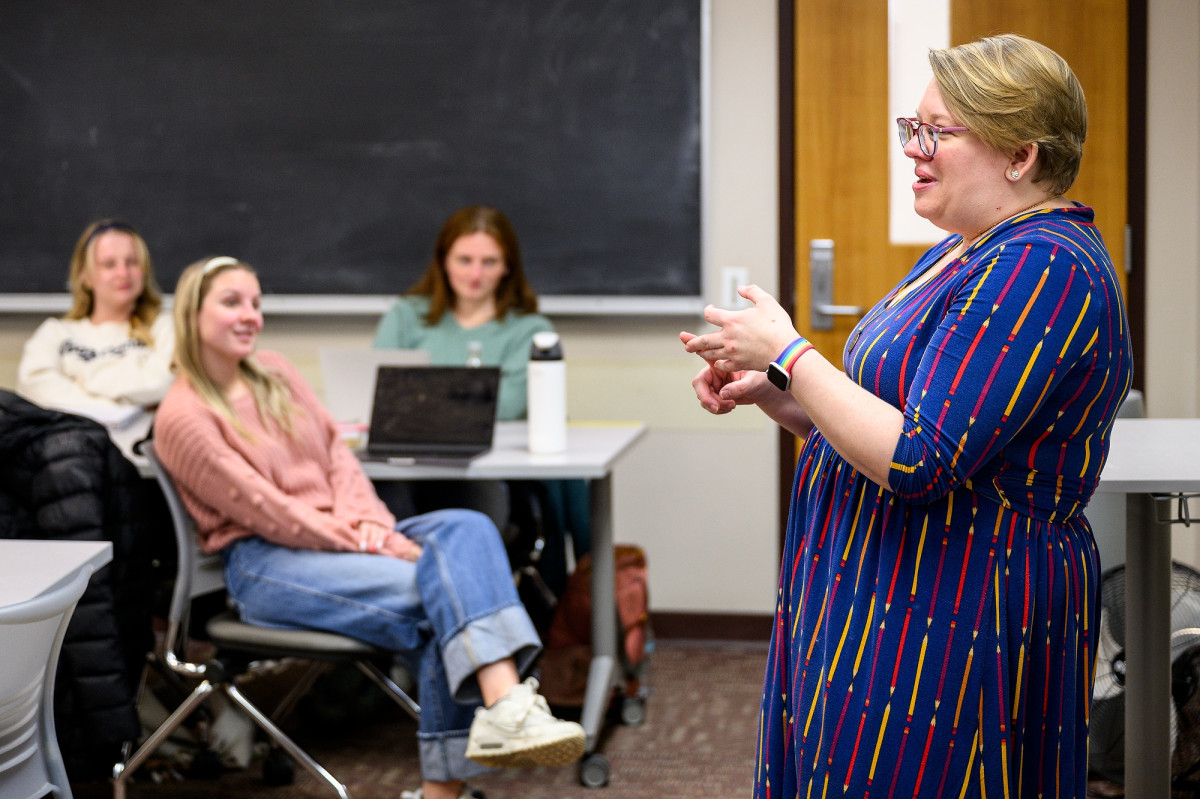
For LB Klein, it is important for students to learn how to maintain their humanity while doing some of the hardest work there is. Preparing for a career in social work, community practice and helping professions is both mentally and emotionally taxing. Students regularly engage with topics around violence, identity and structural harm in their coursework and training. They know they will be asked to intervene in situations where circumstances have already gone wrong, often with limited time and few resources. Klein addresses this reality head-on, asking students to develop a plan for personal sustainability and self-care early on in the semester.
Despite the weight of the subject matter, students describe Klein’s courses as places of community and connection. Each class begins with a collective affirmation like, “There is room at the table for me,” followed by time to reflect on and share what has brought students joy that week. Through this seemingly small act, Klein emphasizes the importance of cultivating joy in uncertain times.
“LB Klein is an extraordinary teacher whose profound commitment to students is evident in every aspect of their work. Their teaching is thoughtfully designed, clearly delivered, and deeply supportive of students’ learning. In LB’s classes, students are informed and inspired.” — Clinical Professor Laura Dresser
Van Hise Outreach Teaching Award
Kevin Mullen
Assistant professor, liberal arts & applied studies, Division of Continuing Studies
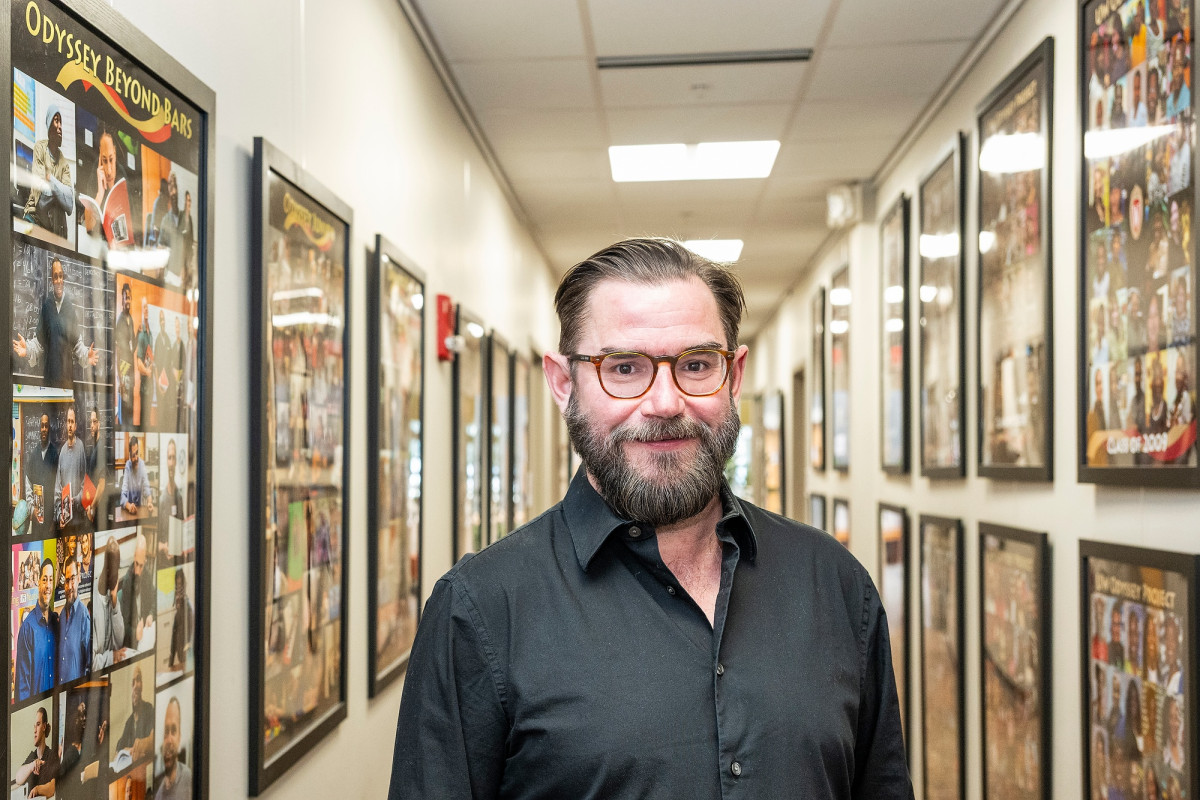
Kevin Mullen begins with an invitation to his students: to see themselves differently. He teaches adult learners — incarcerated students and adults navigating poverty and other barriers to education — many of whom have been told that college is not for them. They arrive in his classroom with life histories marked by domestic violence, substance use and food or housing insecurity. In Mullen’s classes, those experiences are sources of insight and authority, not something to hide. Writing and speaking from their own lives, many of his students come to believe in a new version of themselves, a version that not only belongs in a college classroom but also has something essential to say.
To say that his teaching is life-changing would be an understatement: Through the UW Odyssey Project and Odyssey Beyond Bars, Mullen has built new pathways into higher education for adult learners. Students describe his classrooms as places where they learn to write, trust their thinking and find their voices. Thanks to him, many of them have.
“Professor Mullen is not simply an educator; he is a lifeline, a mentor, and a source of light for students both inside and beyond the classroom. His teaching transcends lectures and lessons; it embodies empathy, resilience, and the transformative power of human connection through education.” — Student Char Braxton
Wisconsin Idea Teaching Award
Melissa Kono
Professor, Community Development Institute, Division of Extension
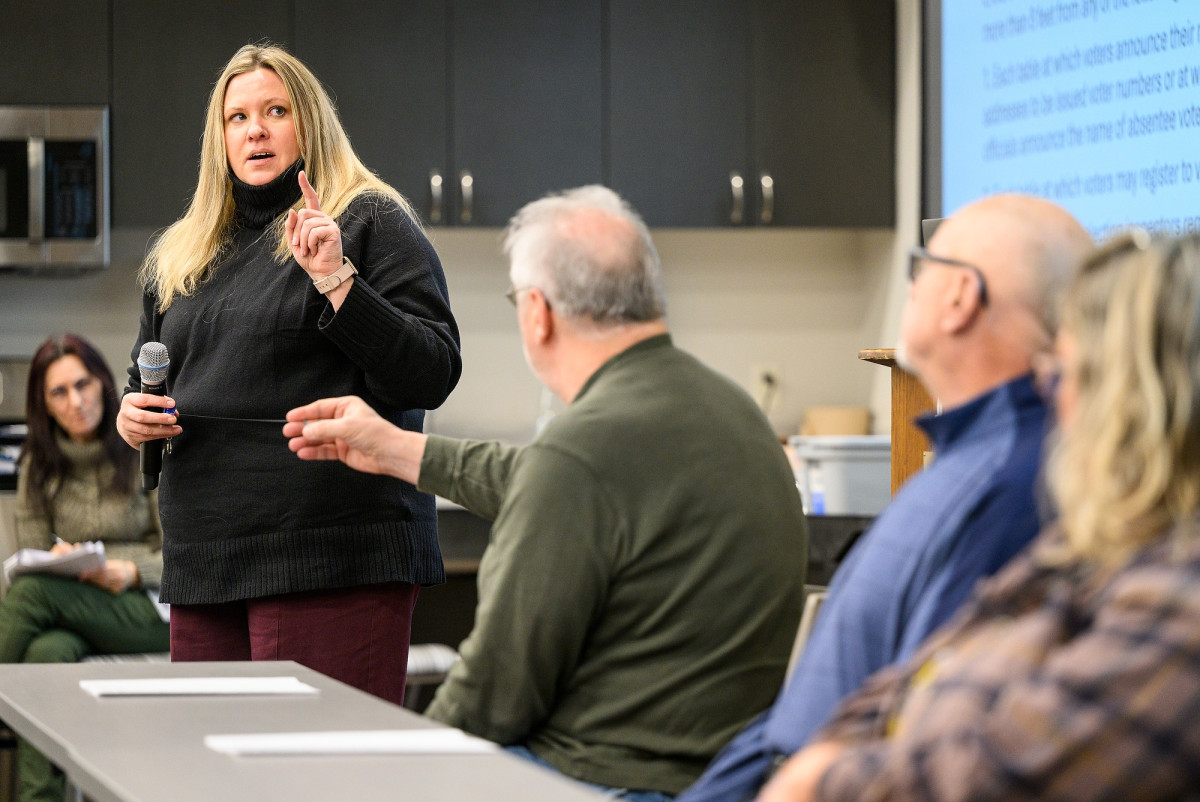
Melissa Kono meets her students where they are — literally. Her classroom is the town halls, county buildings and community rooms of rural Wisconsin, and her students are town clerks and election workers responsible for administering elections and sustaining public trust in the democratic process.
As an Extension educator, Kono designs and delivers nonpartisan election training for hundreds of election workers each year, drawing on her own experience as an elected town clerk. She ensures participants understand procedures and the reasoning behind them in order to make sound decisions under pressure. Central to Kono’s work is her belief that the Wisconsin Idea is fundamentally reciprocal. She listens closely to rural election workers and has conducted research on perceptions of election security, amplifying voices often missing from national conversations.
But Kono’s impact is felt most clearly at the local level. Clerks describe her courses as essential to their work. Through election training initiatives and statewide partnerships, Kono continues to expand access to high-quality professional education for rural officials.
“Her career is an outstanding example of what outreach education to rural Wisconsin can achieve when it is rooted in community, driven by data, and led with compassion and innovation.” — Professor Patricia L. Malone