UW–Madison researchers awarded prestigious Sloan Fellowships
One of the oldest of its kind, the Sloan Research Fellowship program promotes research among some of the country’s best young scientists.
Six University of Wisconsin–Madison faculty members have been awarded prestigious Sloan Research Fellowships, honoring their creativity, innovation and research accomplishments.
The Alfred P. Sloan Foundation has named fellows every year since 1955, choosing researchers who stand out as the next generation of leaders in their fields.
“The Sloan Research Fellows are among the most promising early-career researchers in the U.S. and Canada, already driving meaningful progress in their respective disciplines,” says Stacie Bloom, president and chief executive officer of the Alfred P. Sloan Foundation. “We look forward to seeing how these exceptional scholars continue to unlock new scientific advancements, redefine their fields, and foster the wellbeing and knowledge of all.
There are 126 fellows from 44 institutions in the 2026 cohort, chosen from more than 1,000 nominees. Winners receive $75,000, which can be used to advance their research. UW–Madison has had 115 Sloan Research Fellows since 1955.
UW–Madison’s new Sloan Research Fellows are:
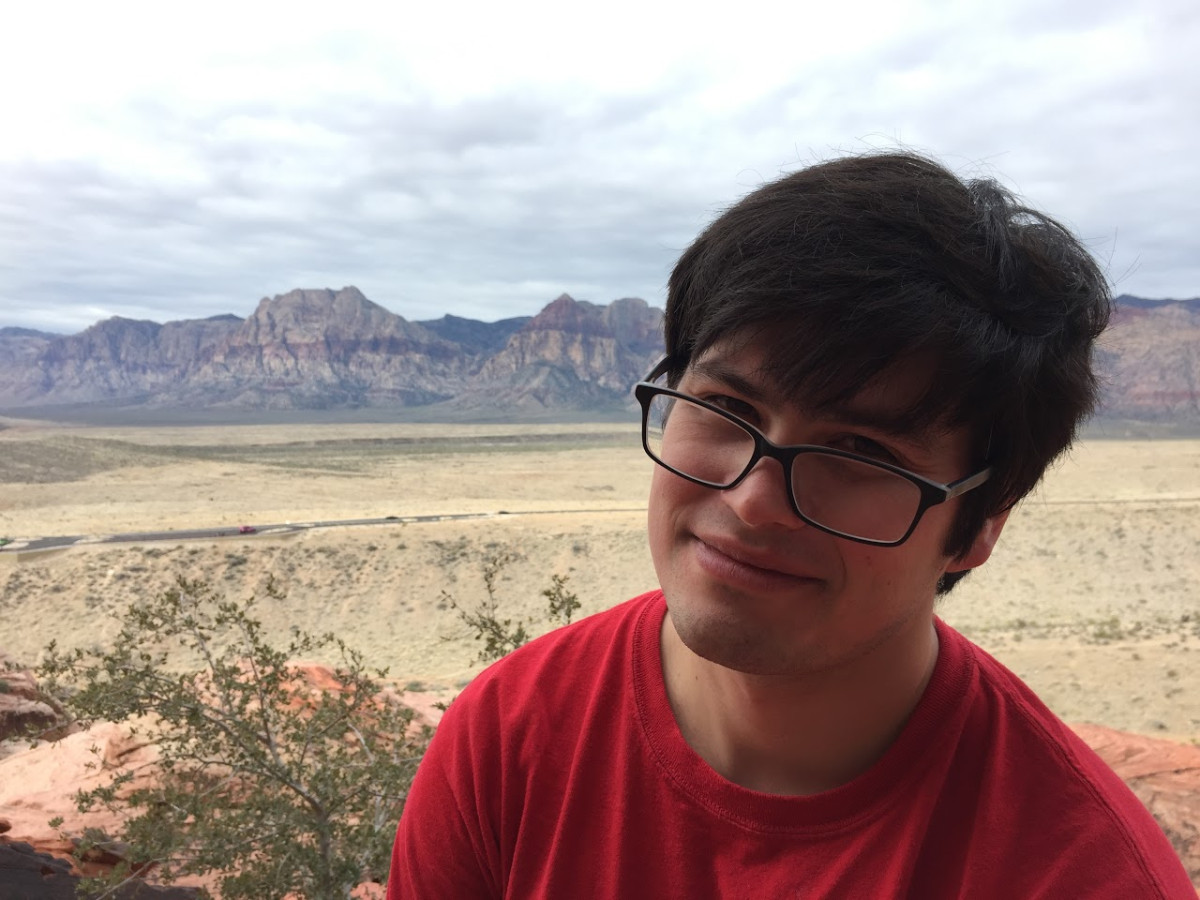
Dallas Albritton
Assistant professor of mathematics
Albritton studies pure and applied aspects of partial differential equations and fluid dynamics. Recently, he has focused on quantifying the predictability of fluid motion and whether solutions to the fundamental equations underpinning fluid dynamics are unique.
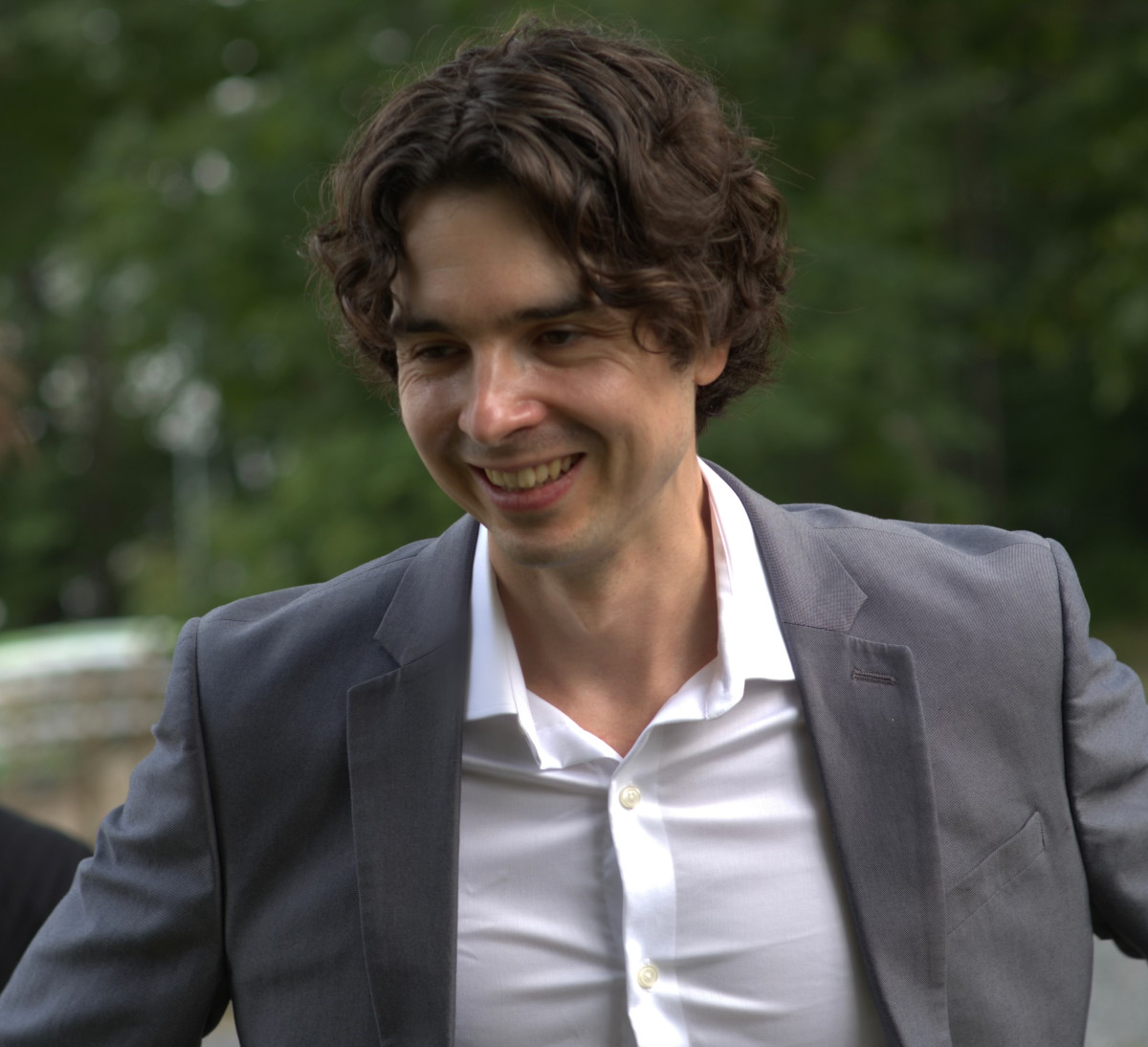
Paul Apisa
Assistant professor of mathematics
Apisa works on Teichmüller theory—how geometric structures and surfaces, like donut or pretzel shapes, can be stretched and transformed, and what paths those transformations trace over time. He is uncovering deep connections between the motion of these transformations and the hidden algebraic structure of the spaces they move through.
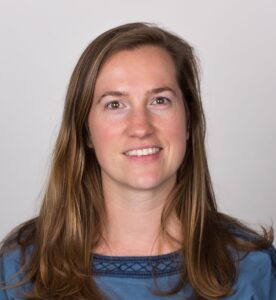
Annie M. Bauer
Assistant professor of geoscience
Bauer deciphers the tectonic processes that shaped the earliest continents and the incremental rise of oxygen in the atmosphere to describe how the Earth became a habitable planet. Her lab also works on refining analytical techniques using stable a radiogenic isotopes as clocks that can date and place rocks in their appropriate historical context on the planet and to trace processes like melting and weathering of rock.

Marcel R. Schreier
Richard H. Soit Assistant Professor of chemical and biological engineering
Schreier investigates fundamental questions in electrochemistry and electrocatalysis, including how electric fields drive chemical conversion and how and when energy is transferred during the catalytic cycle. Understanding these questions could lead to the development of new types of sustainable chemistry, including the electrification of the chemical industry and the interconversion of electrical and chemical energy, leading to new types of energy storage.
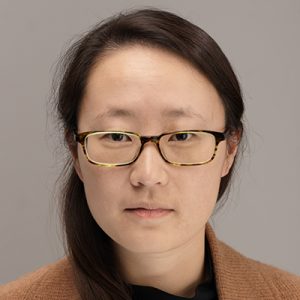
Tina Wang
Assistant professor of chemistry
Wang studies how the way proteins fold affect their function. Dysfunctional protein folding is a hallmark of many diseases, notably neurodegenerative disorders. Wang is interested in engineering molecular chaperones that can rescue misfolded proteins and improve healthy protein expression. Her lab is also working to improve sensors and gene circuits for use in synthetic biology and drug screening.
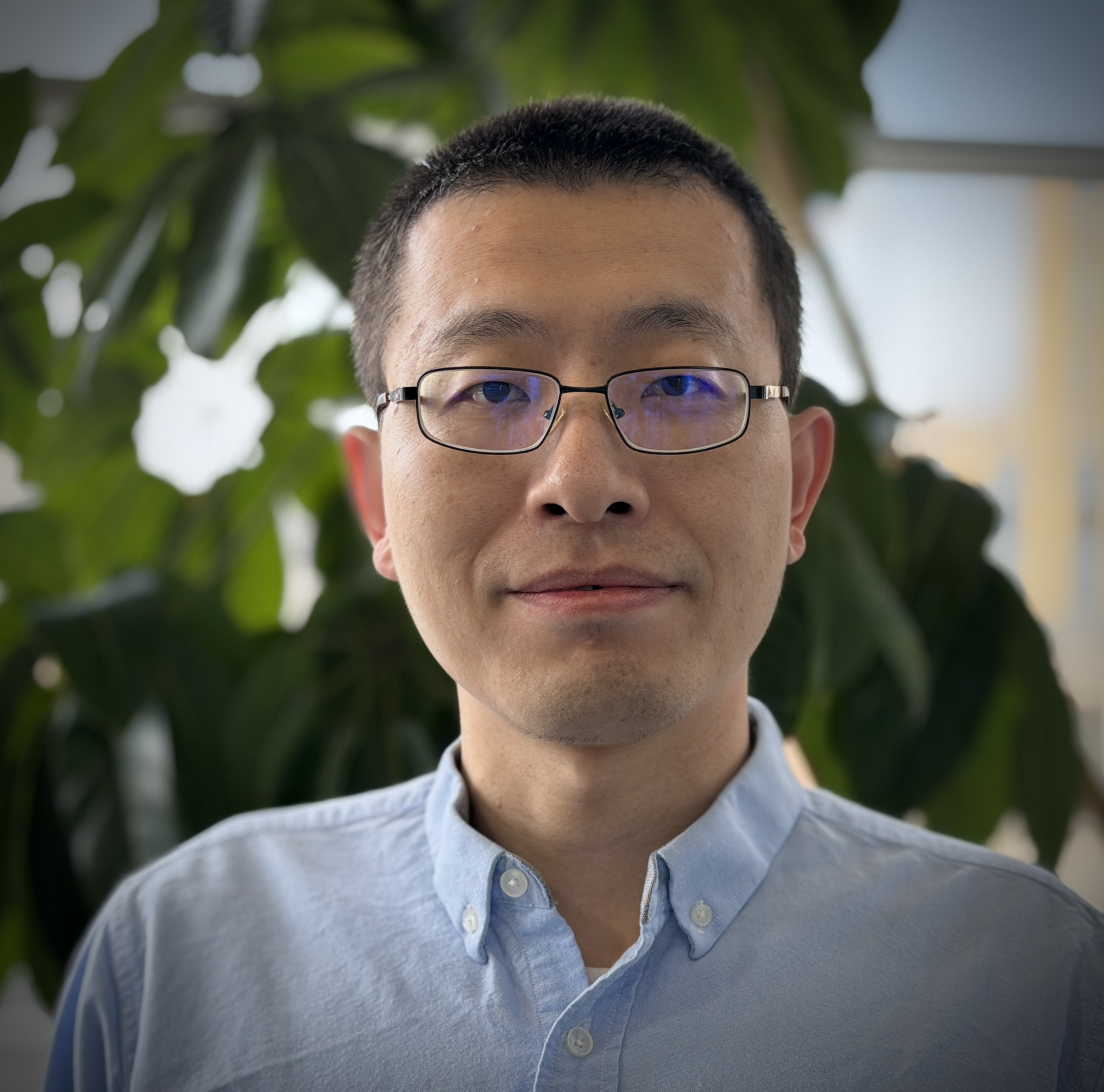
Yang Yang
Assistant professor of chemistry
Yang specializes in theoretical and computational chemistry. His group works on electric structure theory, which describes the motion of electrons in atoms and molecules. They introduced an innovative framework incorporating nuclear quantum effects into classical molecular dynamics simulations, bridging the divide between quantum and classical descriptions of nuclei. The approach shows promise for studying proton, hydrogen, and hydride transfer dynamics, which play important roles in biological processes and hydrogen-energy-related research.