The return of UW’s rarest books
After an 18-month hiatus, Memorial Library’s Special Collections — and its 300,000 invaluable objects — are accessible again.
Many of us know what it’s like to go down a rabbit hole in UW–Madison libraries, losing track of time while pursuing a research obsession. At Memorial Library, arguably the best place to get lost is Special Collections.
The ninth-floor wonderland is a portal to books, hand-written manuscripts, periodicals, maps, posters and other objects that are, well, special. They’re old, rare, fragile or invaluable and require delicate handling. Many are part of scholarly archives such as the Cairns Collection of American Women Writers, the Duveen Alchemy and Chemistry Collection, and the Fry Collection of Italian History and Culture. They’re stored in a secure, climate-controlled environment to keep them safe for knowledge-seekers into the 22nd century and beyond.
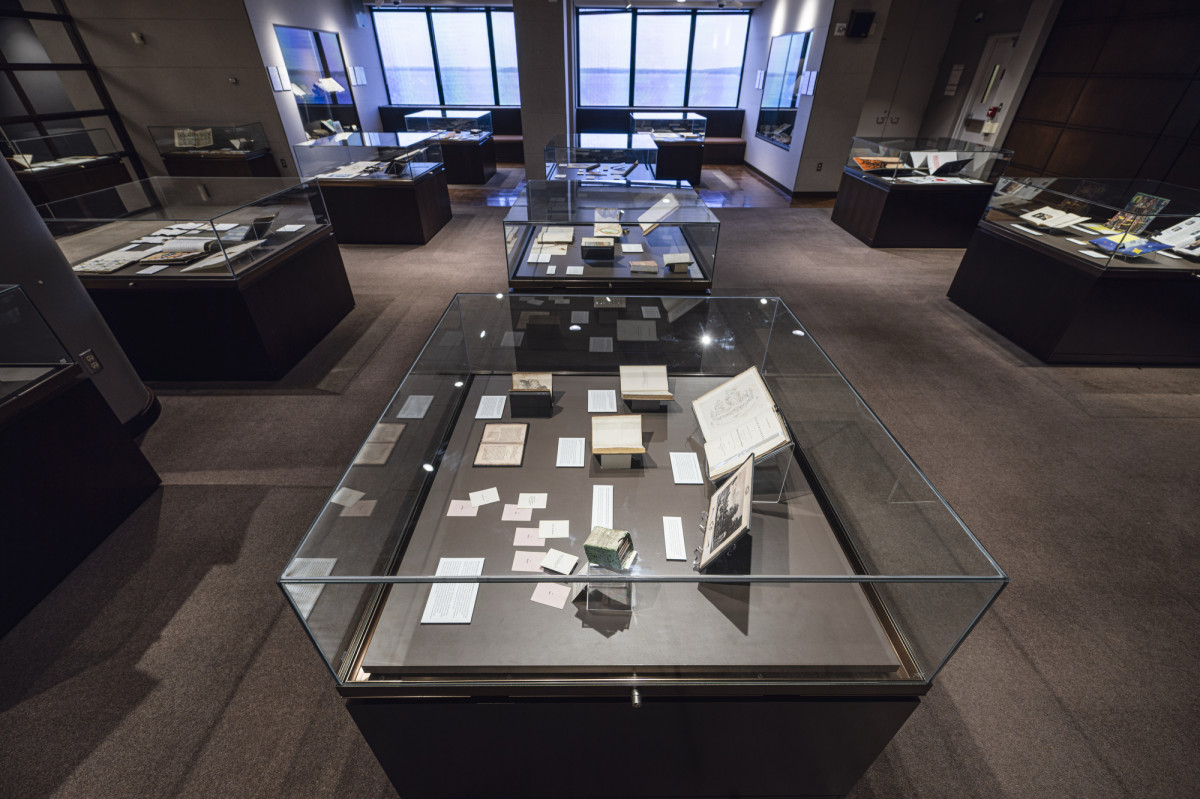
On August 24, Special Collections reopened its reading room and exhibition space after an 18-month renovation to the all-important fire-suppression systems. For visitors, accessing the vast holdings involves making an online request and having the treasures brought to you, like academic room service. Be advised that these beauties don’t leave the ninth floor, lest you expected to check out a 1st century B.C. papyrus fragment.
Special Collections dates to the 1940s, under the original name Rare Book Department. Through donations and purchases, it has amassed 300,000-plus objects, everything from a 1582 German bible to books from Isaac Newton’s personal library.
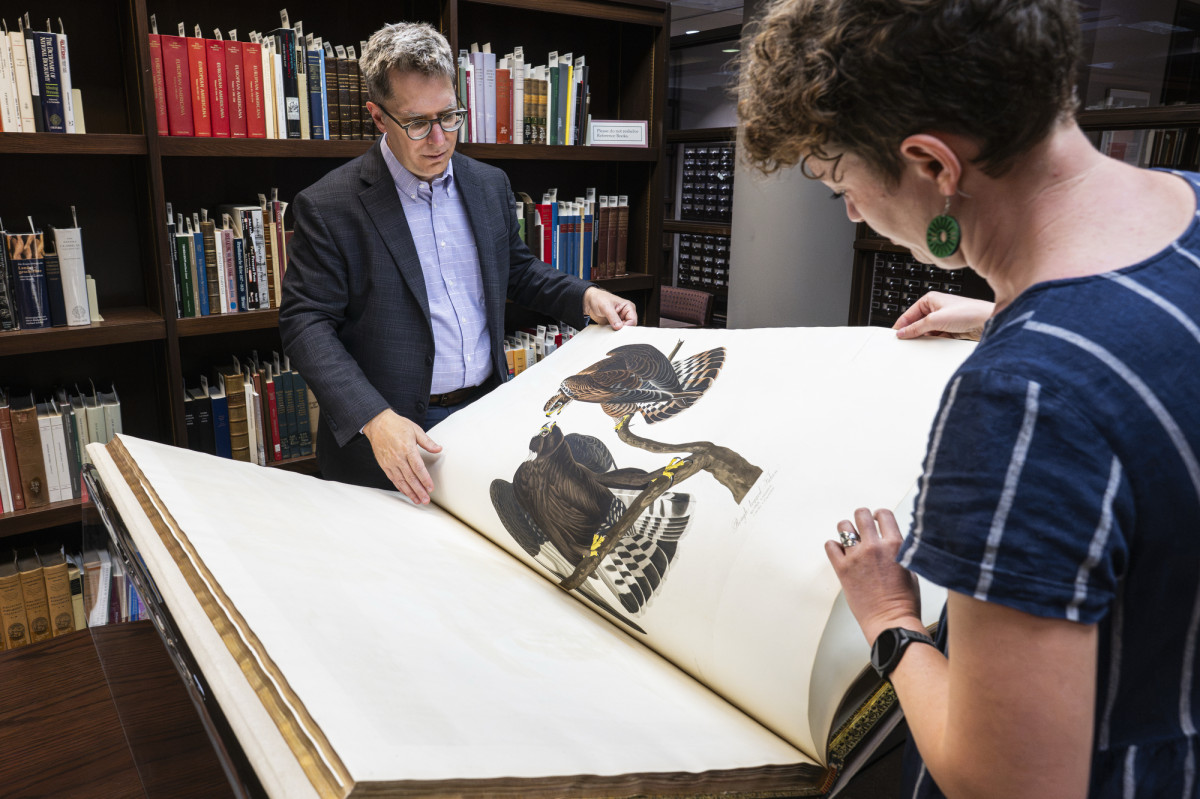
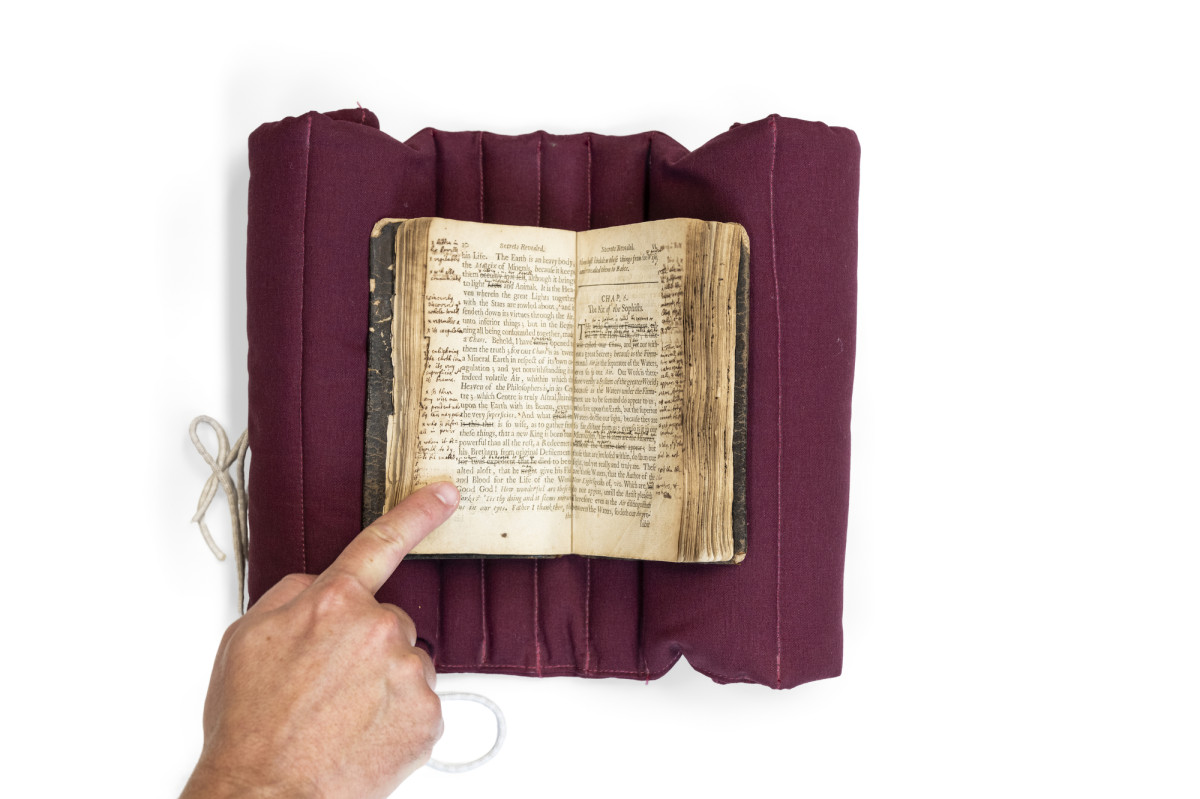
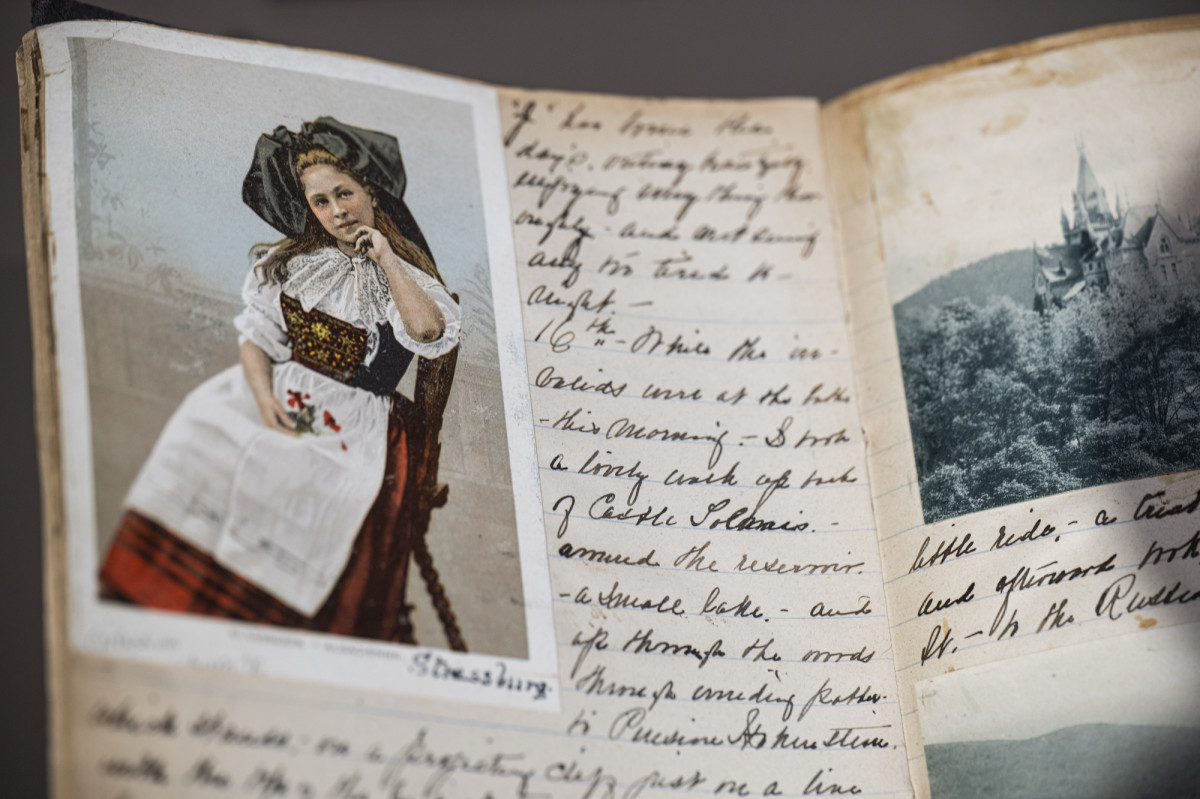
The collection’s strengths include literary magazines and natural history. Among its most renowned items are first editions of “The Birds of America” by John James Audubon and “Poems on Various Subjects, Religious and Moral” by Phillis Wheatley, both of which are used extensively in UW teaching and research.
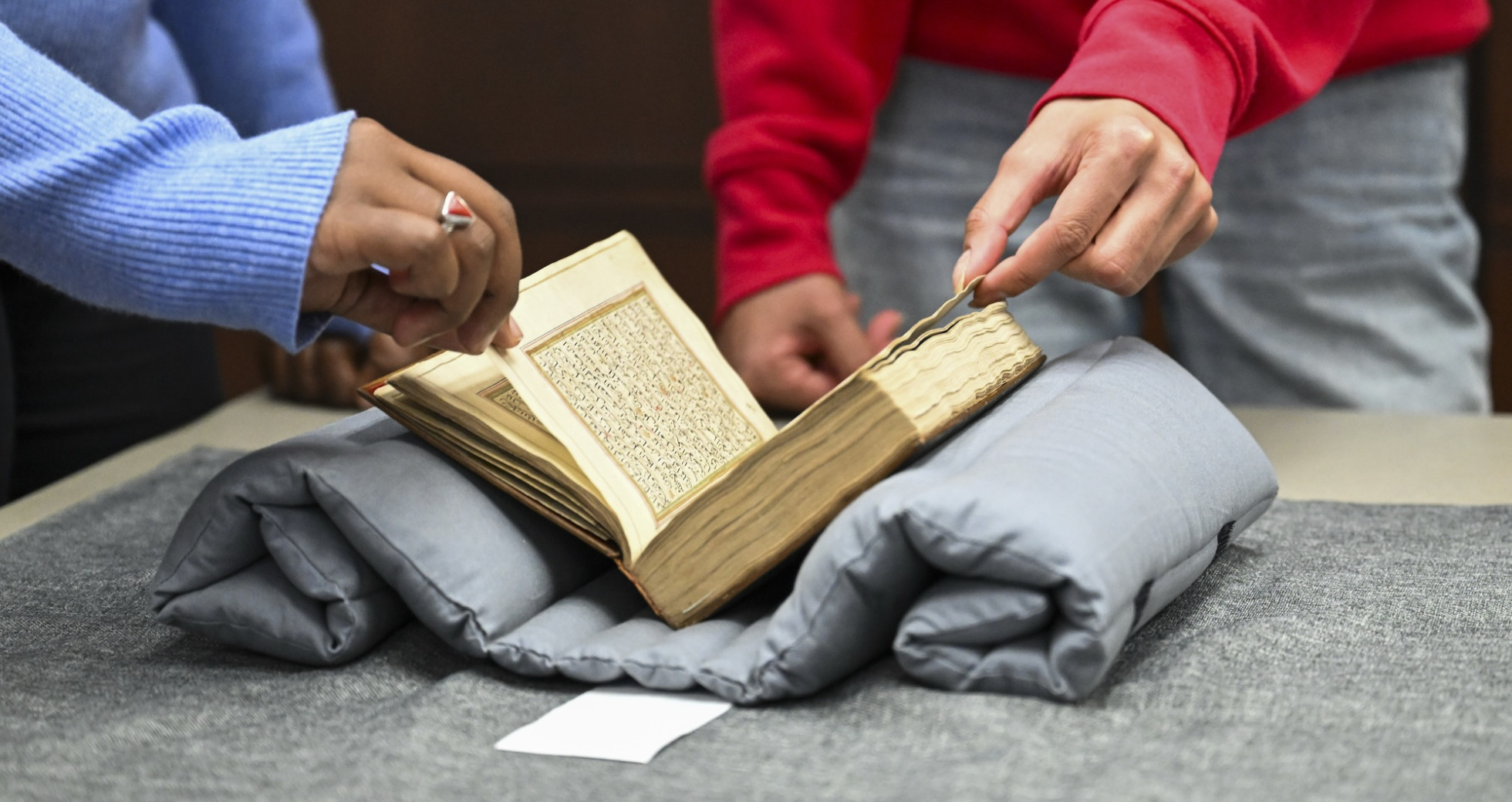
Indeed, the UW’s rare books don’t gather much dust. Scholars from around the world seek them out, as do students from dozens of UW classes each year. While a small fraction of the collection is digitized, the primary appeal is the chance to hold these extraordinary objects in your hands.
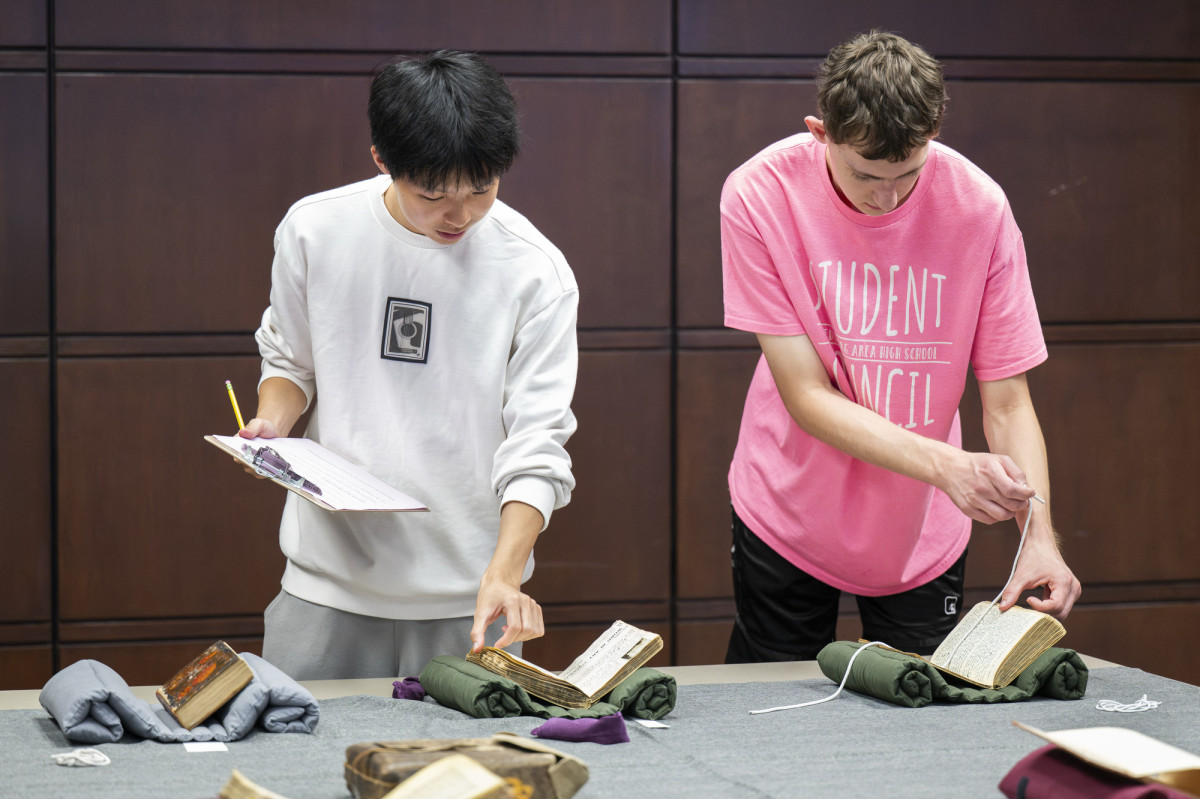
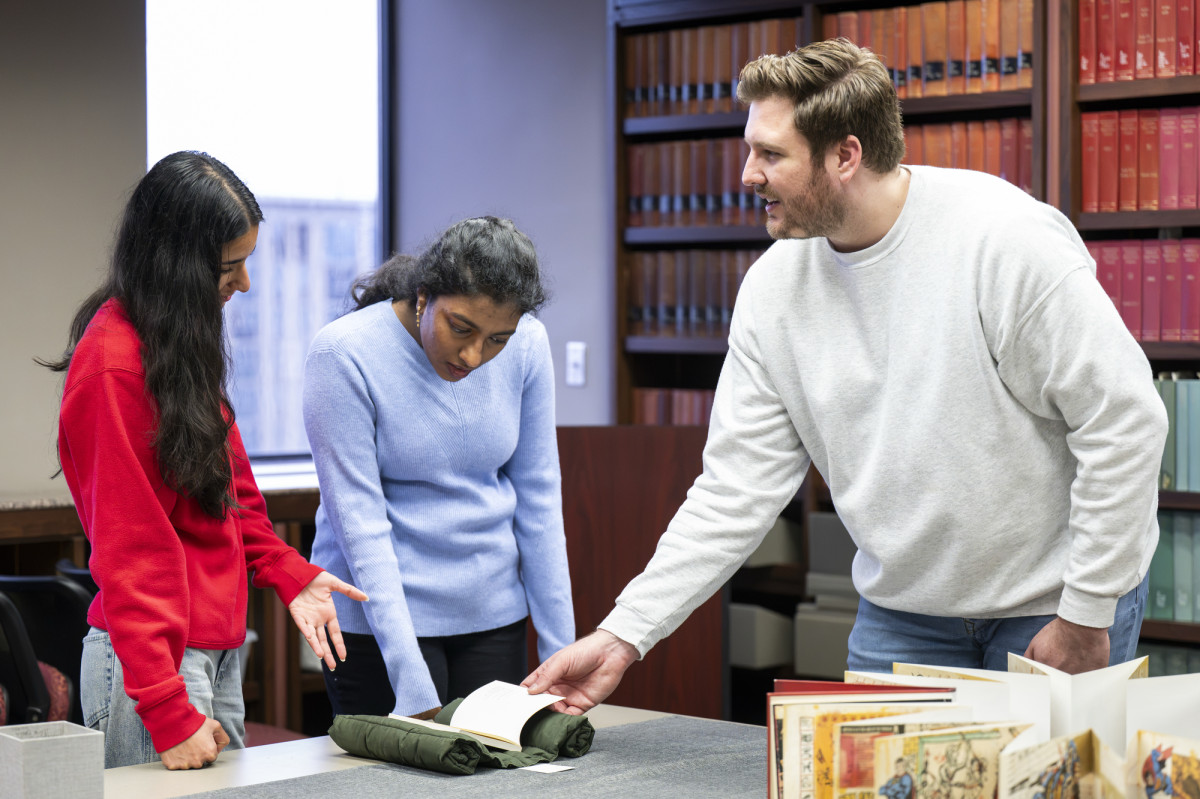
“It can be an emotional experience to interact with something that was created, say, in the 14th or 15th century — different from interacting with something online,” says David Pavelich, UW Libraries’ associate dean for collections. “You pay a different kind of attention to it, appreciating the materiality and the workmanship. How was this thing produced? How was it experienced by people of the period that it comes from?”
Pavelich says library staff can see the excitement in students’ faces. “They say, ‘Can I touch this?’ And we say, ‘Yes. You can touch that.’ ”