
Category Health & Wellness

How to win a Nobel Prize
Meet the UW–Madison faculty and alumni whose discoveries changed the world.
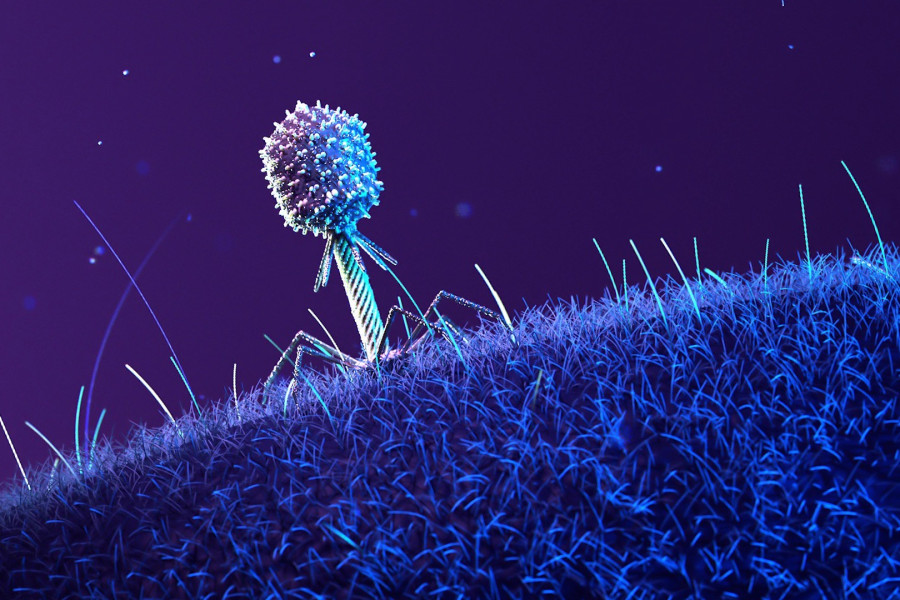
Microbes mutated in space hint at biomedical benefits to humans on Earth
Researchers are interested in studying effects on the gut microbiome and antibiotic-resistant infections.

The gift of gratitude
UW research scientist and meditation teacher Cortland Dahl explains what's so great about gratitude, no matter the time of year.
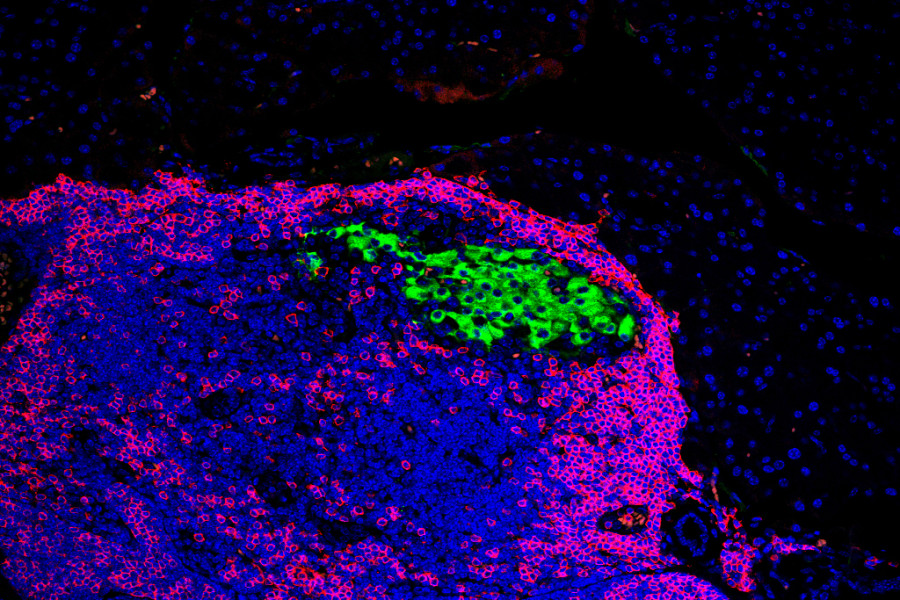
How disabling one gene protects mice against Type 1 diabetes
UW–Madison researchers have discovered a mechanism that could one day help people at risk of developing the metabolic disease.
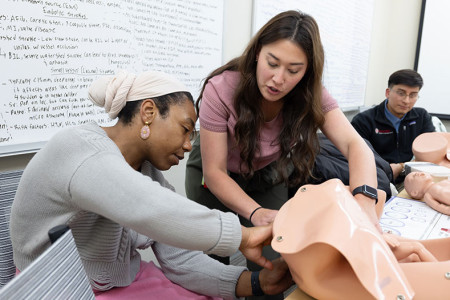
Train for the job you want
Outside the classroom, medical students in the School of Medicine and Public Health seize opportunities to gain knowledge and serve.
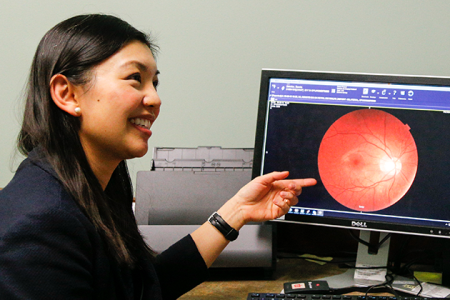
UW researchers tackle diabetes from multiple angles
Researchers at the UW School of Medicine and Public Health are working on new and improved treatments for diabetes and its complications. They're also searching for what doesn't yet exist: a cure.

UW professor Andrea Putnam awarded 2025 Packard Fellowship
Putnam’s research focuses on how RNA and proteins help orchestrate gene expression during development. She is one of 20 early-career scientists from across the United States to be awarded this year’s fellowship.
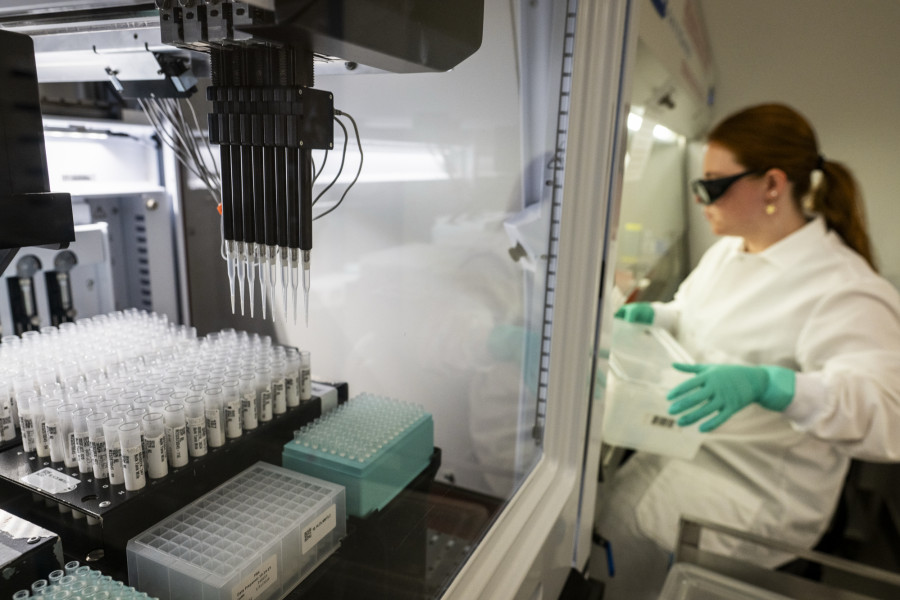
With milk testing and new tools, UW scientists are helping prevent bird flu outbreaks in Wisconsin and beyond
The Wisconsin Veterinary Diagnostic Laboratory processes samples from every dairy farm in the state to help prevent an H5N1 outbreak among cattle.

UW researchers uncover possible new treatment to target a devastating childhood brain cancer
Using fruit flies, scientists are investigating the genetic drivers of the rare but aggressive tumor.
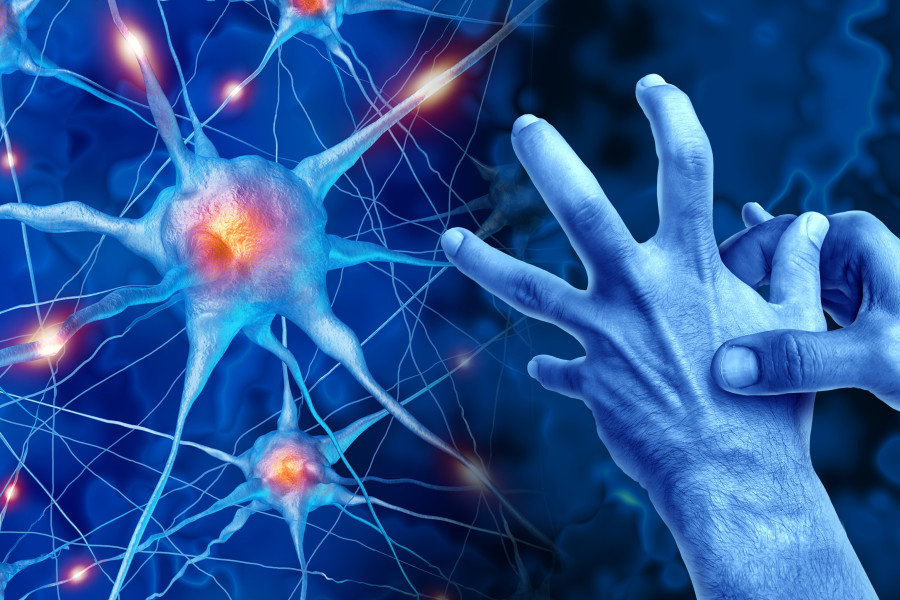
Parkinson’s treatment tested at UW showing promise in first clinical trial
Parkinson’s patients are receiving a new investigational treatment after UW–Madison researchers successfully demonstrated its safety and helped refine the delivery method.
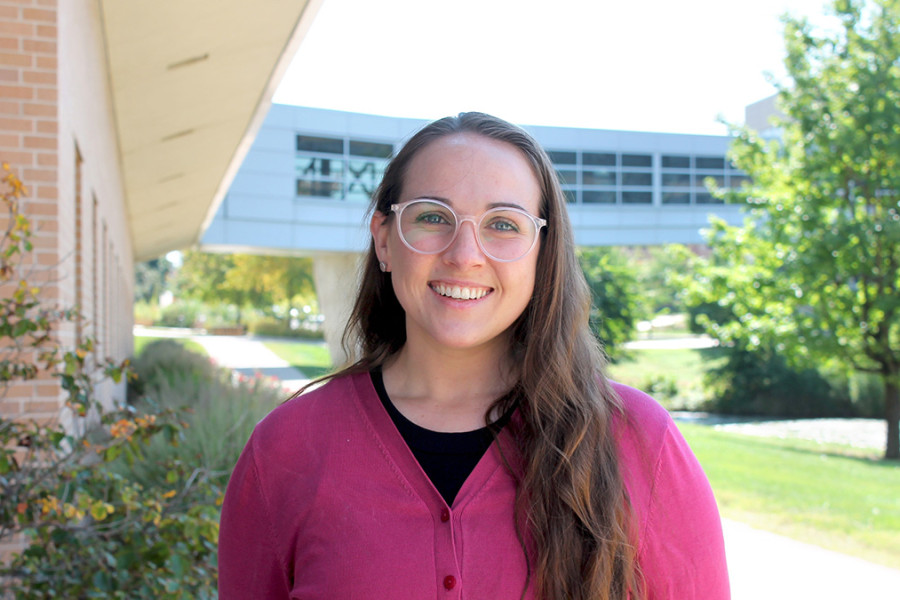
Breathing new life into rural respiratory care
Graduate student Sara Hernandez pilots a pharmacist-led program to improve COPD care and outcomes in rural Wisconsin.

A UW–Madison professor is looking for ways to boost trust in science and public health. Cuts to federal funding are making that work even harder.
UW–Madison professor Michael Xenos and his colleagues are working to ensure vital information is clearly and effectively communicated to people who might not have the most confidence in public health information.
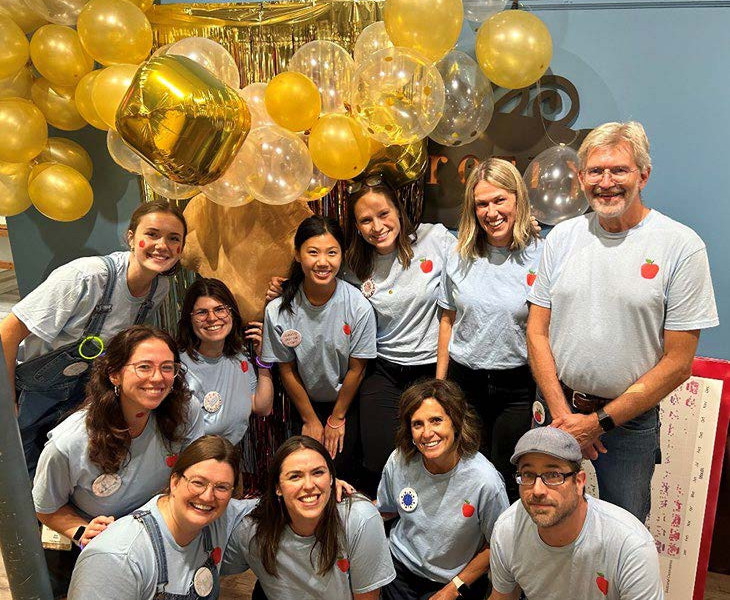
A Decade of Discovery: ORCHARDS Concludes After Ten Years of Groundbreaking Research
After 10 years, the Oregon Child Absenteeism Due to Respiratory Disease Study has concluded. UW researchers involved with the study reflect on its impact as one of the most comprehensive and long-running community-based studies of respiratory illness in school-aged children in the US.
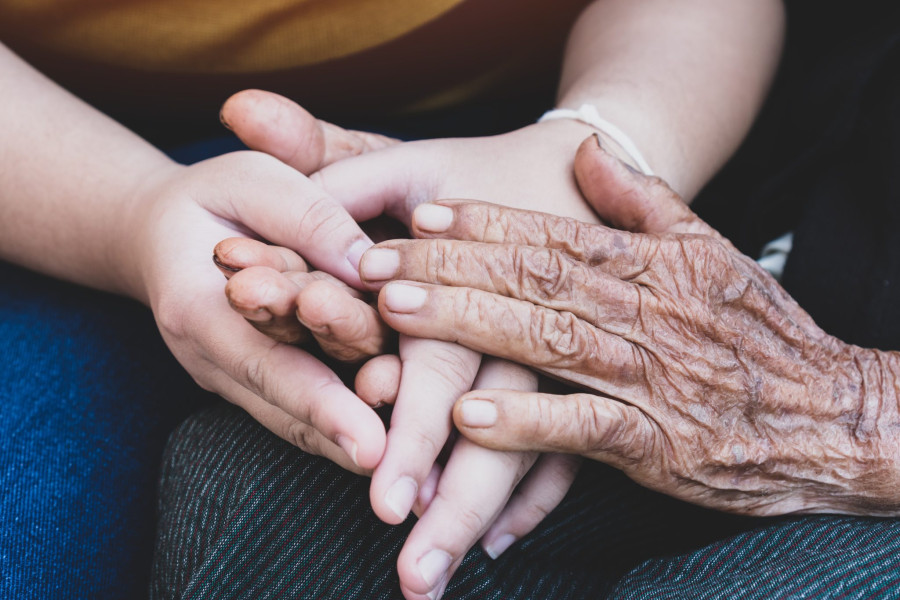
New research reveals longevity gains slowing, life expectancy of 100 unlikely
A new study finds that life expectancy gains made by high-income countries in the first half of the 20th century have slowed significantly.

Scott announces final year as dean
School of Nursing Dean Linda D. Scott will step down from the position in June 2026 and will remain a member of the faculty. That will be the end of her 10th year, which she says is the right time to conclude her tenure.
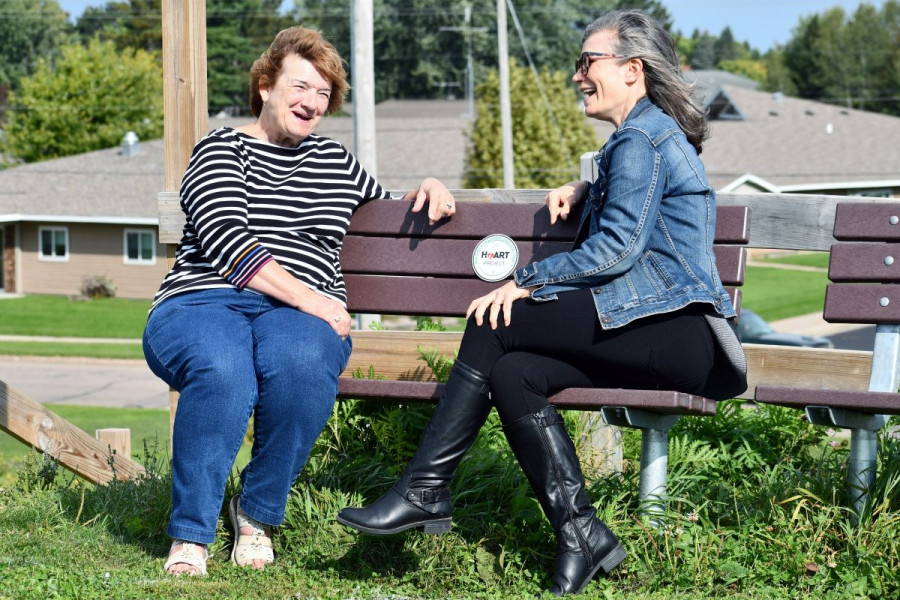
Bridging the Gap
The UW School of Nursing’s Center for Aging Research and Education (CARE) provides essential support to the growing population of older adults in Wisconsin by educating the next generation of caregivers and engaging with communities to support healthy aging in place.

Research project aims to measure brain fog as long-term effect of COVID-19
The findings of the study could inform the development of more targeted therapies to combat the effects of brain fog, which include memory loss, attention deficits and fatigue, that can make it hard to complete the tasks of daily life.
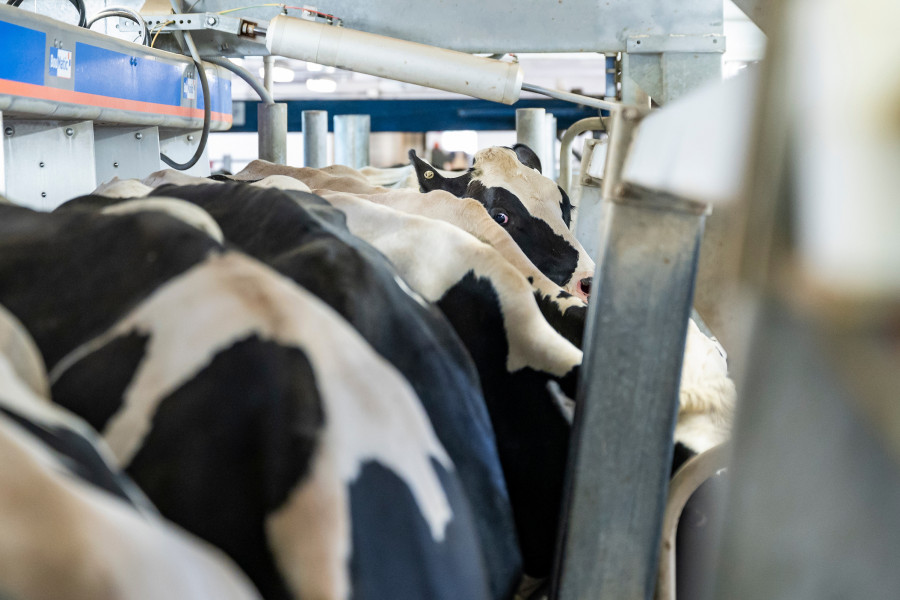
UW–Madison virologists are at the forefront of efforts to keep tabs on avian influenza in dairy milk
When H5N1 avian influenza made a jump into dairy cattle in early 2024, the development prompted health and economic concerns. Since then, a team of researchers at UW–Madison has been working to answer important public health and food-safety questions.
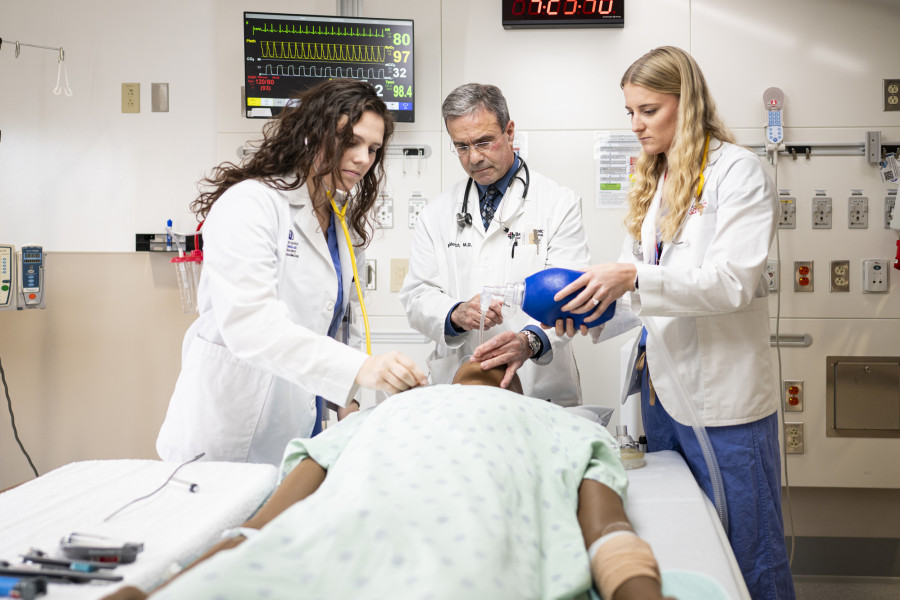
UW–Madison medical training program improves health care for rural communities
UW–Madison and its partners are tackling the pressing problem of rural health care access by bringing medical students out of the city and into rural hospitals and clinics around the state.

The Future of Health
Researchers across the College of Letters & Science are focused on critical topics that will change the way the world looks at medicine, health policy and personal wellness.