Hands-on from day one
UW School of Veterinary Medicine students are building clinical skills early through a curriculum designed around real-world practice.
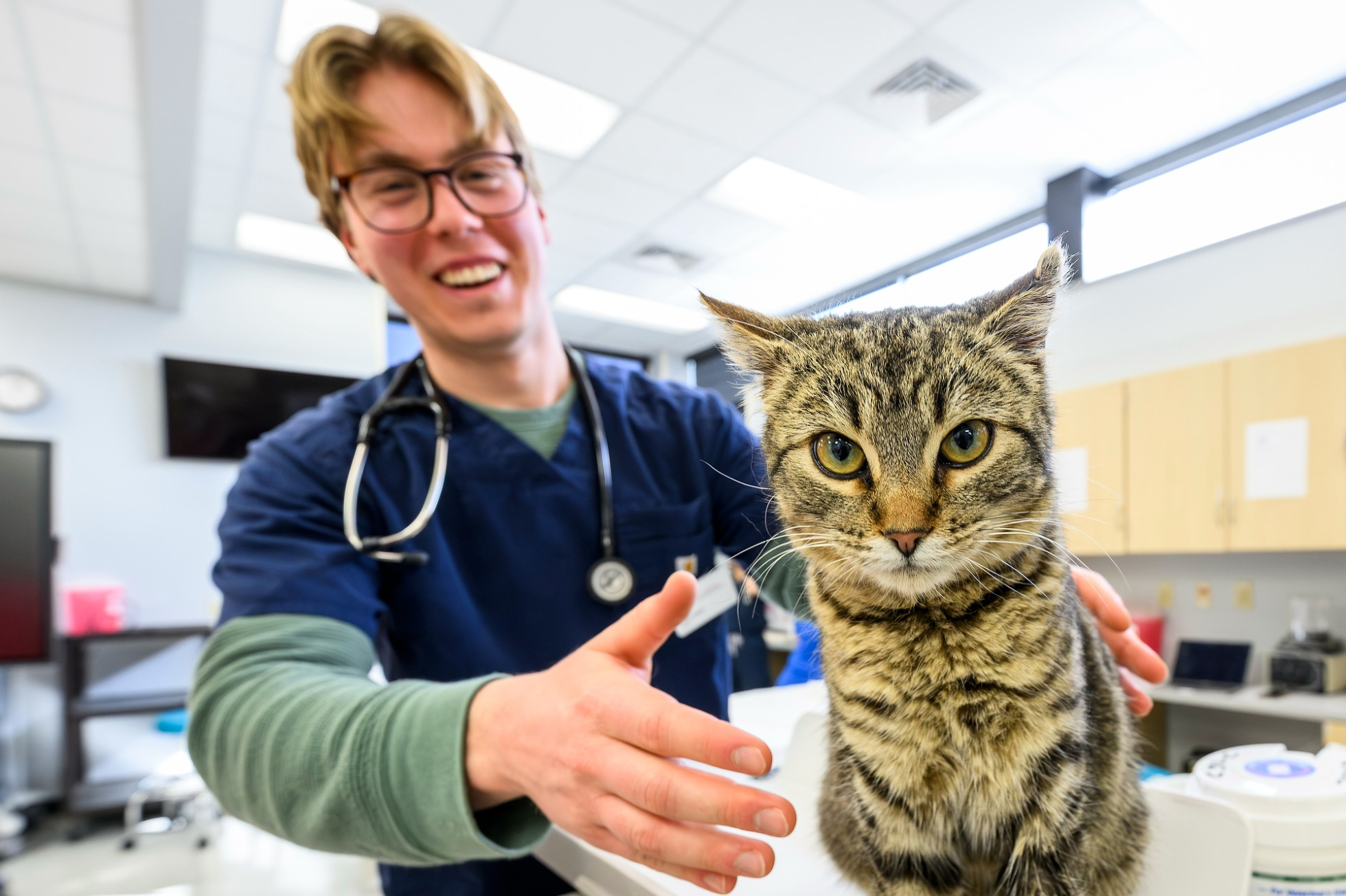
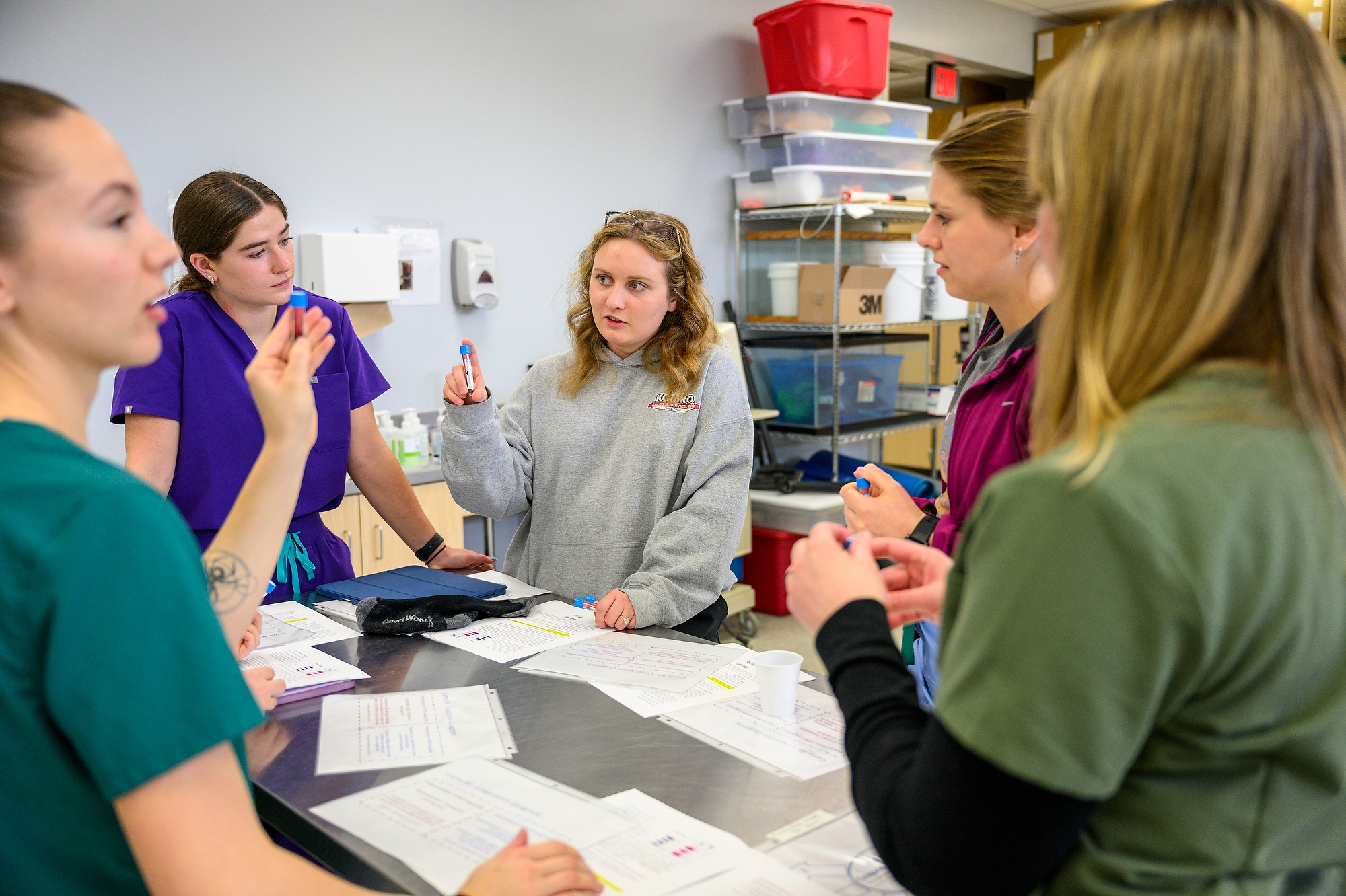
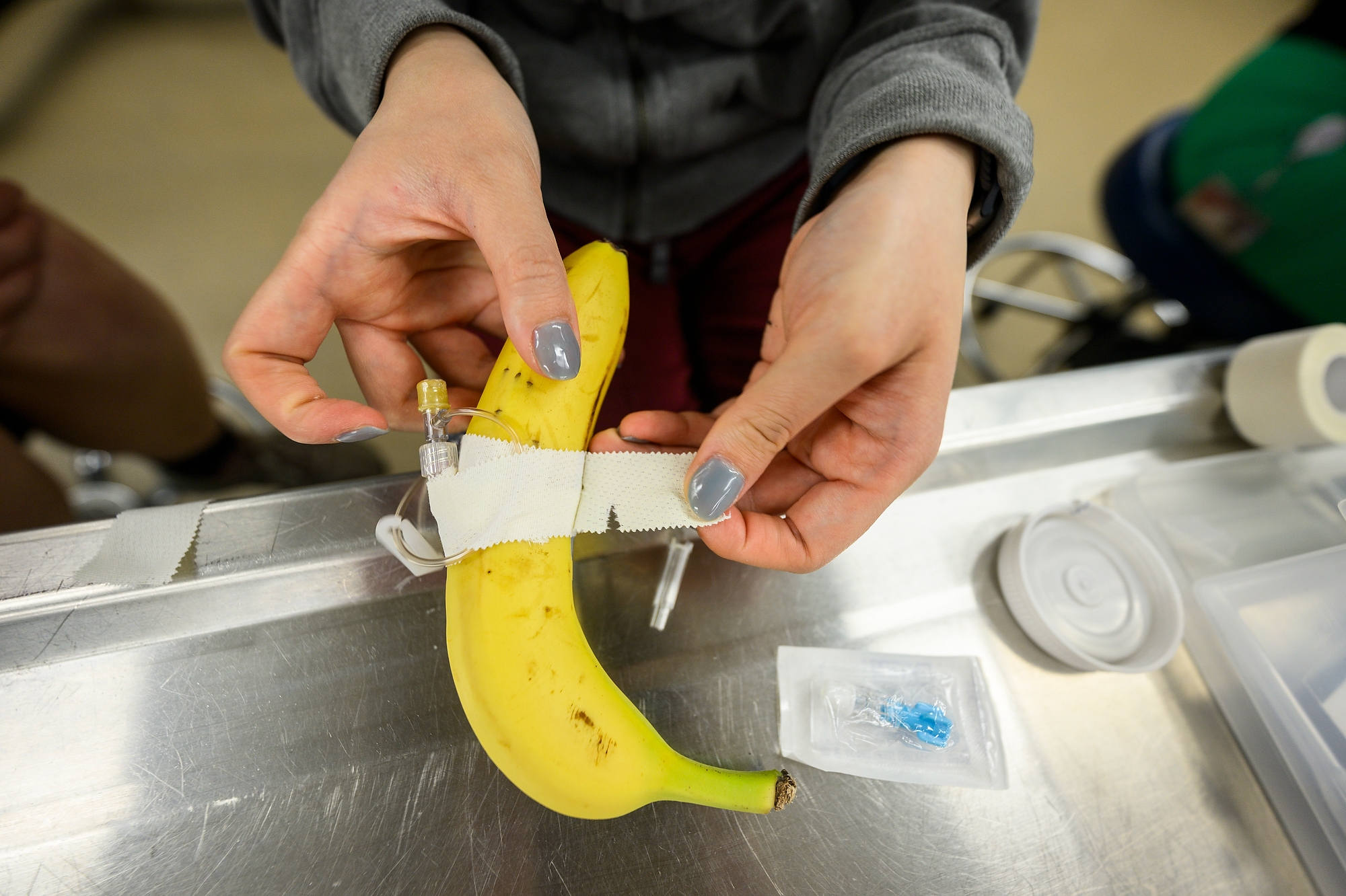
At the University of Wisconsin School of Veterinary Medicine, first-year students aren’t waiting years to work with animals. Within weeks of starting school, new students are already building hands-on clinical skills by performing physical exams on animals large and small, learning how to place catheters using fruit and practicing their suturing technique.
The school’s new OnWard curriculum, launched in 2025, is designed to immerse students in clinical training earlier and more often — helping to bridge the gap between classroom learning and real-world veterinary practice.
“Our goal is to send our students off after graduation having completed as many of the things that they’re going to do as a day-one veterinarian,” says Bailey Donovan, a teaching, learning and technology specialist at the school.
That early exposure is already reshaping the student experience.
Maggie Piel, a first-year student from Watertown, Wisconsin, expected to spend much of her first year learning basic animal handling. Instead, she quickly found herself practicing injections, performing comprehensive physical exams and working directly with animals.
“I definitely feel like I have more of the building blocks as a veterinarian so that I will be good right out of school, rather than having to take a couple years to get into the groove,” Piel says.
Students work with species ranging from cats and dogs to horses and cows while learning patient care, communication and problem-solving skills. Instructors say the emphasis on repetition and real-world application helps students build confidence by developing their practical skills more quickly.
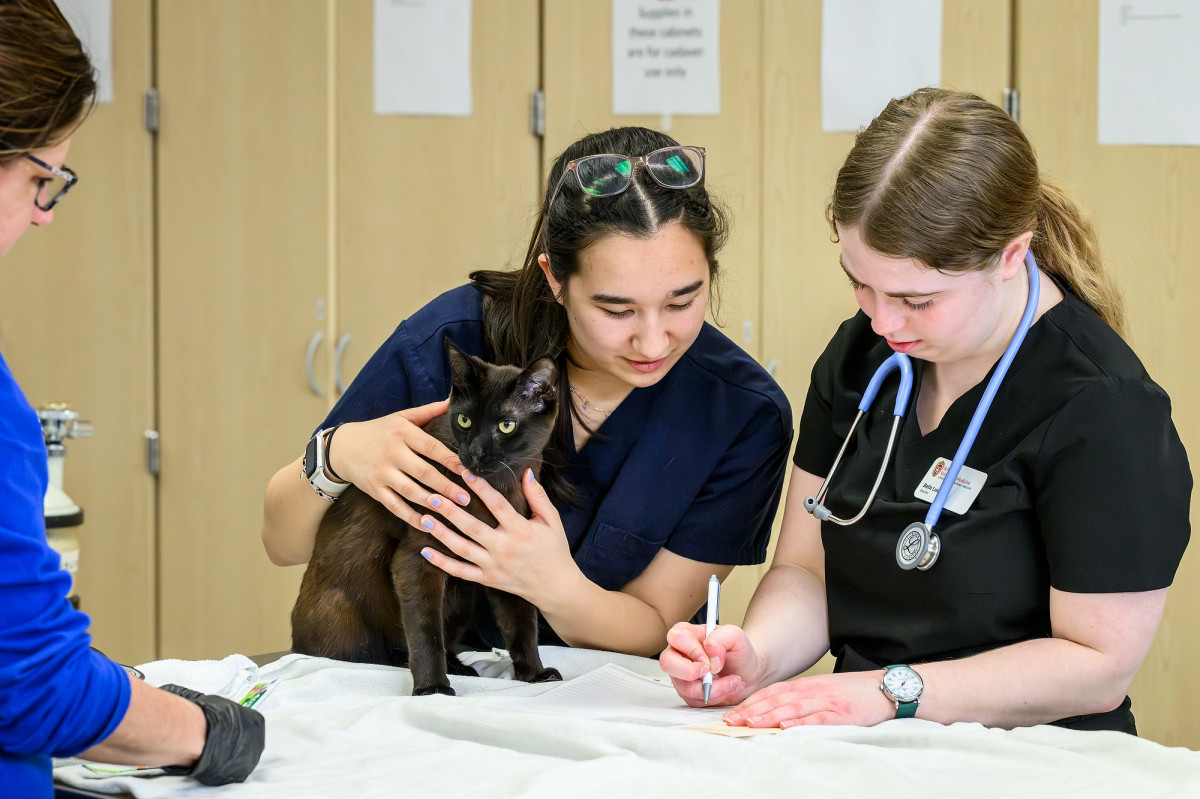
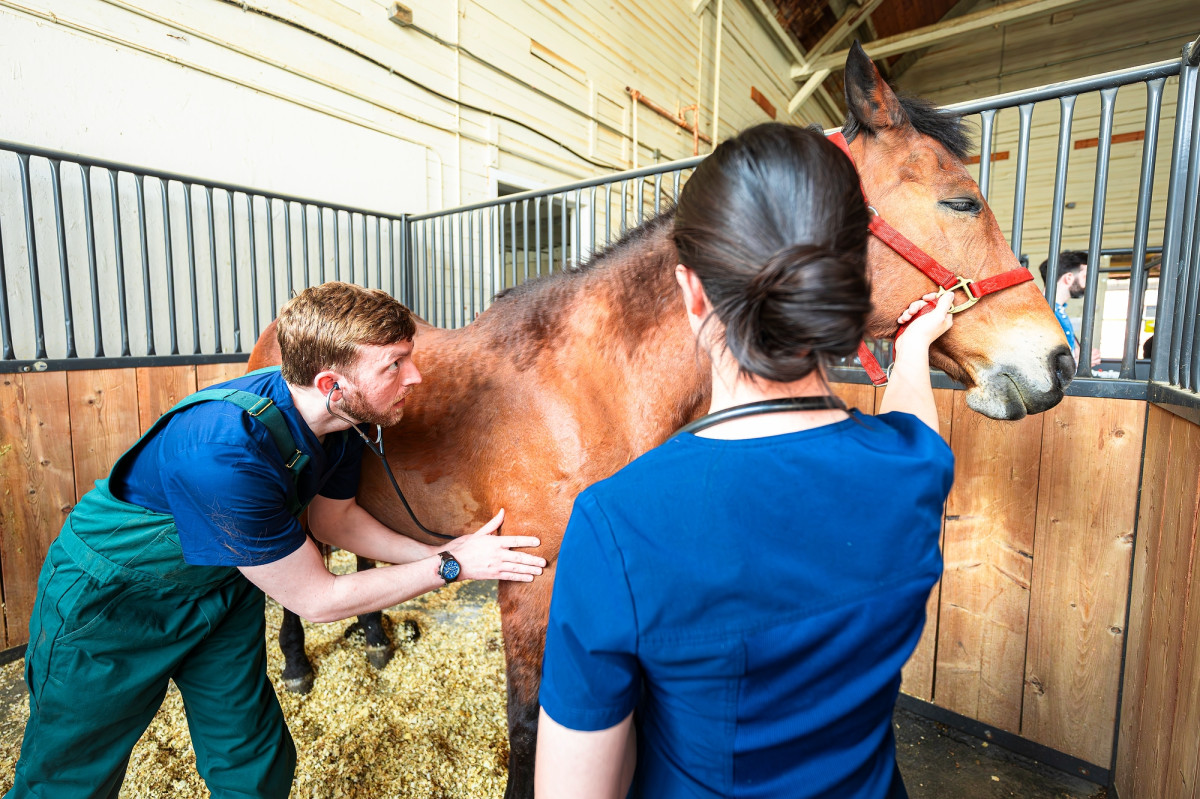
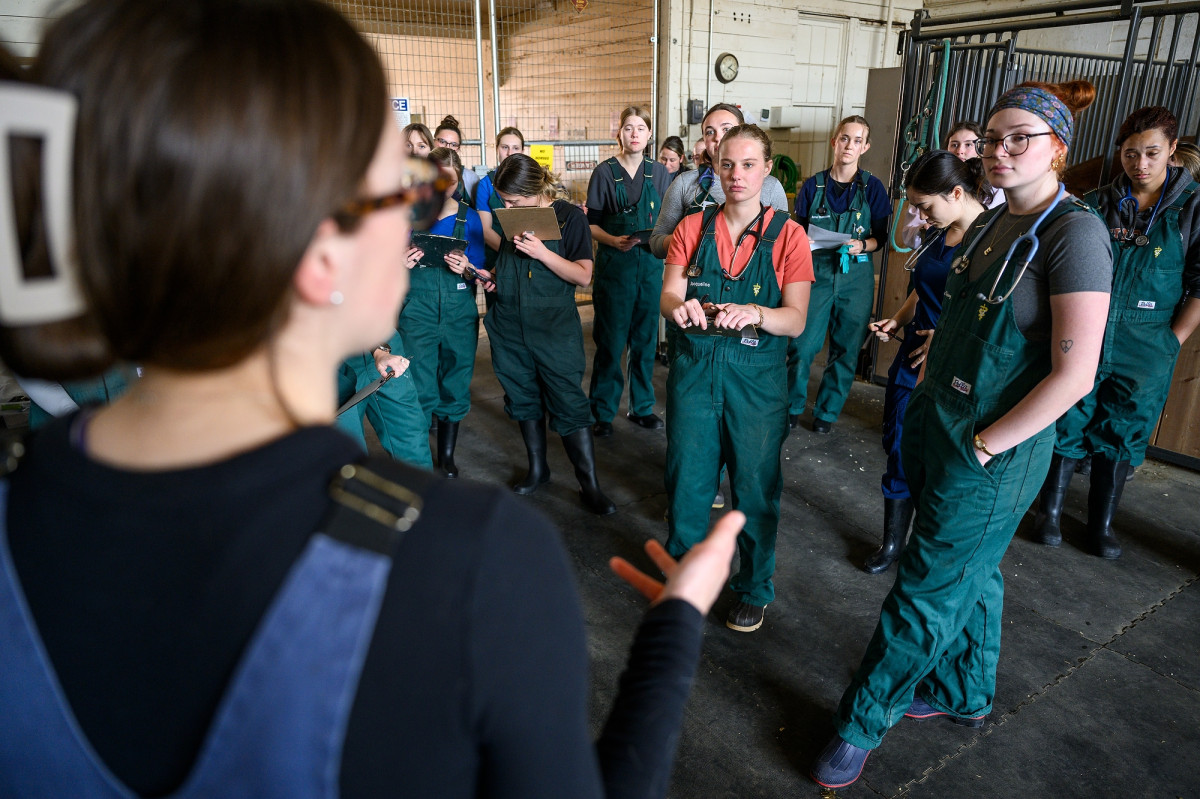
“They have to have those hands-on skills,” says Alex Powers, a clinical instructor in large animal internal medicine. “They need to know how to touch an animal, work around an animal, work with an animal, and also work with clients as well.”
Powers says instructors are already seeing first-year students connect classroom concepts to clinical situations earlier than expected.
For Piel, the experience is reinforcing why she chose veterinary medicine in the first place.
“When I’m working with an animal, I just feel a huge swell of pride,” she says. “It’s what I’ve built up to my entire life.”