UW–Madison top 5 in national research ranking for first time since 2014, surpasses $1.93B in research expenditures
The University of Wisconsin–Madison now ranks fifth in the United States for its university research expenditures, its highest ranking since 2014, according to the National Science Foundation’s Higher Education Research and Development Survey.
The annual ranking, released today, Dec. 23, 2025, covers UW–Madison’s expenditures, or the amount of funding the university invested in research activities, during fiscal year 2024 (July 1, 2023 to June 30, 2024).
“I’m thrilled we’ve achieved our highest HERD ranking in more than a decade. While our commitment to life-changing research and discovery can’t be fully captured simply in a ranking or a dollar amount, this year’s results are made possible by the extraordinary work happening in labs and in the field by so many dedicated faculty members, researchers, postdocs and grad students. They are embracing creativity, driving innovation and advancing knowledge for the public good,” says UW–Madison Chancellor Jennifer Mnookin. “The rankings highlight the importance of the decades-long partnership between universities and the federal government to tackle society’s greatest challenges, to generate discoveries for the benefit of our state and nation, to fuel the economy and to prepare students for the workforce.”
UW had been ranked sixth in fiscal year ‘23 and eighth in fiscal year ‘22. A total of 925 universities were ranked by NSF this year. The last time UW–Madison was in the top five was 2014.
Relative to the previous survey year, the university increased its overall expenditures by 11.6%, to a record-high $1.93 billion. UW’s federal expenditures increased by 13.9%, up $114 million, a percentage increase second only behind the University of California San Francisco (of those in the top 10), driven by a 29.4% increase in Department of Defense expenditures and a 26% increase in USDA spending.
The rankings highlight the importance of the decades-long partnership between universities and the federal government to tackle society’s greatest challenges, to generate discoveries for the benefit of our state and nation, to fuel the economy and to prepare students for the workforce.
Nearly half of UW–Madison’s total research expenditures come from federal awards, from agencies such as the NSF, the National Institutes of Health and the Department of Energy.
“Partnerships remain key to our continuing research success and performance in the annual HERD ranking,” says Vice Chancellor for Research Dorota Brzezinska. “While academic research funding at UW–Madison comes primarily from federal government and institutional support, the university also receives critical support from state and local government, industry, and non-profits and foundations, as well as private philanthropy.”
The university continues to focus on fostering strong industry partnerships. For example, the UW–Madison Grainger Institute for Engineering brings together researchers and engineers from the university, the Department of Defense, the Department of Energy and private companies working in advanced materials, quantum sensing and artificial intelligence for a variety of applications, including semiconductor advances.
Additionally, the university’s Dairy Innovation Hub coordinates efforts among agricultural scientists, industry collaborators and farmers to enhance resilience and productivity across the region.
The two most significant non-profit contributors of research funding at UW–Madison are the Wisconsin Foundation and Alumni Association and the Wisconsin Alumni Research Foundation.
Among the research advances that contributed to the university’s HERD Survey results released today:
WHAM (Wisconsin HTS Axisymmetric Mirror)
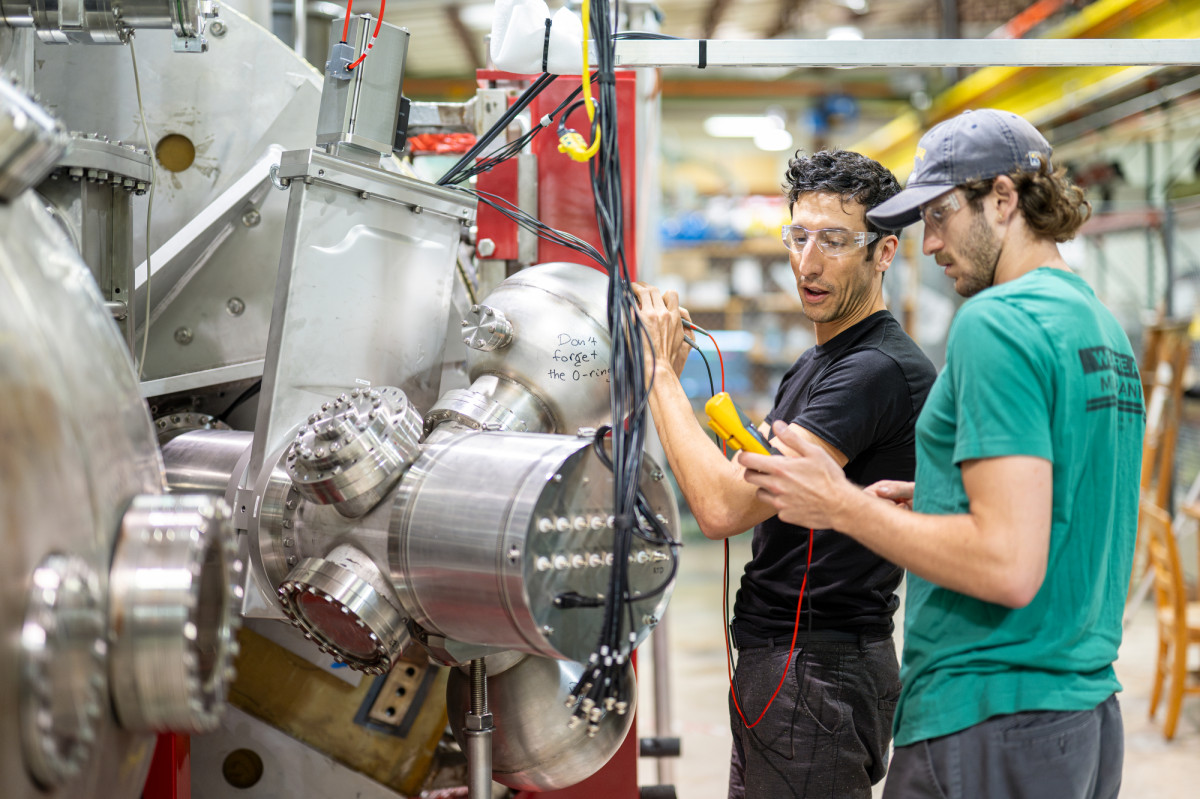
A team of UW–Madison physicists and engineers constructed and tested the fusion energy device known as WHAM (Wisconsin HTS Axisymmetric Mirror), marking a major milestone for years-long research that has received support from the Department of Energy. WHAM, initially funded through a $10 million “launchpad grant” (ARPA-E), began as a partnership between UW–Madison, the Massachusetts Institute of Technology and Commonwealth Fusion Systems. Now, WHAM will operate as a public-private partnership between UW–Madison and spinoff company Realta Fusion Inc., positioning it as a major force for fusion research advances at the university.
Wisconsin Environmental Mesonet (Wisconet)
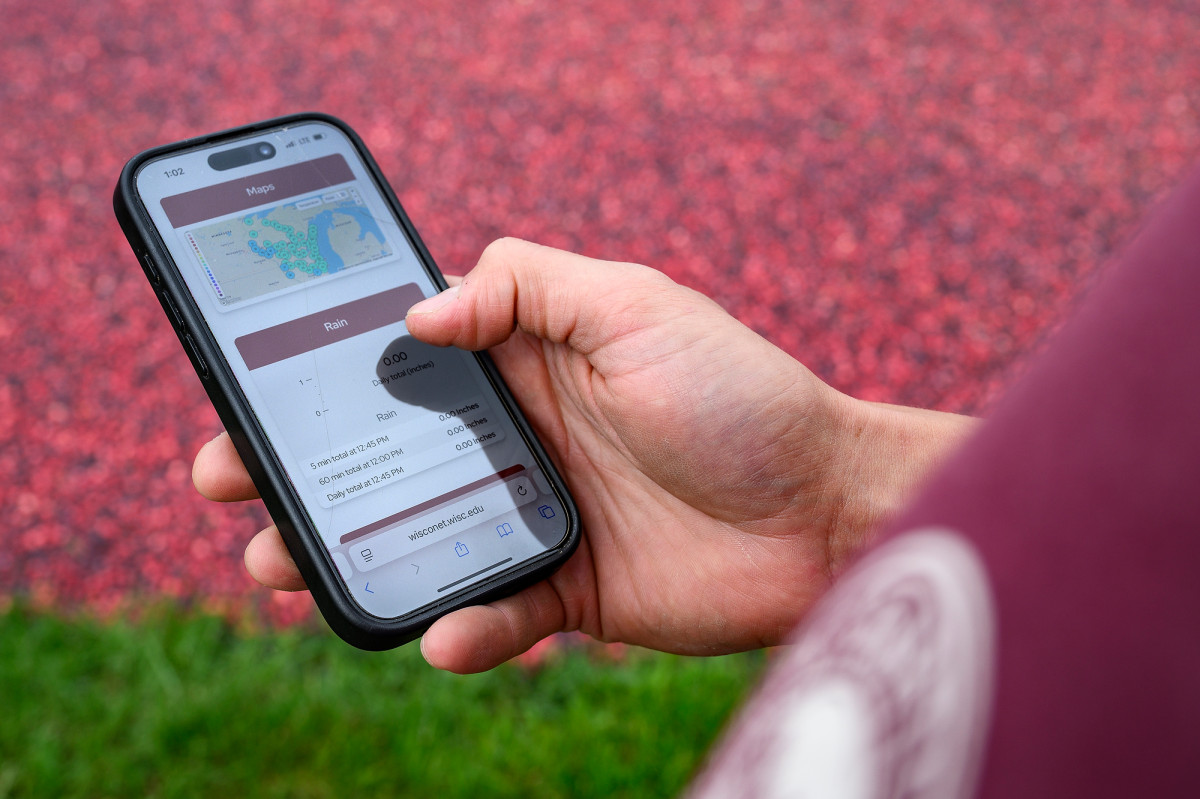
A public-nonprofit funding partnership led to formation and growth of the Wisconsin Environmental Mesonet, or Wisconet, a network of weather and soil monitoring stations across Wisconsin designed to provide research quality data for farmers and others across the state. Funding from the U.S. Department of Agriculture-supported Wisconsin Rural Partnerships Institute helped Wisconet developers turn streams of station data into tools farmers across the state use to improve their yields and reduce costs. With support from WARF, Wisconet has grown since 2023 from 14 stations to nearly 80.
Wisconsin Crop Innovation Center
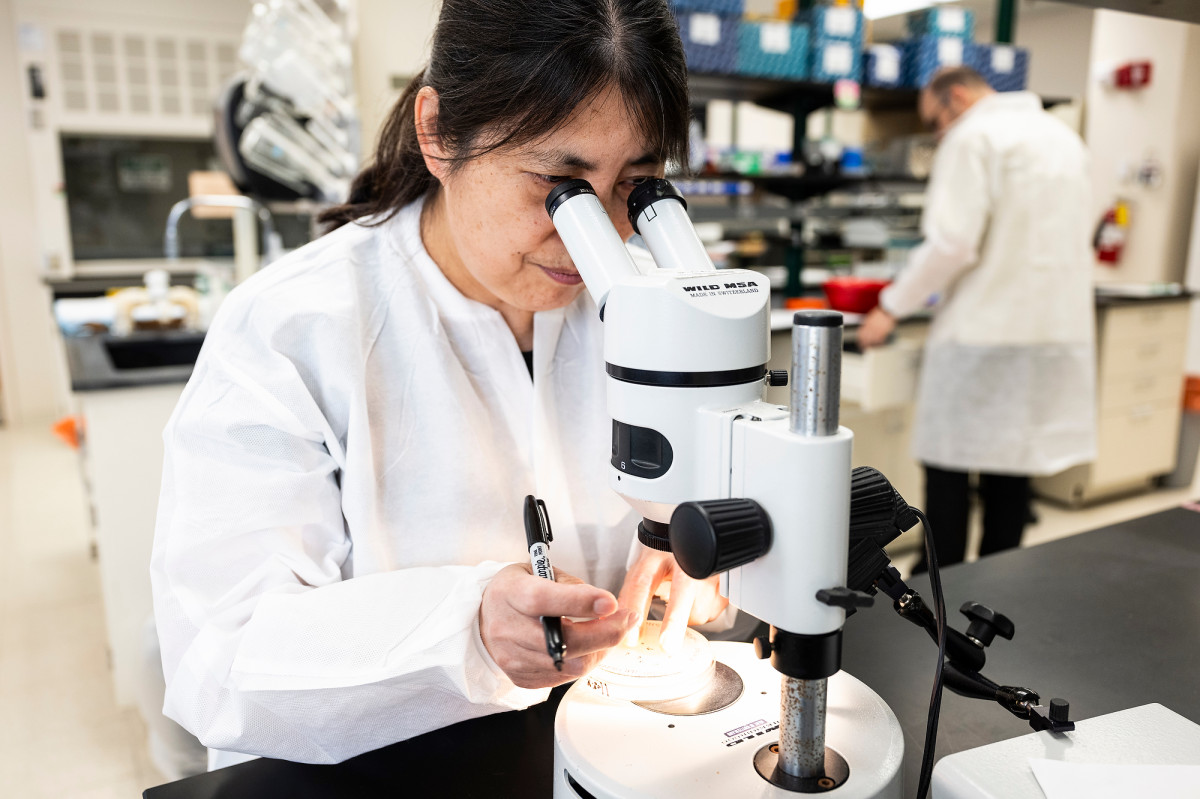
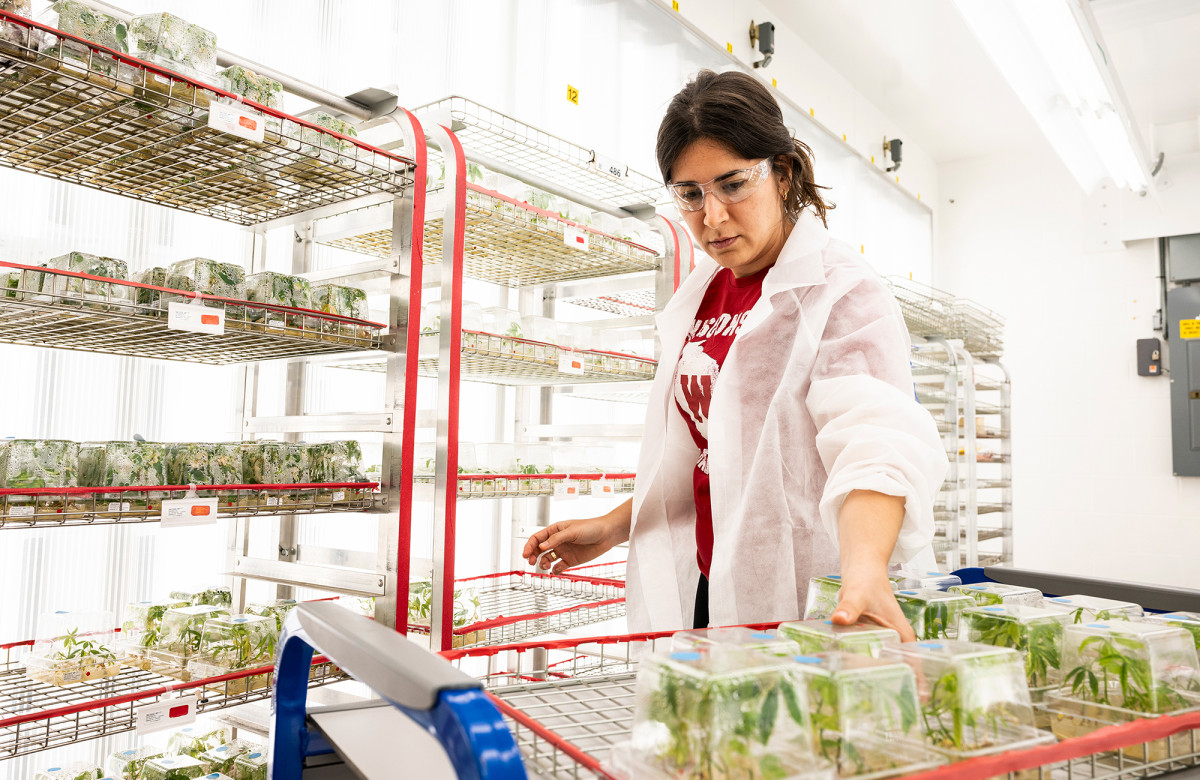
The Wisconsin Crop Innovation Center, a crop biotechnology center that serves researchers and industry, with support from the Bill and Melinda Gates Foundation, led efforts to produce plant-based dyes to replace synthetic food dyes, to create THC-free hemp and more.
3D-printing functional human brain tissue
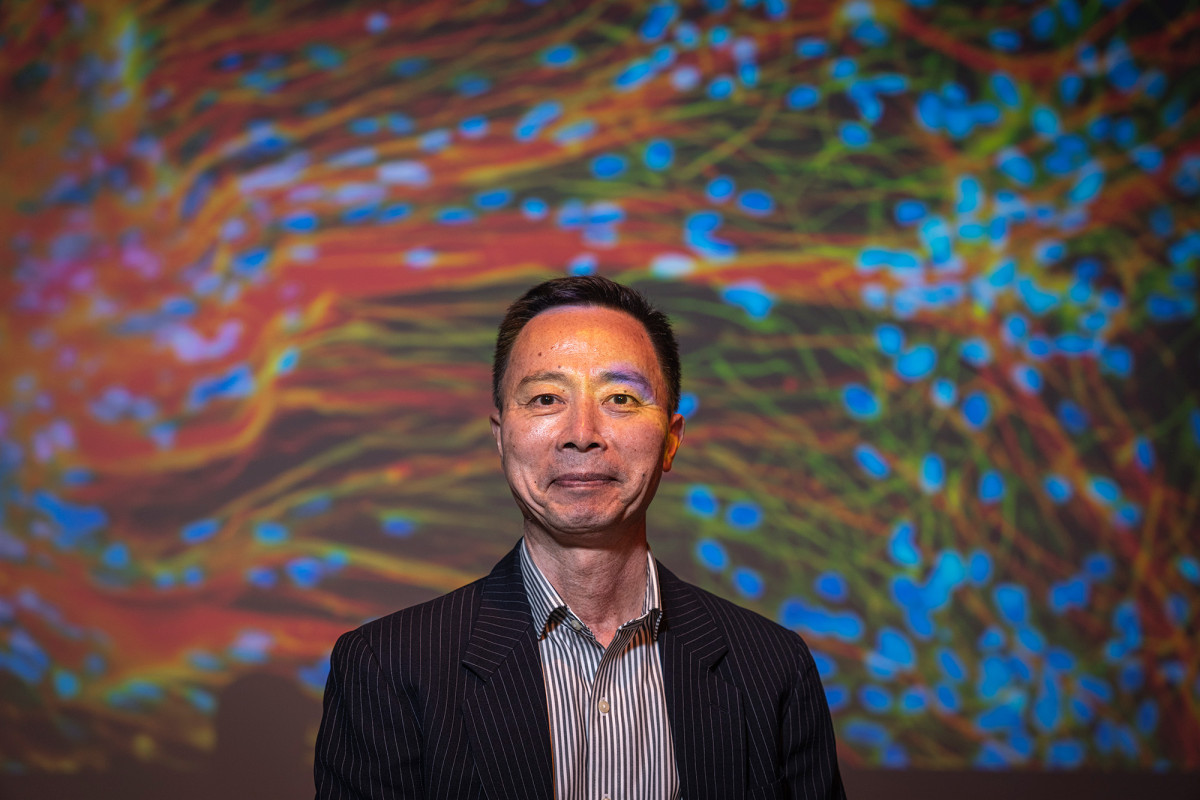
NIH-funded research from a team of UW–Madison scientists developed the first 3D-printed brain tissue that can grow and function like typical brain tissue. It’s an achievement with important implications for scientists studying the brain and working on treatments for a broad range of neurological and neurodevelopmental disorders, such as Alzheimer’s and Parkinson’s diseases.
PANTHER program
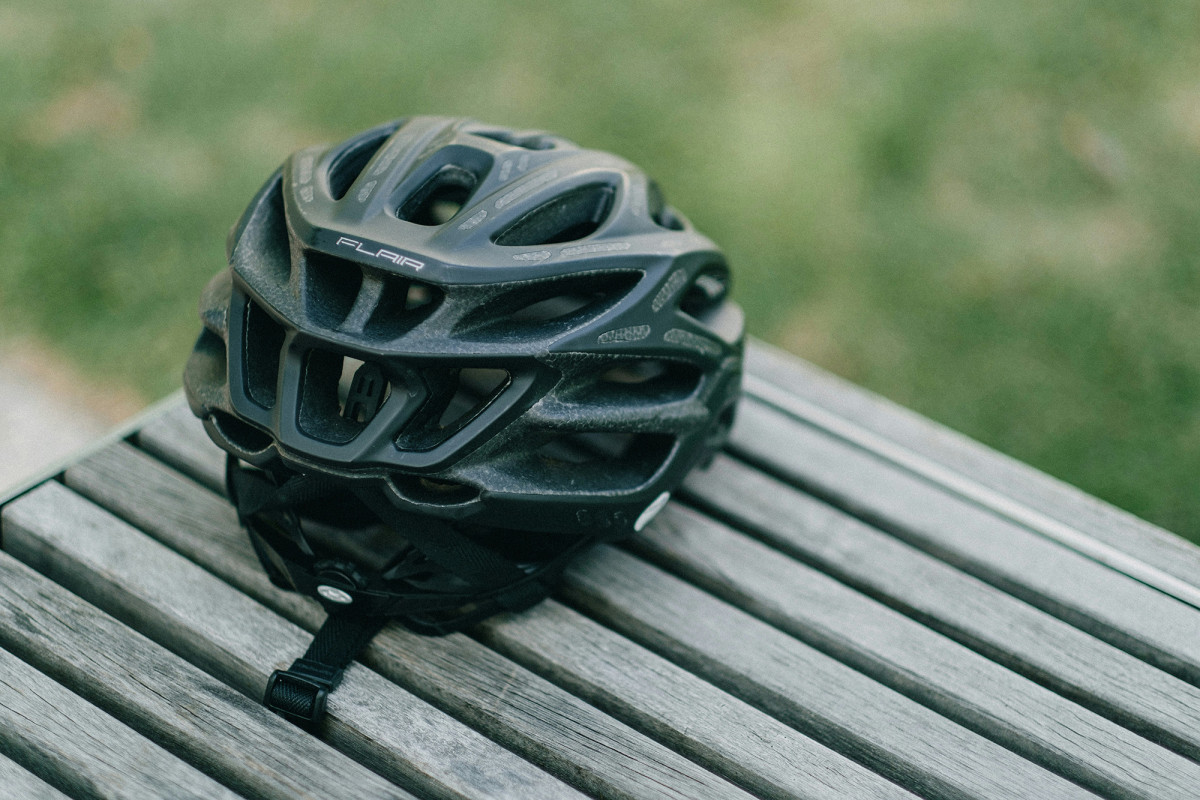
Scientists behind the PANTHER program made significant progress in their quest to improve traumatic brain injury detection and prevention. The persistent challenges of traumatic brain injuries require expertise from a broad array of disciplines and close partnership with the U.S. Office of Naval Research (through the Department of Defense), other universities, Sandia National Laboratories and industry to accelerate the translation of PANTHER’s scientific breakthroughs to military and consumer uses. For example, military helmet manufacturer Team Wendy has developed a prototype of a more protective helmet liner that’s informed by PANTHER research results. And industry partners Trek Bicycle and Milwaukee Tool each have incorporated insights from PANTHER researchers into helmets.
While the federal funding landscape has undergone major shifts in 2025, this year’s rankings do not include data from after June 2024. Any impacts related to changes in 2025 would appear in HERD data released next year, covering July 2024 through June 2025.
Today’s announcement is a reminder of the ongoing importance of robust federal funding for research at universities like UW–Madison. This includes the full cost of conducting research, including direct costs and indirect facilities and administrative costs.
“HERD is an important indicator of the productivity and excellence of UW–Madison faculty, staff and student researchers. We are proud of UW–Madison’s recent HERD ranking, but we remain cautious about the future of the survey results,” says Brzezinska. “Today’s announcement is a reminder of the ongoing importance of robust federal funding for research at universities like UW–Madison. This includes the full cost of conducting research, including direct costs and indirect facilities and administrative costs.”
More about HERD
The annual survey is the primary source of research expenditure data at American universities and colleges, yet it is just one way to measure academic research activity. Each year, by conducting the HERD survey, NSF collects information on expenditures by research field and funding sources among institutions that spend at least $150,000 on separately budgeted research and development in a fiscal year. The survey also compiles information on the types of research expenses and the number of research and development personnel at each institution. ■