$27M WARF investment fuels UW–Madison’s next frontiers in research
The gift aims to accelerate four high-impact research initiatives at the university: quantum technologies, brain health, fusion energy and national security.
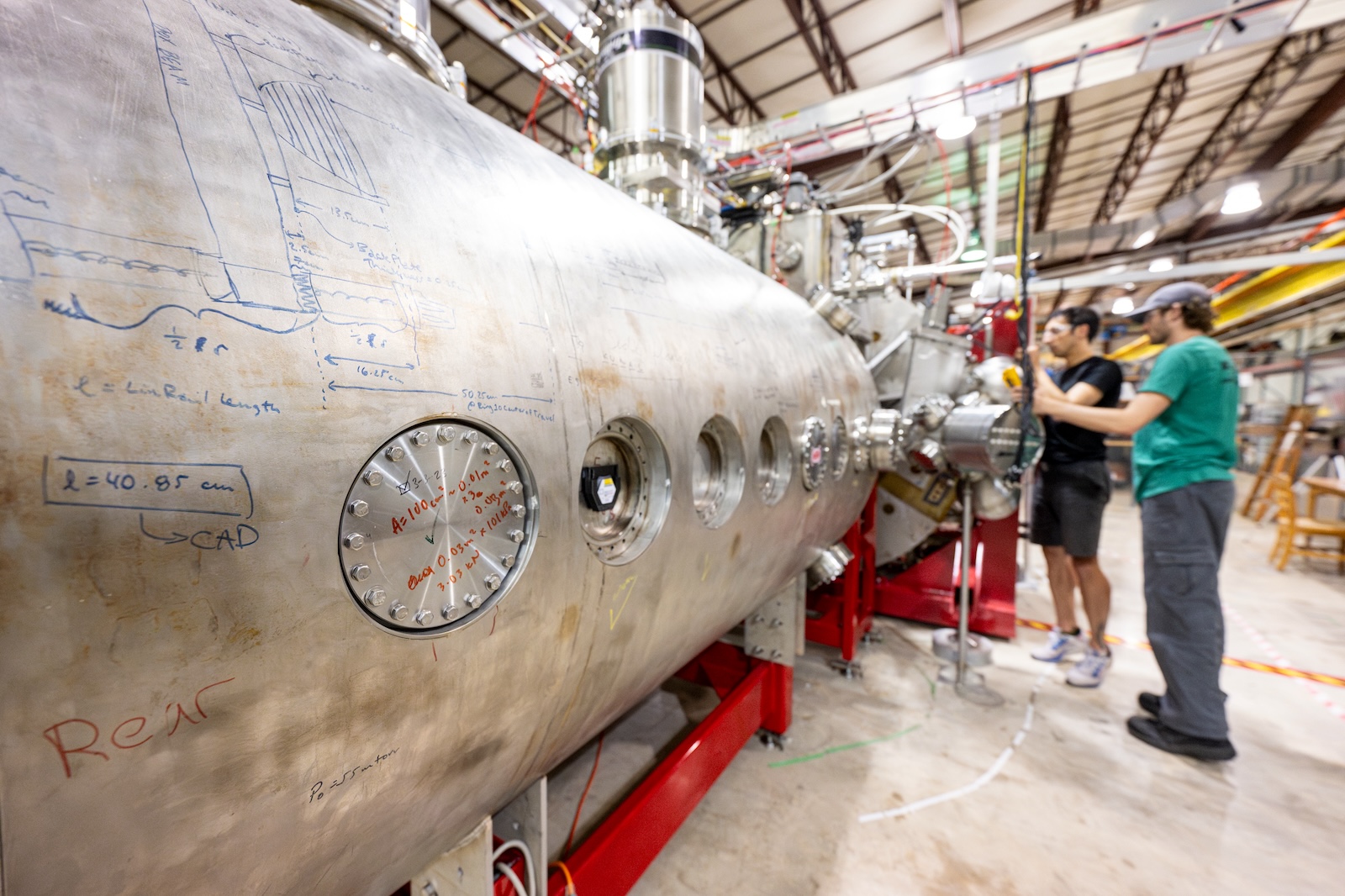
A $27 million investment from the Wisconsin Alumni Research Foundation (WARF) will accelerate four high-impact research initiatives at the University of Wisconsin–Madison, building on existing strengths in quantum technologies, brain health, fusion energy and national security.
The gift comes at a pivotal moment as federal agencies and industry partners increase investments in these strategically important fields. The special investment will strengthen UW–Madison’s position as it diversifies its research funding portfolio in response to this rapidly changing funding landscape.
“These initiatives build on areas where UW–Madison already has exceptional expertise and momentum,” says Dorota Brzezińska, vice chancellor for research. “With WARF’s support, we can accelerate discovery, strengthen our leadership, attract new partnerships and expand the impact of UW–Madison research for Wisconsin and beyond by unlocking new opportunities to translate research discoveries into intellectual property, startup companies and economic impact.”
The investment will support cutting-edge interdisciplinary research spanning multiple schools and colleges. Among other initiatives, it will fund:
- The launch of three new research centers at the Wisconsin Quantum Institute aimed at transitioning quantum technologies from the lab to real-world uses. UW–Madison is a national leader in quantum computing, which holds the potential to greatly outperform classical computers in terms of speed and processing power.
- Crucial research aimed at discovering and testing advanced materials and manufacturing processes for future fusion power plants, along with the establishment of a new institute that will coordinate the university’s research, industry partnerships and public policy work related to fusion. As the promise of nearly limitless clean energy offered by fusion becomes closer to reality, the UW–Madison research community is uniquely positioned to leverage its decades of global leadership in the field.
- An initiative that will support the university’s growing research community investigating the use of psychoactive medicines to treat mental health conditions. The WARF funding will allow UW–Madison to build the operational infrastructure needed to coordinate these efforts to maximize their real-world impact on brain health.
- Expanded responsibilities for the Wisconsin Initiative on National Security, a new effort to coordinate and expand UW–Madison’s research pursuits that have both civilian applications and relevance to the federal government’s national security, defense and intelligence priorities.
“Federal and industry investment in national security focused technologies, particularly those that have dual civilian use, is accelerating,” says Erik Iverson, CEO of WARF. “Universities that move decisively to conduct such research will shape these fields for decades. WARF’s role is to fuel that momentum, so our world-class university can continue to lead in conducting cutting-edge research and developing highly impactful new technologies. Whether it’s quantum sensors for geo-positioning, brain health therapeutics, clean fusion energy, or other innovations , this is the WARF model: invest where discovery and impact intersect.”
Quantum technology at a critical moment
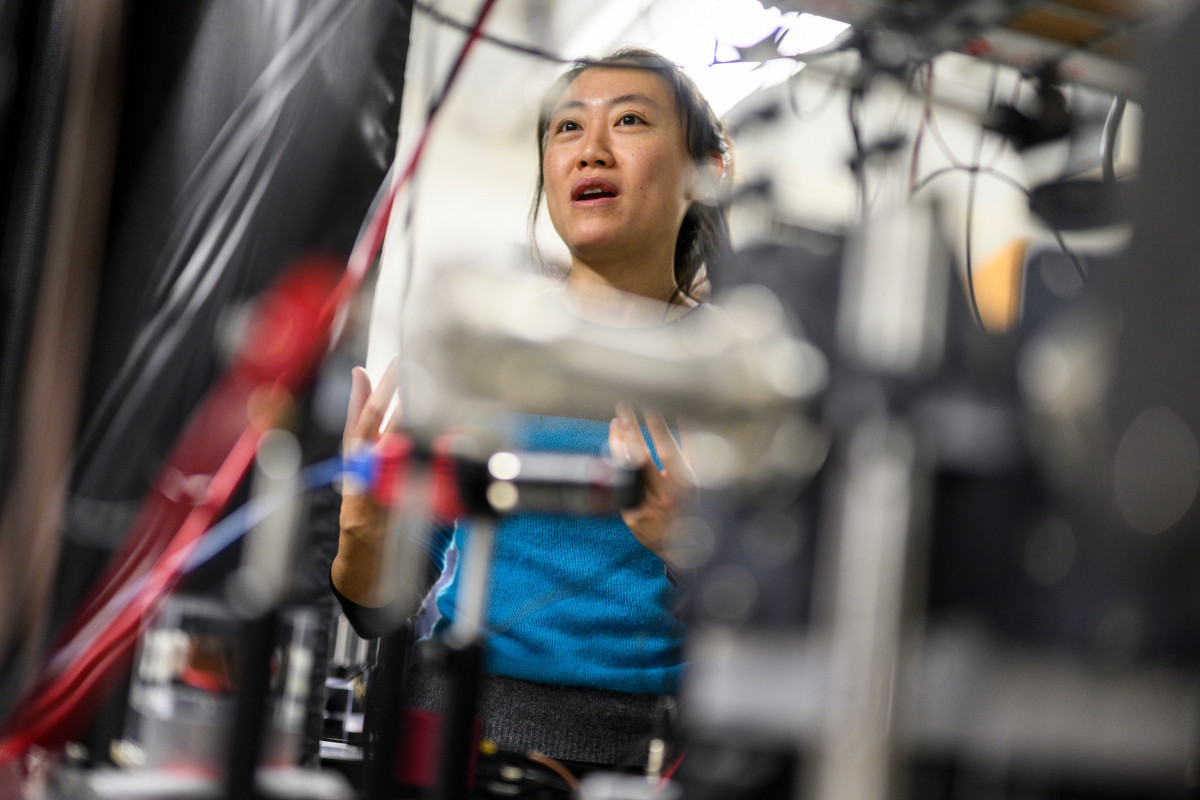
WARF’s investment will help the Wisconsin Quantum Institute (WQI) launch three new centers — Quantum Innovation Center, Quantum Sensing Center, and Quantum Applications Center — designed to accelerate the transition of quantum technologies from the laboratory to real-world applications in areas such as computing, communications, medical imaging and navigation.
While UW–Madison already holds leadership positions in several national quantum research centers, has launched venture-backed startup companies based on quantum technologies, and was home to the nation’s first master’s degree program in quantum science, researchers say the next phase of quantum development requires new capabilities.
“The day when quantum computers can perform specific, practical tasks better than classical machines is on the horizon,’ says Mark Eriksson, professor of physics in the College of Letters & Science. “Quantum sensors are already in prototype deployment. Governments around the world are positioning themselves for the accelerating race to lead the commercialization of these disruptive technologies.”
Led by Eriksson and WQI Executive Director Ona Ambrozaite, the three new centers will create a pipeline of new inventions, startups and industry partnerships while advancing technologies with applications across healthcare, agriculture, manufacturing, logistics and other sectors.
“Quantum technology is becoming a defining field of the 21st century,” Eriksson says.
Strengthening Wisconsin’s leadership in fusion energy
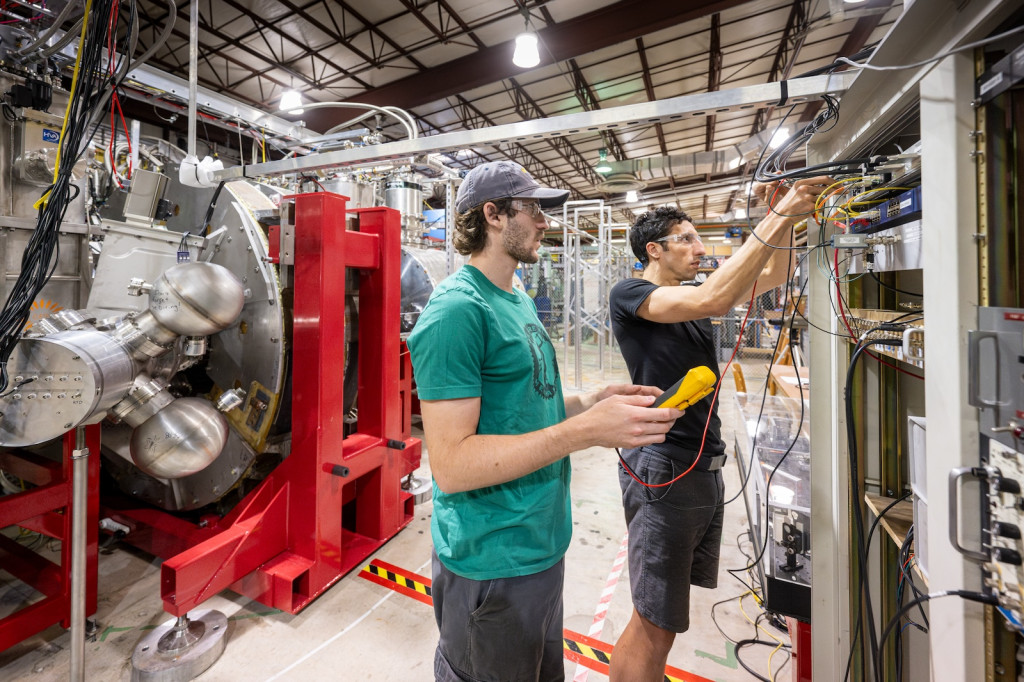
WARF funding will also support a major effort to develop materials and manufacturing technologies needed for future fusion power plants.
Fusion energy, which seeks to replicate the same reactions that power the sun, has long been viewed as a potentially transformative source of clean, abundant energy. However, one of the field’s greatest challenges remains development of materials capable of withstanding the extreme temperatures and conditions inside fusion reactors.
UW–Madison researchers plan to establish new capabilities in materials discovery, 3D laser printing, automated alloy generation and cold-spray coating technologies to address that challenge.
The gift also will also stand up a new institute as a one-stop entry point for industry, policy, legislative and economic partners and the general public. A key goal of this institute is to ensure that research efforts are aligned with the practical requirements of future fusion systems and commercial deployment.
“WARF’s investment will enable us to grow dedicated materials discovery efforts for fusion and unique real-world testing capacity, including integration tests into magnetic confinement concepts that we continuously advance on this campus based on our leadership in plasma science,” says Oliver Schmitz, associate dean for corporate engagement and entrepreneurship in the College of Engineering.
The initiative also will deepen ties with Wisconsin-based companies and support growth of the Great Lakes Fusion Energy Alliance.
The quantum and fusion initiatives support the College of Engineering’s Moonshots goals — transdisciplinary efforts that concentrate UW–Madison strengths on the challenges engineering and other disciplines can tackle together to deliver meaningful societal impact.
“Engineering Moonshots represent not just ambition, but direction,” says Devesh Ranjan, dean of the UW–Madison College of Engineering. “Not just ideas, but a commitment to act together to help address significant, complex challenges of particular importance to Wisconsin and the world.”
Advancing the future of brain health
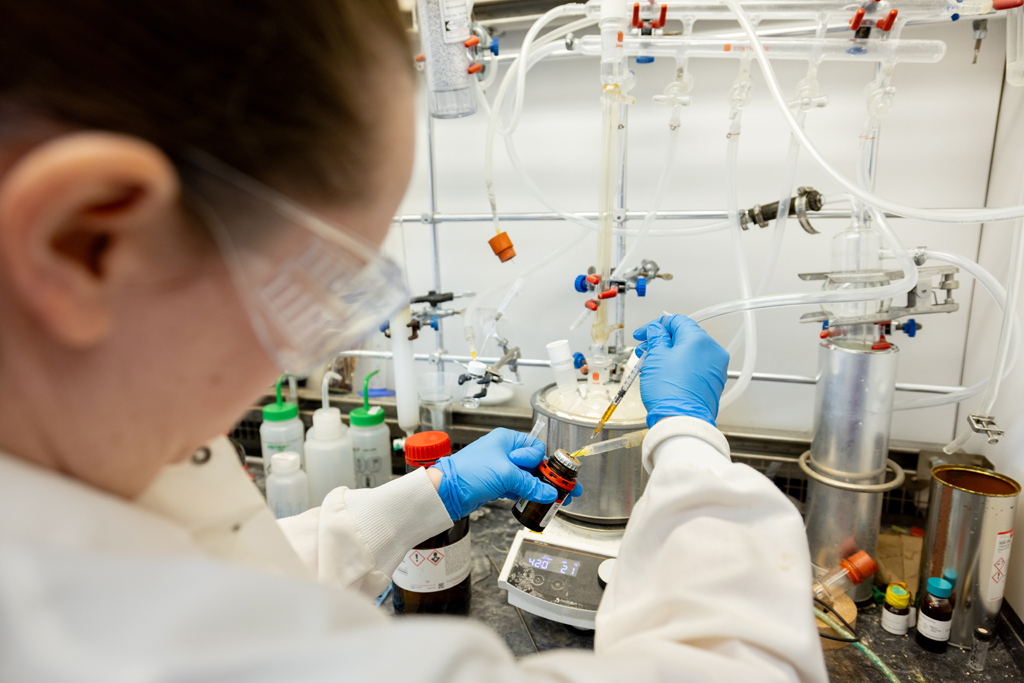
Another initiative seeks to position UW–Madison as a leader in the development and clinical application of psychoactive medicines for mental health disorders.
UW–Madison researchers are investigating compounds such as psilocybin and related therapies as promising candidates for mental health treatment, yet they need significant additional infrastructure and research capabilities to secure major federal investments and accelerate translation into clinical practice. The initiative brings together expertise in neuroscience, psychiatry, pharmacy, sleep medicine, neurophysiology and clinical research.
“With this combination, we have an opportunity to generate entirely new insights into brain plasticity,” says Anjon Audhya, vice dean for research in the School of Medicine and Public Health and professor of biomolecular chemistry. “Those discoveries could ultimately lead to new therapies, new intellectual property and new avenues for improving patient care.”
Audhya is leading the effort with UW–Madison experts in psychoactive medicine, translational psychiatry and pharmaceutical sciences from the School of Medicine and Public Health and School of Pharmacy, including researchers at the latter’s Center for Psychedelic Research and Education.
The initiative is particularly relevant to growing concerns about post-traumatic stress disorder, depression, substance-use disorders and other conditions affecting military personnel, veterans and civilians.
“Federal agencies, the Department of Defense, industry partners and foundations are increasingly interested in novel approaches to brain health,” Audhya says. “WARF funding gives us the ability to generate the preliminary data, specialized expertise, and operational infrastructure needed to pursue those opportunities now rather than years from now. We will be training students, developing future scientific leaders, engaging with the public and translating discoveries into knowledge that can inform healthcare, public policy and clinical practice.”
Creating a front door for national security research
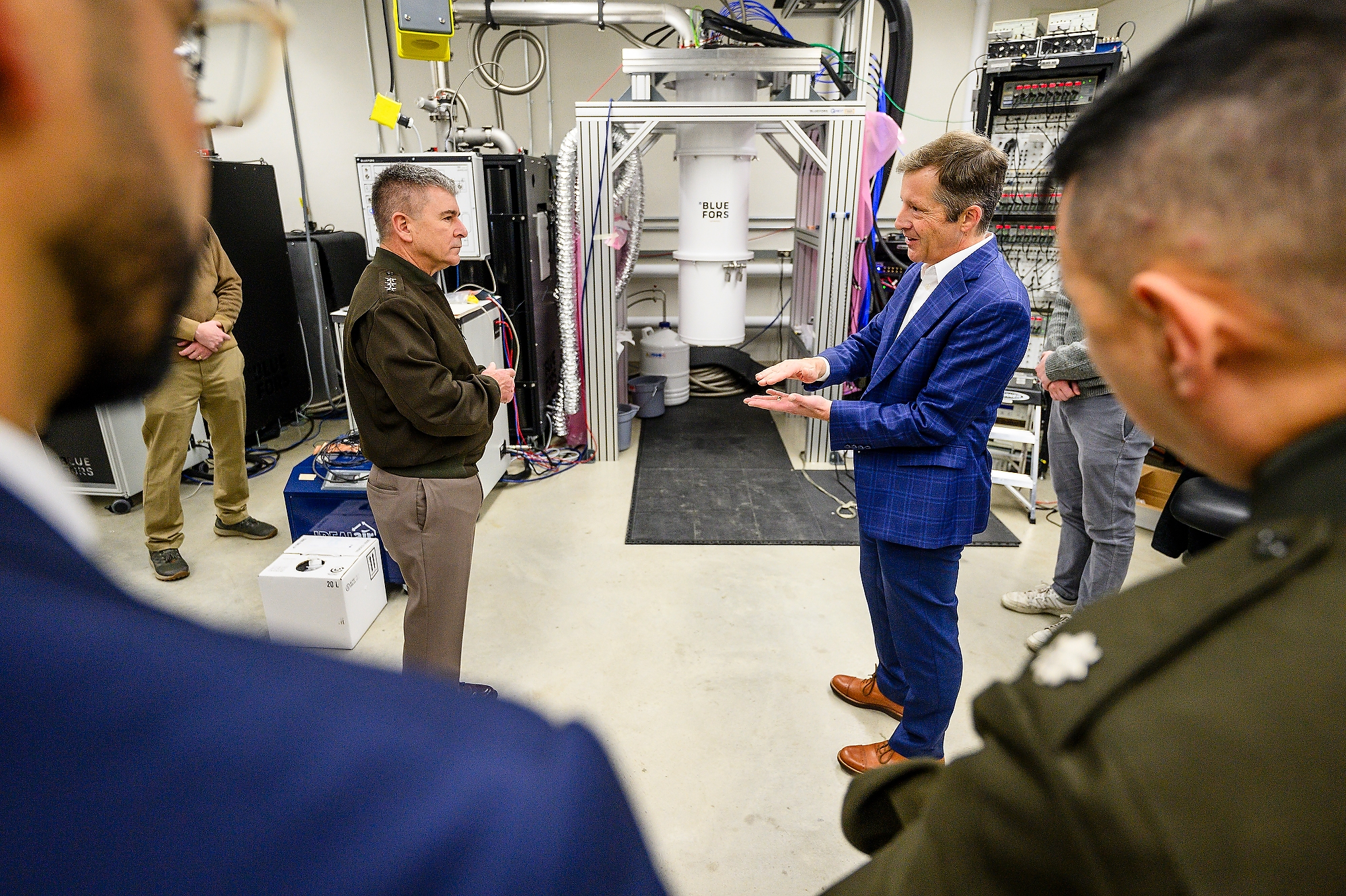
The special WARF gift will also support the Wisconsin Initiative on National Security (WINS).
Led by Dave Schroeder, director of national security initiatives, and David Rothamer, associate dean for research in the College of Engineering, WINS serves as a central hub connecting faculty, industry partners and federal agencies as the university pursues an expanded portfolio of research with both civilian and national security applications. These include AI, autonomous systems, advanced manufacturing, biosecurity, medical technologies, materials engineering, aerospace engineering, space systems, cybersecurity and advanced energy.
“We are already doing a lot of this work in the domains that the national security enterprise cares about,” says Schroeder. “What we have been missing is that central coordinating function that helps us find and win new opportunities to discover and deliver solutions to the American people.”
The WARF funding will pay for the launch of a new institute for national security to grow UW–Madison’s efforts to secure more dual-use research funding, provide more career development opportunities for students and strengthen relationships with industry.
“At a moment when the research landscape is changing rapidly, this investment gives UW–Madison the ability to be intentional about where we lead and how we grow,” says Brzezińska. “We have extraordinary strengths across these fields, and WARF’s support allows us to build on those strengths, move discoveries toward real-world applications and position our researchers to compete for new federal and industry partnerships. Ultimately, this is an investment in UW–Madison’s capacity to solve important problems, educate the next generation and create lasting impact for Wisconsin and the world.”