UW–Madison students ‘step into the professional world with a purpose’
More than 90% of UW graduates say their education prepared them for their career, according to new survey results.
There are countless ways to describe what it means to earn a degree from the University of Wisconsin–Madison: Pride. Possibility. And, of course, being well prepared for what comes next.
According to results from the latest First Destination Survey, 90% of respondents who earned a bachelor’s degree from UW–Madison in 2024-25 are now employed, engaged in entrepreneurship, serving in the military, contributing through volunteer organizations or pursuing continuing education. And 91% of survey respondents said that the university prepared them for that next step in their career path.
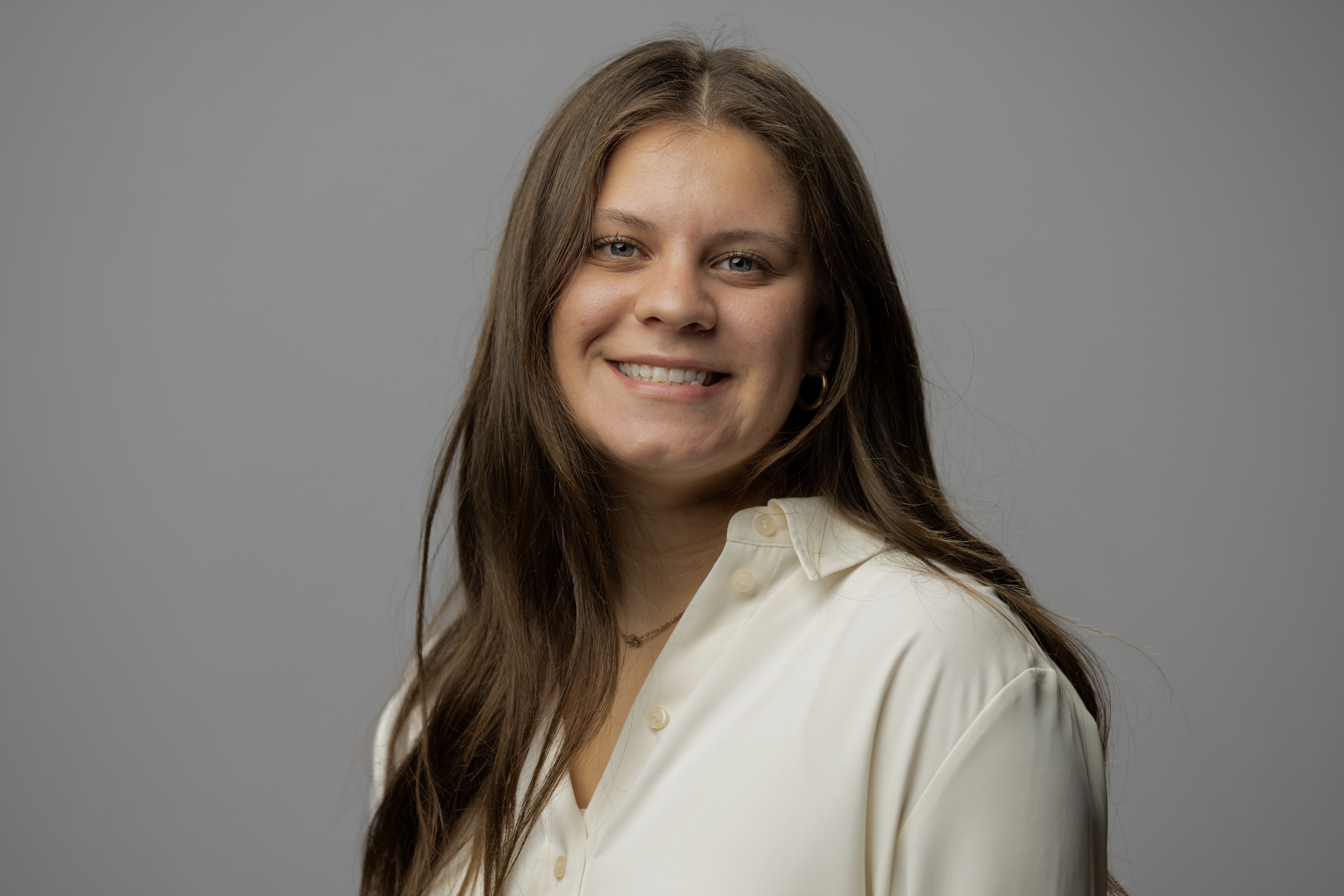
Katie Cervenka, a native of Delafield, Wisconsin, agrees. A spring 2025 graduate, Cervenka is now employed as a communications and development associate for the Driftless Area Land Conservancy and was quickly able to put her degree in life sciences communication and wildlife ecology to work.
“My UW–Madison degree directly prepared me for my current role,” she says. “Studying life sciences communication gave me communication skills I use every day. At the same time, my wildlife ecology coursework grounded me in the science and field-based realities of conservation.”
Badger grads are getting work
The survey also provides insight into how soon some graduates are able to move into their careers. Among those working, serving in the military, or participating in a volunteer or service program, 93% reported accepting a position within six months of graduation.
It found that recent graduates were hired by 2,354 unique employers in a broad range of fields — from finance and healthcare to engineering and education. The top employers for survey respondents span businesses and organizations across the country, with many based right here in Wisconsin — such as UW–Madison, Epic, UW Health, the State of Wisconsin, Techtronic Industries, and the Madison Metropolitan School District.
Overall, recent graduates found jobs in 46 states and 36 countries outside the U.S., with a median full-time salary of $73,000.
Continuing their education
Caitlyn Carroll, originally from Excelsior, Minnesota, graduated from UW–Madison with a bachelor’s degree in pharmacology and toxicology in May 2025. She is now a student at the University of Wisconsin Law School, and credits her undergraduate years with helping to pave the way.

“My experience earning a degree through the pharmacology and toxicology program definitely contributed significantly to my law school aspirations and strengthened me as a law school applicant, and now as a law student,” Carroll says. “Having a specialized STEM background has allowed me to offer a unique skill set, especially within the legal field, and this has gone a long way in helping me continue to learn and grow in every capacity.”
Along with Carroll, more than a quarter of 2024-25 graduates who responded to the survey had plans to continue their education. In all, nearly 27% continued their education after graduation, with law, business and computer science noted as the top three fields of continuing study.
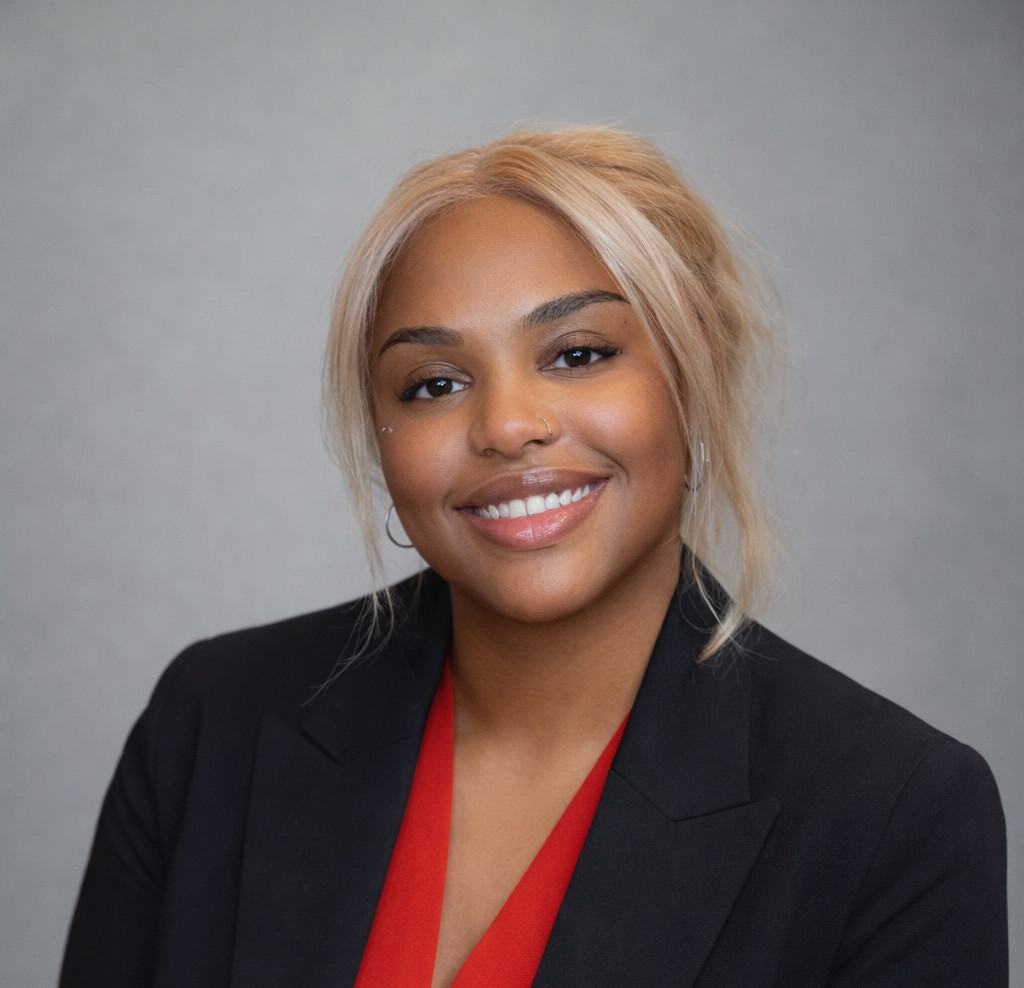
Leah Goldblum, a December 2024 graduate from Madison, Wisconsin, credits her bachelor’s degree in consumer behavior and marketplace studies, along with her certificates in digital studies and entrepreneurship, for laying the groundwork for her next steps: pursuing a master’s degree in Information, also at UW–Madison.
“My UW–Madison undergraduate experience gave me a strong foundation in how people make decisions, what drives behavior, and how to translate insights into better experiences,” Goldblum says. “The consumer behavior and marketplace studies program played a pivotal role in shaping the direction I’ve taken.”
From student to future physician
The university’s rich undergraduate research opportunities also paid off for many Badgers. Yazan Hammad, from Oak Creek, Wisconsin, graduated in May 2025 with a bachelor’s degree in pharmacology and toxicology with an additional major in neurobiology. Today, he is studying medicine in the M.D. program at the UW School of Medicine and Public Health.
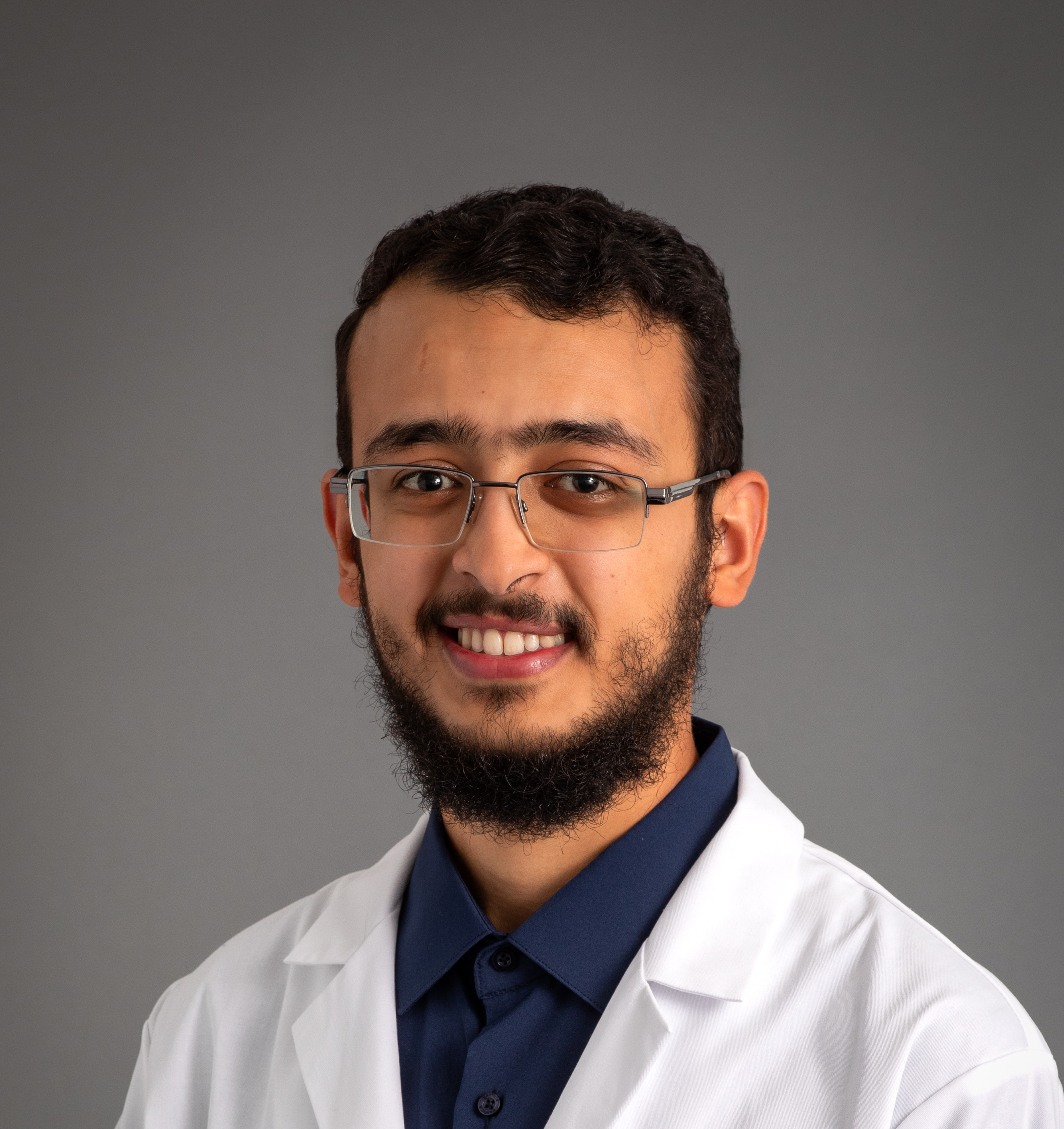
“I think the biggest thing for me was learning how real science and research works,” Hammad says of his undergraduate years. “I was able to join a lab early on — freshman year — and it taught me a lot about research methods, how to work on a team and in a system, and how to think critically about scientific methods and results.”
Like his fellow Badger grads, Hammad’s success reflects both hard work and the university’s commitment to preparing students with the skills they need beyond their undergraduate education. Thanks to UW–Madison’s career services offices (there are more than 15 across campus), plentiful opportunities for engagement and close partnerships with local and national industry, the university is nationally recognized for preparing students for their next chapter after graduation.
“Beyond academics, a close-knit community and career development within my college helped me build confidence and direction early in my career,” Cervenka says. “Internships, networking opportunities, and leadership roles gave me the experience and mentorship to step into the professional world with purpose.”
The First Destination Survey is a brief online survey that asks all undergraduate students who are upcoming or recent college graduates about their primary plan after graduating from UW–Madison. The interactive First Destination Survey Data Dashboard provides information about the career outcomes of UW–Madison bachelor’s degree recipients. The dashboard represents the primary plans of bachelor’s degree recipients within the first six months following their graduation date.