Inoway-Ronnie made an imprint on Bascom, UW–Madison
Eden Inoway-Ronnie retires after nearly 30 years as chief of staff to UW–Madison’s provosts — capping a career defined by institutional knowledge, consensus-building, and steady counsel through changing leadership and challenges.
Back in 2015, carpenters were installing new hardwood floors on the first floor of Bascom Hall. In an impromptu act, Eden Inoway-Ronnie and a few fellow staffers pulled together items for a time capsule that the carpenters placed under the floorboards in the rotunda on the first floor.
“Hopefully, future residents of Bascom Hall will enjoy what they find some decades from now,” says the associate vice provost and chief of staff to the provost.
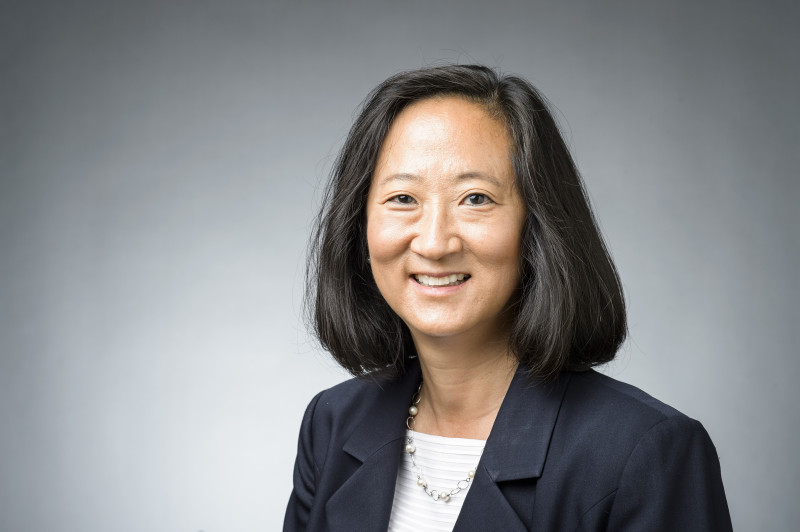
Beyond preserving history, Inoway-Ronnie herself has played a key role in the university’s past three decades — having served for nearly 30 years to support and advise a dozen permanent and interim provosts, including John Wiley, Peter Spear, Gina Sapiro, Pat Farrell, Julie Underwood, Paul DeLuca, Sarah Mangelsdorf, Jim Henderson, Karl Scholz, Diana Hess, Eric Wilcots, Charles Isbell, Jr., and most recently, John Zumbrunnen.
Her final day in Bascom Hall was Aug. 21 as she prepares for retirement.
“Like that time capsule, the generative work that Eden has nurtured and supported through her remarkable ability to ask questions, navigate complexities, and build consensus will persist long into the future,” says Catherine Reiland, assistant vice provost and director of the Wisconsin Idea Seminar and Baldwin Wisconsin Idea Endowment Grant Program. “Her work is a model and inspiration to us all.”
As chief of staff, Inoway-Ronnie was responsible for managing the flow of work through the Provost’s Office, coordinating academic affairs with the chancellor, provost, vice chancellors, deans and shared governance bodies.
She played a key role in initiatives around institutional accreditation, student outcomes assessment, student transfer pathways and grant processes, including the Brittingham Fund and Evjue Foundation grants to UW–Madison, along with the Baldwin Wisconsin Idea Endowment.
She also had a front-row seat on a wide range of the university’s recent history from her first-floor Bascom office — which was always open for support, a consultation or advice. During that time, the university adapted to a wide range of budget battles, political fights and leadership changes.
Under the direction of multiple provosts, the university also grew its research enterprise, built the reputation of its faculty, ascended in rankings and moved forward on key initiatives that improved undergraduate and graduate education, such as the Madison Initiative for Undergraduates.
“Eden is one of the most knowledgeable people on campus about the way the university works,” says Provost John Zumbrunnen. “What’s more important, though, is the compassion, insight, and judgment she brings to bear when she draws on that massive story of institutional knowledge.”
“I know I speak for my predecessors when I say that it is impossible to overstate the impact of Eden’s contributions to our work and our campus,” he adds. “I will miss her kind and wise counsel every day.”
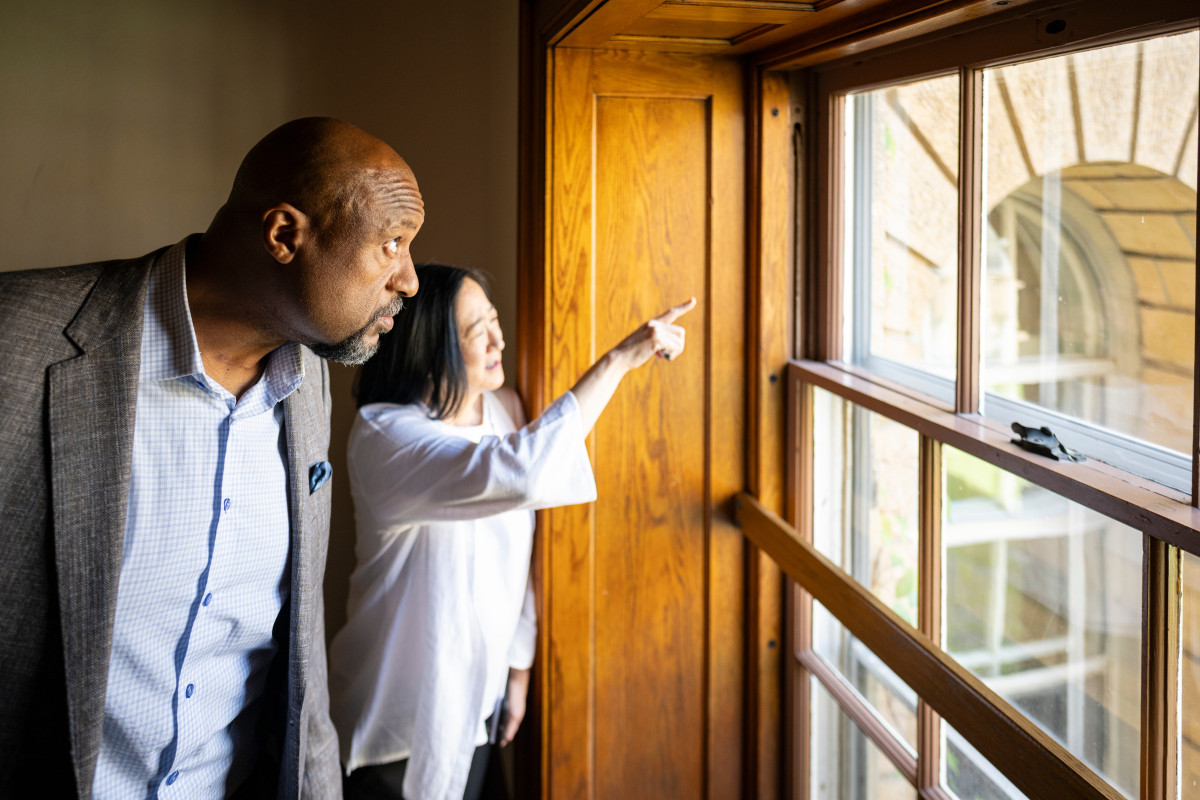
In her own words
Inside UW caught up with her before her last day on Aug. 21 and had a chance to revisit some of her career highlights in her own words.
Q. How has the role of provost and the Provost’s Office changed?
A. Eden Inoway-Ronnie: Each provost has been unique and brought their own expertise to bear on the challenging job of being provost and vice chancellor for academic affairs. All of them have been incredibly hard-working, problem-solvers, and have been interested in process improvement. And they all cared a great deal about students’ educational experiences.
I see the provost’s role as an extremely challenging one because the provost has to mediate conflicts and knotty problems that haven’t been solved at an earlier or lower level — that goes for academic program matters within the university and within the system; policy issues, some of which emerge from legislative actions; and perhaps most challenging, personnel matters such as misconduct cases.
Q. How has the university changed as a whole?
A. The pace of work has certainly increased, particularly with the rise of social media and the use of tech tools. And we’ve all experienced the change in moving from work that was largely paper-based to work that is all digital. Sometimes I fret about record-keeping, but I think we’re all doing the best we can to keep up and adjust.
Q. What are the projects that you feel like had the biggest impact over your time in Bascom?
A. Our institutional reaccreditation process, which occurs every 10 years, provides an opportunity to pull together and highlight examples of our extensive efforts to enhance student learning, support research and scholarship in all of its forms, and engage in outreach in the spirit of the Wisconsin Idea, as well as to look forward to the future.
I served as deputy director of the institutional accreditation effort in 2009. That was a very satisfying experience that gave us the opportunity to engage hundreds of colleagues in discussions about the future of the university, and what faculty and staff thought would help us continue to be a great university.
The cluster hiring and strategic hiring initiatives over the years have required a significant effort on the part of colleagues in the Provost’s Office, and I would like to believe that they’ve had an important impact on faculty hiring.
Q. What have you enjoyed the most? The least?
A. The variety of work has been a highlight, along with the opportunity to work with so many different people over the years. I had the pleasure of being involved in the hiring process and then working closely with the deans and vice provosts over my nearly 25 years in the role, and that has always been very satisfying work.
The most challenging work has been disciplinary matters in situations where whole units (labs, departments) were impacted.
Q. What advice would you give to someone starting out their career in a staff role?
A. Be flexible, but try to keep your priorities in order. Keep confidences. Be curious and learn every day. Be grateful and appreciative when advice is offered. Try to treat everyone respectfully. Remember that most work is a team effort and acknowledging everyone’s contributions matters.