Global radiology partnerships provide critical medical support and shared learning
From Peru to Malaysia, radiology experts and programs from UW–Madison are helping under-resourced communities around the world. For the clinicians involved, the impact is mutual.
Traditional Malaysian artwork hanging on the walls of Jeffrey Kanne’s office nods to his close connection with fellow radiologists who have traveled from far to shadow him.
It also symbolizes the exchange of knowledge that happens between the department and communities around the world.
“There’s a two-way teaching,” says Kanne, professor of radiology at the University of Wisconsin School of Medicine and Public Health. “Malaysian doctors have a lot of experience with things like tuberculosis, which we don’t see a lot of here. Our observers partake in our daily clinical work just by observing, but they also participate in our daily teaching sessions – both providing the teaching but also as a learner.”
Through programs including the department’s Global Health Elective residency rotation, Kanne, who is also chief of the Thoracic Imaging Section in the Department of Radiology, is among UW faculty physicians and trainees who have made a meaningful difference in communities across the globe while gaining valuable perspectives and experiences in return.
From Malaysia to Madison
Over the years, Kanne has welcomed radiologists from Malaysia, Italy and Australia who have traveled to Madison, Wisconsin for a unique opportunity that allows them to observe physicians in a clinical care setting.
One such observer is Raja Adilla, a second-year fellow from Malaysia who arrived in May and will stay with the department through the end of August to experience the variety of patients who are evaluated by UW thoracic imaging radiologists. Thoracic radiology is a medical subspecialty that uses imaging technology to diagnose diseases affecting the chest.
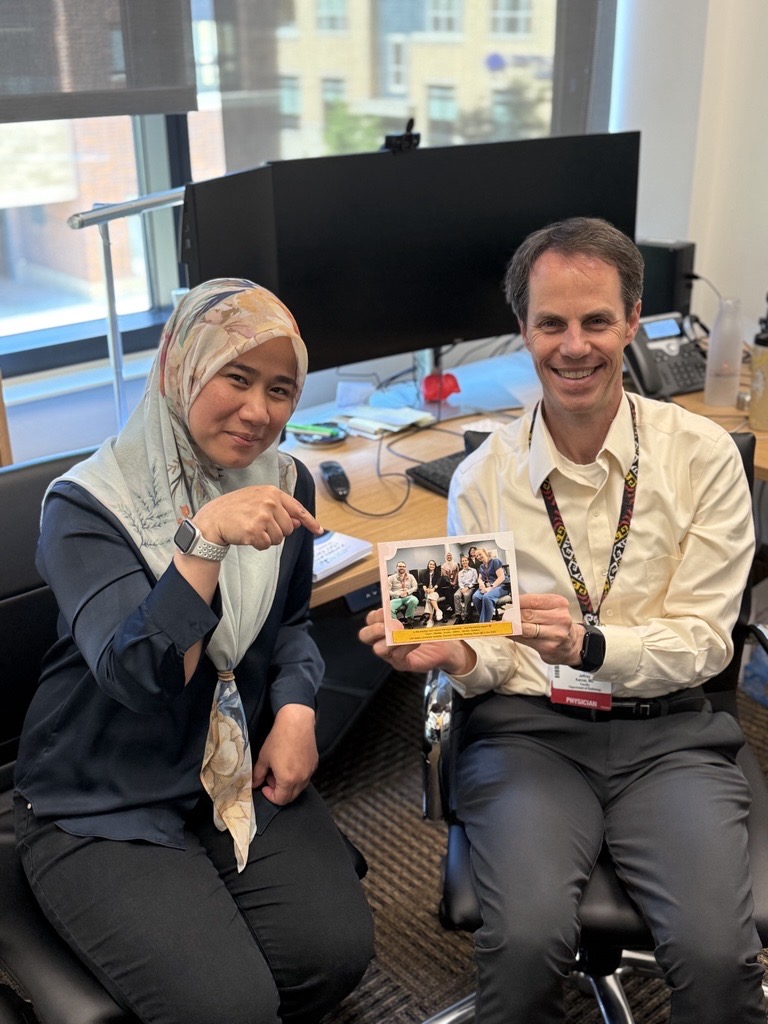
“It’s very good to see the daily work,” says Adilla, explaining similarities and differences in approaches to the diseases he has seen while caring for patients in Malaysia. “There are a lot of things we are not sure about in terms of how to approach patients. Dr. Kanne and the other fellows are very helpful, and I can see how to report and approach things that are quite different.”
Kanne, who has also visited Malaysia twice to lecture, says he enjoys teaching trainees who come from a different background in medicine with varying resources and expertise. These experiences have shown him the importance of considering his perspective as a medical professional from the U.S when giving presentations to an international audience.
“It’s good for our residents to work with somebody who not only has a different experience with disease but also a different teaching style. I think they learn more from each other than from me,” Kanne says.
Helping patients across borders
An associate professor of radiology, Michael Hartung’s medical volunteer experience inspired him to establish the Global Health Elective program, which allows U.S. radiology residents to volunteer their support to underserved communities in Kenya and Peru by helping with CT scans remotely from their home institutions. The collaboration not only supports the universities they are partnering with but also offers residents valuable global health experience.
“By highlighting the similarities, differences and challenges faced in diagnosing and treating patients in such different health care and country settings, we hoped to foster cross-border discussions and, ultimately, stimulate interest and research in global health radiology programs,” Hartung wrote in the RSNA 2022 Daily Bulletin.
Through the elective program, residents spend one to two weeks providing virtual consultations on CT scans that are captured at the Tenwek Hospital in Bomet, Kenya and the Diospi-Suyana Hospital in Curahausi, Peru. There are also opportunities for quality improvement projects, education, research, and supporting local tumor boards — all without needing to pack a bag.
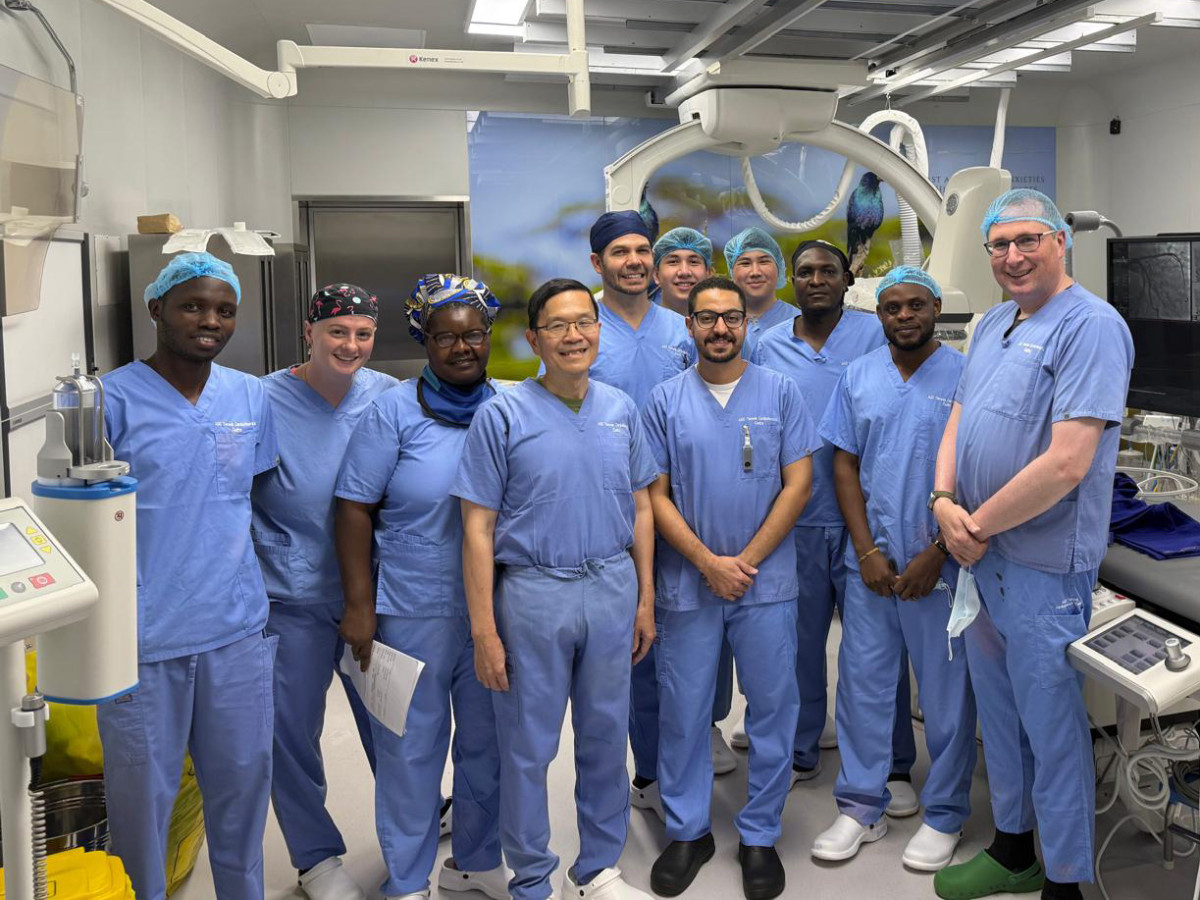
The program has also inspired Hartung’s colleagues. In 2022, Richard Bruce, professor of radiology and vice chair for informatics in the radiology department, learned of a significant opportunity for improving documentation efficiency at Tenwek Hospital. Radiologists there were typing their reports, converting them to a PDF format and then manually attaching reports to each exam. Bruce contributed expertise in redesigning radiology workflows to support the doctors in Kenya.
He connected the hospital with his collaborators at Microsoft, who agreed to donate a license to a speech recognition and radiology reporting platform called PowerScribe. Bruce traveled with his family to Kenya to implement the system, assisting with the hospital’s catheterization laboratory workflows and Picture Archiving and Communication System (PACS) connectivity.
“We enabled digital imaging workflows just in time for the first STEMI, which is a very serious type of heart attack, treated in the cath lab at Tenwek,” Bruce said. “My own personal experience at Tenwek has given me a new perspective on global healthcare and the impact that radiology can have.”