With a focus on the Great Lakes, UW faculty and staff reflect on the Wisconsin Idea
This year’s Wisconsin Idea Seminar highlighted the ancient waterways of Wisconsin and how they continue to sustain life and community across the state.
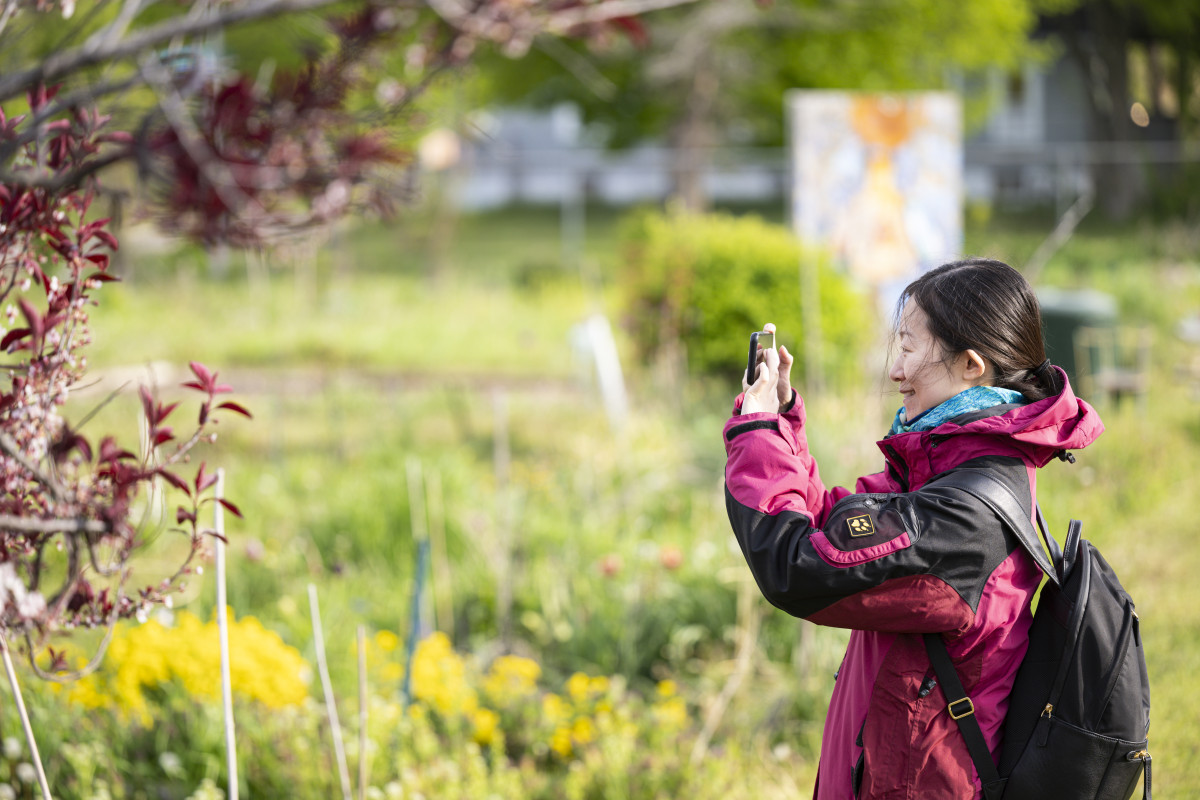
In May, the 2026 Wisconsin Idea Seminar set off on a journey to follow a 900-mile circular path around Wisconsin focusing on the state’s great waterways. Three dozen University of Wisconsin—Madison faculty and staff, many of them new to campus, were on a mission: to meet fellow Wisconsinites in communities along the route and hear about their perspectives on the places that hold deep meaning to them.
More than 40 years ago, the Wisconsin Idea Seminar emerged out of the commitment to introduce UW—Madison faculty and staff to the people and places of Wisconsin with the goal of seeing how the Wisconsin Idea mobilizes collaborations across the state. Since then, the seminar has crisscrossed rivers, forests, rolling hills and prairies, creating an opportunity to reflect on the Wisconsin Idea and inviting those new to the state to extend their roots here.
More than 1,300 faculty and staff have participated in this five-day experience to focus on the social and cultural contexts that shape the lives of Wisconsinites, including current and future UW students. Seminar participants see firsthand the ways that the university’s work can be brought to life by respect, reciprocity and responsibility to the state’s people, land and water.
Throughout this year’s route, themed the Big Lake Journey, participants considered how the state is shaped by the Great Lakes and how people collaborate to care for the waters that define Wisconsin.
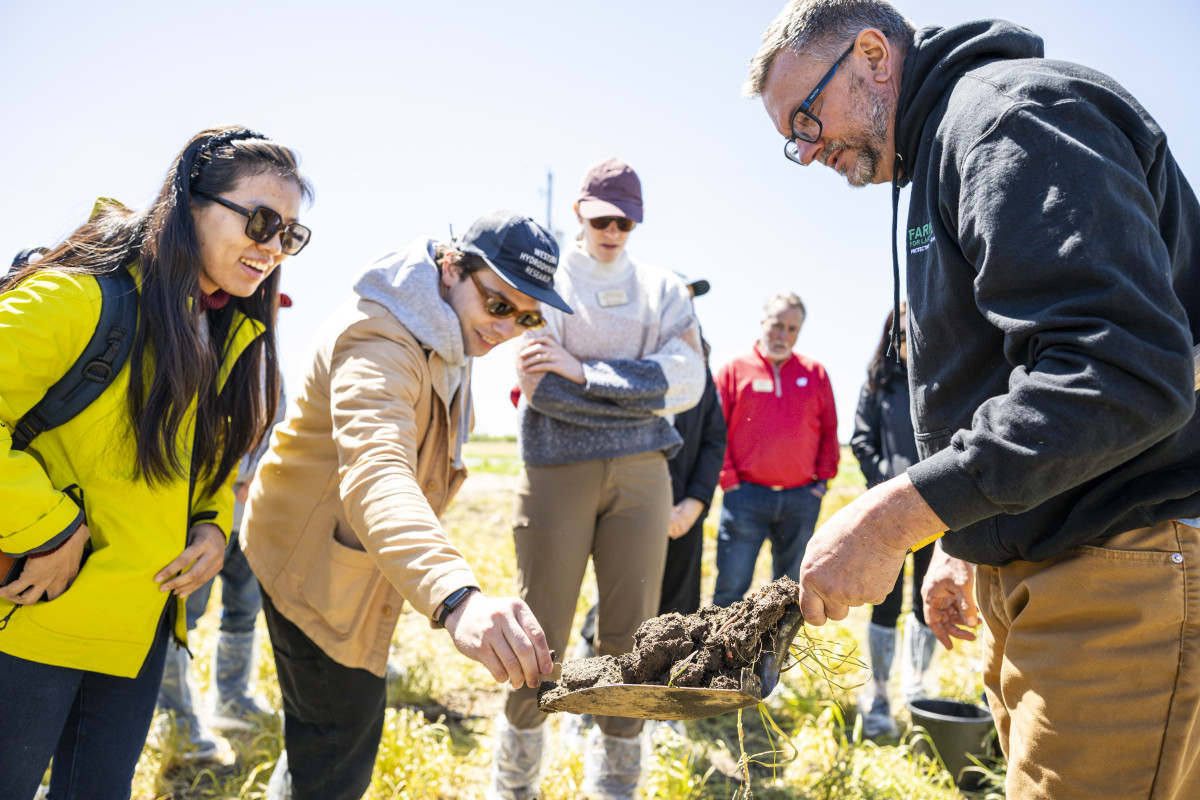
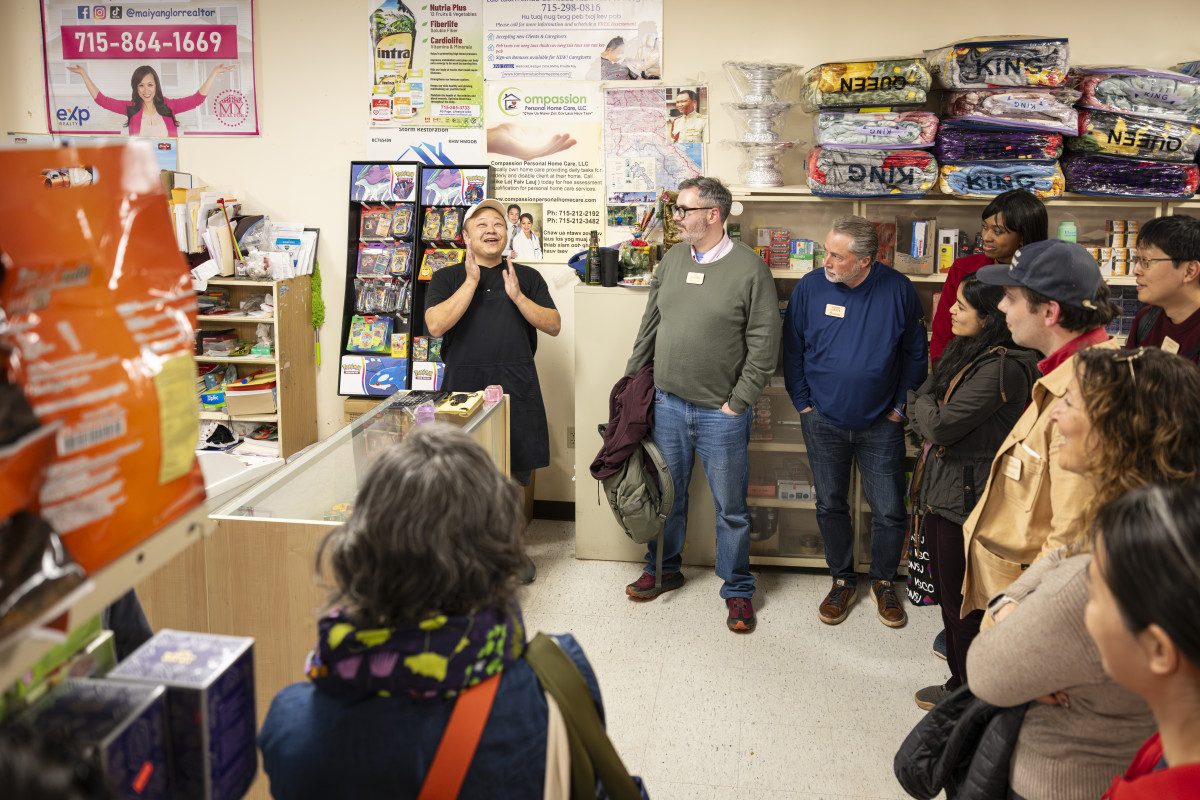
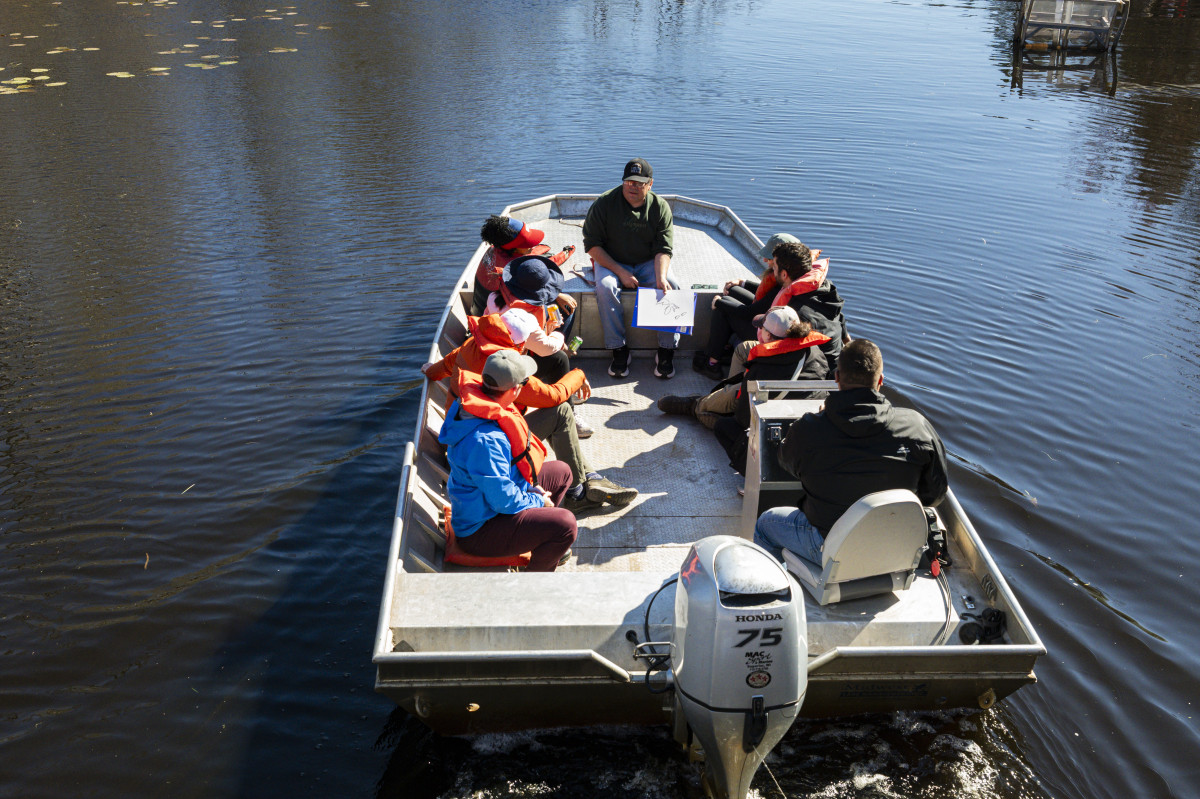
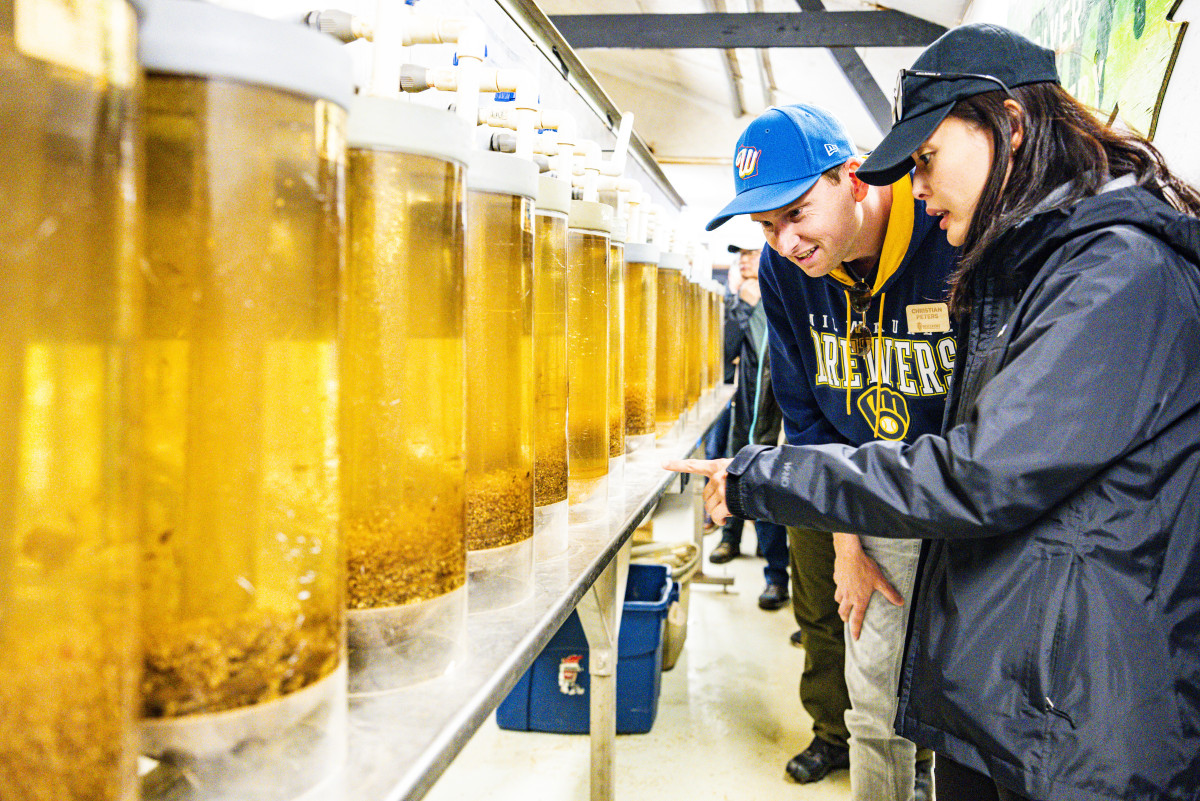
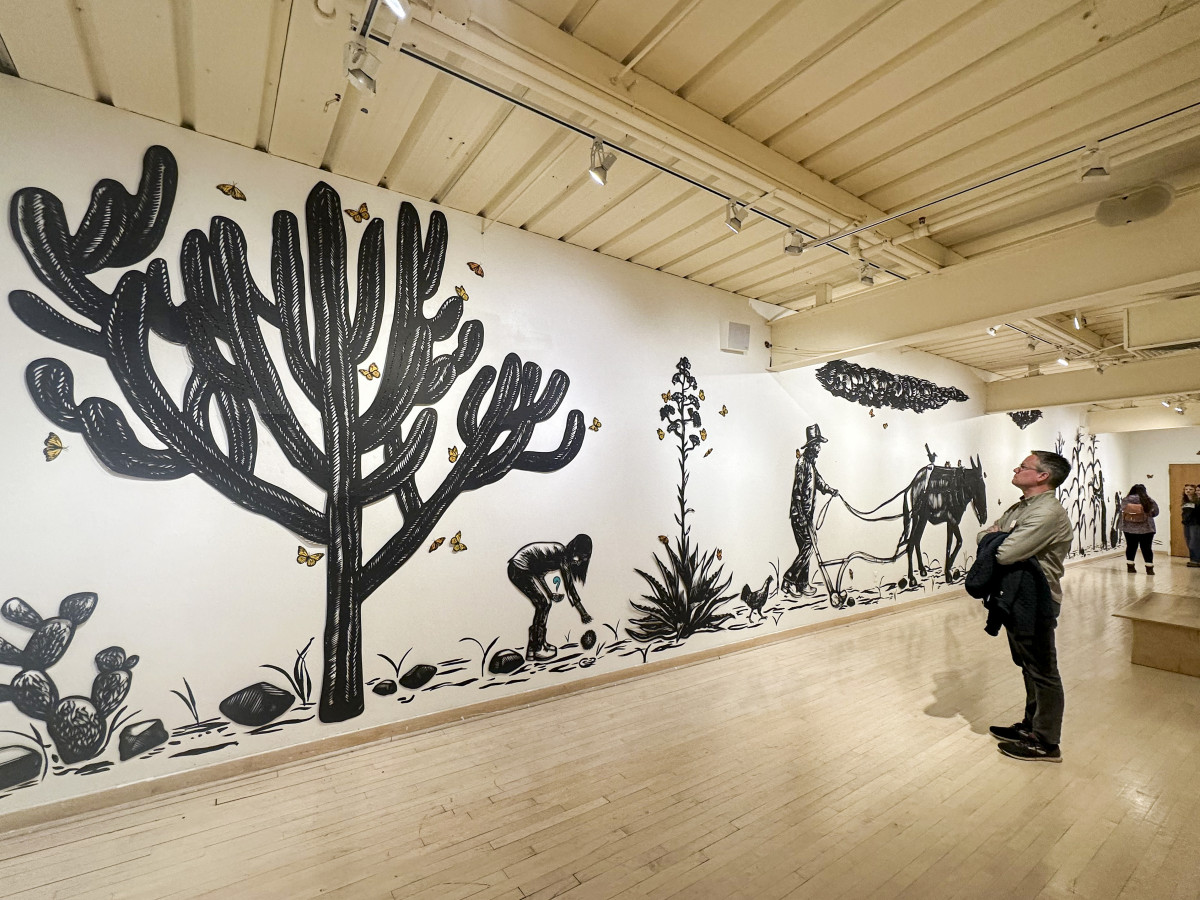
This year’s tour took faculty and staff to Koepke Farms in Waukesha County to hear about collaborative sustainability efforts between farmers, watershed managers, conservancies and residents. In Wausau, Hmong farmers at GreenGold Gardens shared their commitment to cultivate produce that nourishes local communities. And the tribal enterprises of Red Cliff Fishing Company and the Red Cliff Mino Bimaadiziiwin Farm discussed how they are helping to meet food sovereignty goals and to feed communities near and far. Additional stops also included a tour of the Kakagon-Bad River Sloughs and a lively performance by Milwaukee’s United Community Center’s Latino Arts Strings Program.
On the final day of the trip, UW–Stevens Point’s College of Natural Resources hosted the seminar and led a roundtable conversation about how the Wisconsin Idea informs their community engagement and the nationally recognized excellence in preparing the next generation of natural resource stewards.
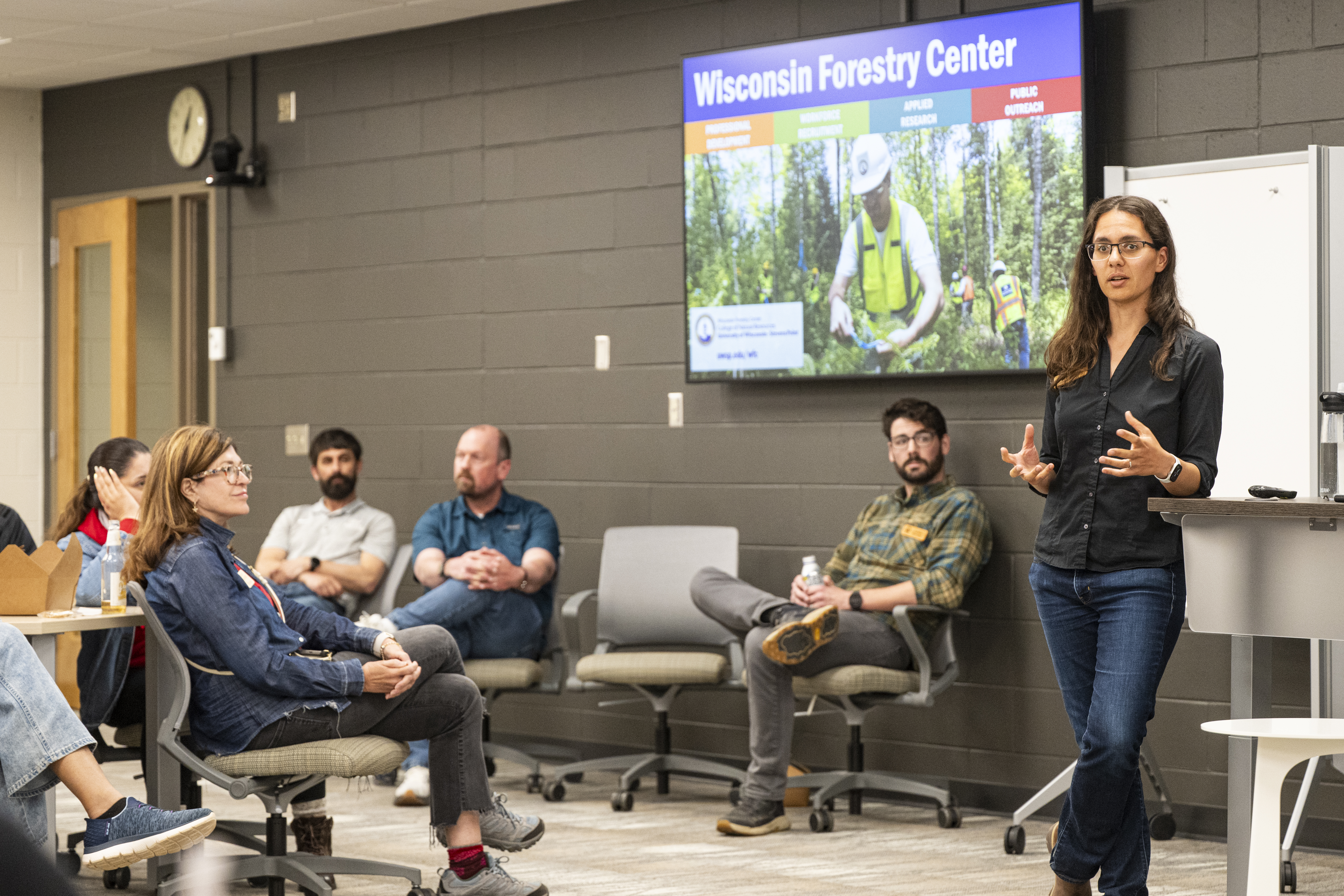
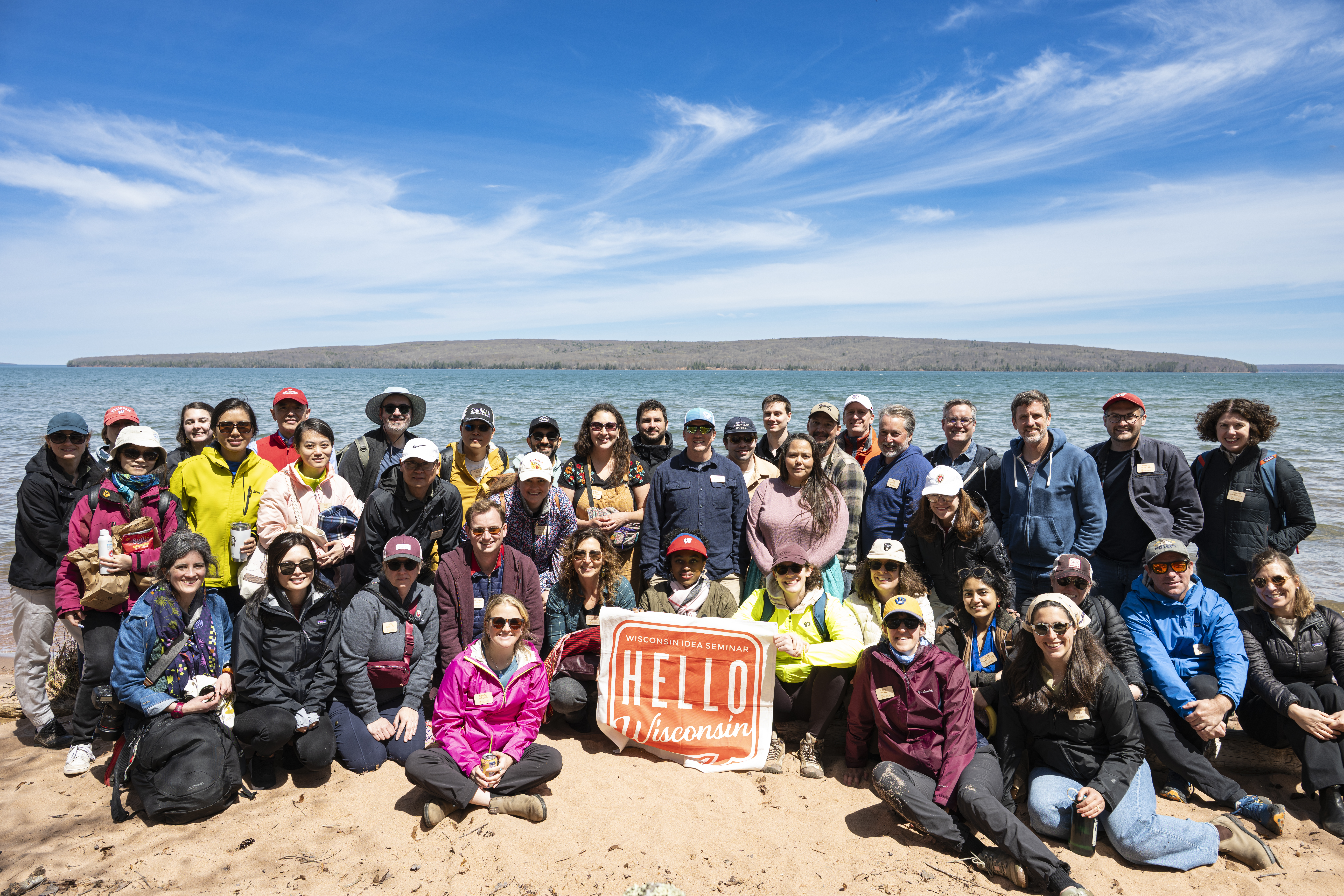
UW–Madison alumni were present at nearly every stop, showcasing their commitment to service and strengthening relations between the university and their local communities to advance research, entrepreneurship and collaborations that are guided by community priorities.
Seminar travelers representing about 20 different divisions, schools and colleges with distinct academic and research interests, returned to campus with new ideas and collaborations to inspire their academic, creative and personal endeavors.